
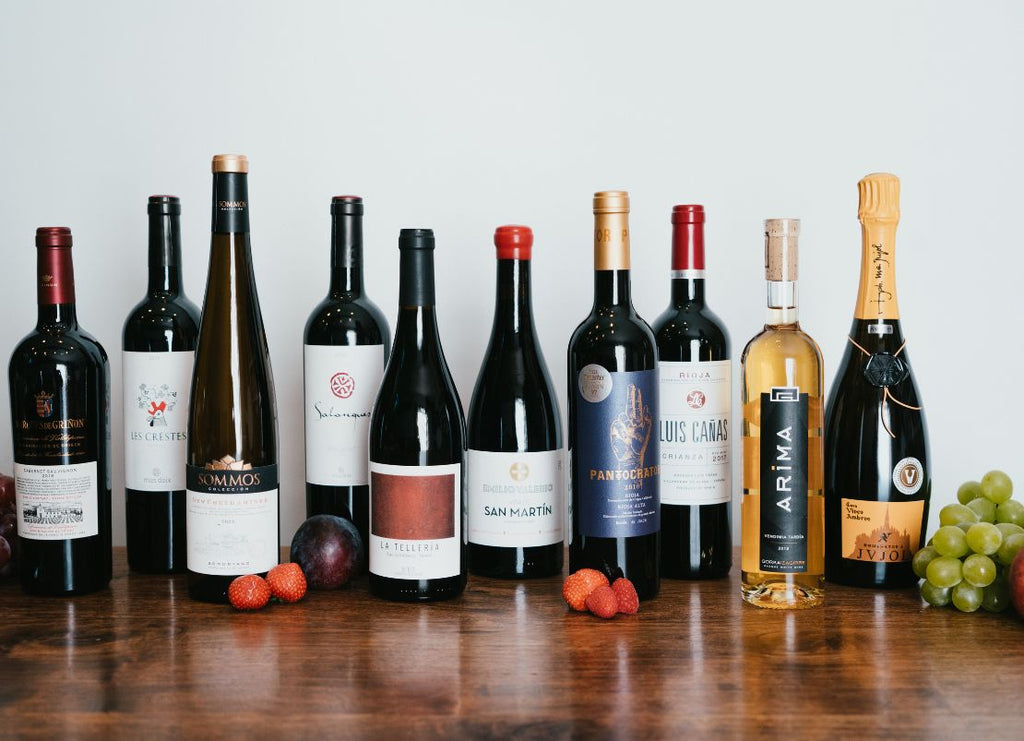
The Best Corporate Wine Gifts — And Why the Story Matters
There is a category of corporate gift that everyone has received and nobody remembers. A bottle of something widely available, in a branded box, with a card that has the sender's logo printed where a personal message might have been. It arrives. It gets placed on the kitchen counter. It gets opened eventually, sometimes weeks later, sometimes not at all.
Nobody mentions it at dinner.
Then there is a different category. A bottle that arrives with a story attached — where it came from, who made it, why it is unusual. A wine that the recipient has never encountered before, from a producer they didn't know existed, carrying a history that is genuinely worth knowing. That bottle gets opened carefully. It gets mentioned to a spouse, a colleague, a friend who is coming over. It becomes, briefly but meaningfully, a topic of conversation.
That is the difference between corporate wine gifting done adequately and corporate wine gifting done well. The distinction is not primarily about price. It is about whether the gift carries anything worth carrying.
The best corporate wine gift is not the most expensive bottle. It is the bottle with the best story. Stories travel further than labels.
Why most corporate wine gifts fail
The failure mode of corporate wine gifting is almost always the same: the person tasked with sourcing the gifts goes to a recognisable retailer, selects something from the top of the bestseller list, and places an order. The logic is impeccable — it is fast, it is defensible, and the wines are reliably good.
The problem is that everyone else's Office Manager has done exactly the same thing. The recipient, particularly if they work in a sector where gifting is common — financial services, consulting, real estate, law — has received the same bottle, from a different company, with a different logo on the card, multiple times. The gift communicates efficiency. It communicates that someone remembered to send something. It does not communicate that the sender thought about the recipient specifically.
There is a related problem with generic wine gifting that is less discussed but equally important: it excludes a significant portion of recipients. Between 15% and 25% of any professional group does not drink alcohol — for reasons of health, religion, pregnancy, sobriety, or simple personal preference. A corporate wine gift sent without consideration for this reality is, for those recipients, not a gift at all. It is a demonstration that the sender did not think about them.
Both problems have the same solution: think more carefully, not spend more money.
What makes a corporate wine gift worth remembering
The wines in the Dis&Dis collection were not selected for their price points or their label recognition. They were selected because every one of them has something genuinely worth knowing.
J. Chivite has been making wine in Navarra since 1647. That is not a marketing claim — it is a documented family history spanning nearly four centuries of continuous winemaking on the same land. When a bottle of Chivite arrives on a client's desk with a card that explains this, the wine becomes a small act of education as well as a gift. The recipient learns something they did not know. That is memorable in a way that a bottle of well-known Rioja is not.
Llopart, in Sant Sadurní d'Anoia, has been documented on the same estate since 1385. They produce Cava — the Spanish sparkling wine made by the same method as Champagne, in the same area of Catalonia where the method was developed. Their Gran Reserva expressions are aged for between four and thirteen years in the bottle before release. The wine that arrives in a client's hands has been in a cellar for the better part of a decade. That is a story worth telling.
The Maturana Tinta, made by Juan Carlos Sancha from a grape variety that essentially ceased to exist in commercial production until he found the last surviving plants in abandoned Riojan vineyards — this is a bottle that a serious wine drinker will receive with genuine surprise. It grows nowhere else on earth in commercial quantities. Receiving a bottle of it is, for the right recipient, a discovery.
Shop the corporate wine gifting collection at disndis.com →
J. Chivite has been making wine in the same Navarra valley since 1647. The bottle arrives with nearly four centuries of history attached to it. That is not a marketing claim. That is the gift.
The price question — what to spend and why
The question of how much to spend on a corporate wine gift is less straightforward than it appears, because the relationship between price and memorability in wine is not linear.
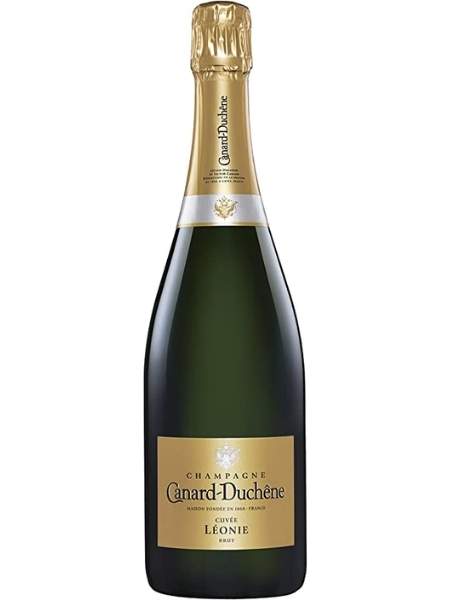
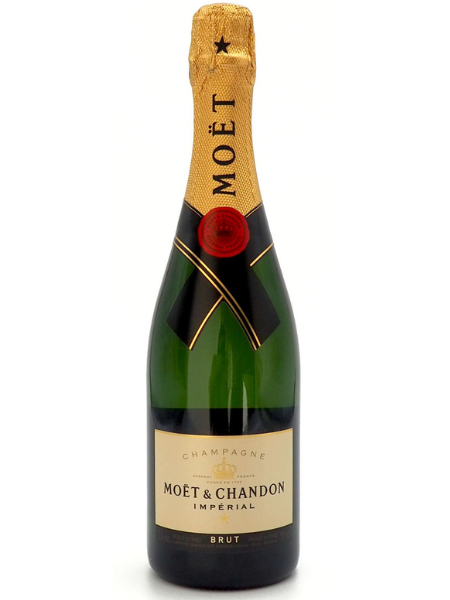
A well-known Champagne at €60 communicates generosity and is immediately recognisable. It will be appreciated. It will also be indistinguishable, in the recipient's mind, from the same bottle received from three other senders over the course of a year. The story it carries is the brand story of the Champagne house — which the recipient already knows, or doesn't care about.
A carefully chosen Spanish red at €25 from a producer making wine since 1647, with a gift card that explains the provenance, will be remembered specifically. Not because it is a better wine — though it may well be — but because it arrives with something the recipient did not already have.
Our recommendation for corporate gifting by budget:
Under €20 per bottle: the Dis&Dis collection contains award-winning wines at this price point — 97 points Decanter Best in Show at €22, 93 points Wine Spectator at €21. These are the bottles that arrive and prompt the question: how is this not more expensive? That question is itself a conversation starter.
€20–€40 per bottle: the sweet spot for most corporate gifting. Heritage producers, rare varieties, Gran Reserva Cavas with significant ageing. Enough weight to feel considered; enough restraint to not feel excessive.
€40–€80 per bottle: fine wine territory. Significant Rioja and Ribera del Duero, aged expressions, the Bernard Magrez range across four continents. For clients and relationships where the gift needs to signal something more substantial.
€80+: Champagne, vintage expressions, cellaring wines. For the highest-value relationships and the occasions that require it.
The most important principle: whatever the budget, choose a wine with a story. A €15 bottle from a producer making wine since 1777 is a better corporate gift than a €50 bottle with nothing to say for itself.
The inclusion question — what to do about recipients who don't drink
This is the question that corporate gifting programmes consistently fail to address adequately, and the gap between adequate and thoughtful here is small but significant.
The standard response to non-drinking recipients is either to send them the same wine anyway (implying the sender did not consider whether they drink), to send them nothing (implying they are an afterthought), or to send them a box of chocolates (implying they are a category rather than a person).
The better response is to include them in the wine gifting programme with the same quality standard as everyone else — which is now possible in a way it was not five years ago.
The alcohol-free wines in our collection are not de-alcoholised grape juice. They are wines made by serious producers using the same methods, the same vineyards, and the same craft as their conventional counterparts. Several of them carry international competition medals awarded by the same judges who score conventional wine. The London Wine Competition gave 96 points to one bottle in our AF collection. Falstaff gave 90 points to another. Mundus Vini awarded gold medals to three in consecutive years.
A non-drinking recipient who receives a properly curated award-winning AF wine, presented with the same care and story as the conventional wines sent to their drinking colleagues, receives something genuinely remarkable: the experience of being included rather than accommodated. That distinction is felt, even if it is rarely articulated.
Our recommendation: for any corporate gifting programme of ten or more recipients, build in AF options as a standard component rather than an afterthought. Ask about dietary and drinking preferences at the point of ordering, not as an awkward addendum but as a routine part of the curation process. The AF wines we carry will not disappoint anyone who receives them.
Include award-winning alcohol-free wines in your corporate order →
The non-drinking recipient who receives a properly curated award-winning AF wine receives something remarkable: the experience of being included rather than accommodated.
Branded gift notes — how to write one worth reading
The gift note is where most corporate gifting squanders the opportunity the wine has created.
A branded gift note with the company logo, a generic seasonal message, and a signature is a missed opportunity. It turns a curated, story-bearing bottle into a branded marketing item. The story of the wine disappears behind the logo.
The alternative is straightforward: write a gift note that tells the story of the specific bottle. One or two sentences. Not the wine's tasting notes — the human story. The producer, the vintage, the fact that distinguishes this bottle from any other.
Examples that work:
'This Cava has been ageing in the same cellar since 2019. The estate that made it has been documented on this land since 1385. We hope it is as remarkable to open as it was to find. With thanks for another year of excellent work together.'
'This wine is made from a grape that almost disappeared entirely from Spain in the 20th century. Juan Carlos Sancha spent years finding the last surviving plants. The result is a Rioja unlike any other. We thought you might enjoy discovering it.'
'No alcohol. No compromise. This wine won 96 points at the London Wine Competition — judged by the same panel that reviews conventional wine. We wanted to make sure every member of the team received something genuinely worth drinking this year.'
Each of these notes takes the wine's story and makes it personal to the sender's relationship with the recipient. The recipient learns something. The sender has demonstrated that they chose this bottle specifically, not generically. That is the work a good gift note should do.
We include a branded gift note with every corporate order. For orders of 20 or more, we can work with your team to write notes tailored to specific recipients or relationship types.
The timing question — when to send, and how far ahead to plan
Corporate wine gifting has two distinct peaks: Q4 (November–December for Christmas) and the shoulder seasons around significant business milestones — end of financial year, project completions, new business wins, onboarding key hires.
The Q4 peak creates the most pressure and the most mediocrity. Everyone orders at the same time. Generic options sell out. Delivery windows compress. The result is that gifts sent in December often arrive late, from a reduced selection, with less care than their senders intended.
The solution is to plan earlier than feels necessary. For December delivery in Europe, the ideal order window is October. For the US and UK, early November is workable but October remains preferable. For international orders involving multiple destinations, add two weeks to every timeline.
For shoulder season gifting — which is significantly more effective precisely because it is not expected — the planning burden is lower. A well-timed bottle arriving in March, after a project closes successfully, is noticed and remembered in a way that a December gift never quite is. The recipient is not processing six other gifts at the same time. The bottle arrives in a clear space and receives its full attention.
Our bespoke corporate gifting service operates year-round. For standard orders we ship within 2–3 business days. For bespoke curation with branded gift notes and coordinated bulk delivery, contact us at least 7–10 working days before your required delivery date.
How to work with us on corporate wine gifting
The process is designed to be as simple as possible for the person managing it — typically an Office Manager, an EA, or a Head of HR who has a clear brief, a fixed budget, and limited time to spend on the details.
You tell us: the number of recipients, the budget per bottle, the delivery address or addresses, whether you need AF options included, and any relevant context about the occasion or the recipients. We come back within 48 hours with a curated proposal — typically four to six wines, each with its story, priced per bottle, with quantities and delivery options specified.
You approve, place the order, and we handle the rest. Branded gift notes are included. For large or complex orders — multiple delivery addresses, international destinations, mixed conventional and AF selections — we coordinate the logistics directly.
We do not send generic catalogues or require you to browse a product list. The curation is the service.
We do not send generic catalogues. The curation is the service. Tell us the brief and we will find the bottles.
Request your corporate wine gifting proposal at disndis.com
We respond within 48 hours. No obligation.
Related reading: Award-Winning Wines | Alcohol-Free Wine Gifts | How to Choose Wedding Wine | The Grapes That Almost Disappeared
Written by the Dis&Dis editorial team · May 2026 · The Discovery Files
Related post
16
Sep