
Malbec and Carménère: The Grapes That Found Themselves in South America
Some grapes are native to where they're famous. Nebbiolo belongs to Piedmont. Tempranillo belongs to Spain. The story of Malbec and Carménère is different — and considerably stranger. Both are originally French, both were devastated by the 19th-century phylloxera epidemic that swept through European vineyards, and both survived not in France but in South America, where they were replanted before the epidemic arrived and then largely forgotten about by the Old World for the better part of a century.
What the Old World forgot, Argentina and Chile quietly turned into something remarkable.
Malbec: The Grape France Lost and Argentina Claimed
Malbec originated in the Cahors appellation of southwest France — the same region where it's still grown today as the dominant grape, called Côt or Auxerrois locally, producing the dark, structured wines that have defined the appellation for centuries. In the 19th century it was also widely planted in Bordeaux, where it contributed colour and richness to the classic left bank blends alongside Cabernet Sauvignon and Merlot.
Then phylloxera arrived. The louse swept through French vineyards in the 1870s and 1880s, destroying root systems across the country. When French growers replanted, they made choices based on commercial pragmatism — varieties that were easier to grow, more resistant, more reliably productive. Malbec, with its tendency toward irregular yields and susceptibility to frost, was gradually sidelined. In Bordeaux it almost disappeared entirely. Today it represents a tiny fraction of the vineyard, a supporting player rather than a protagonist.
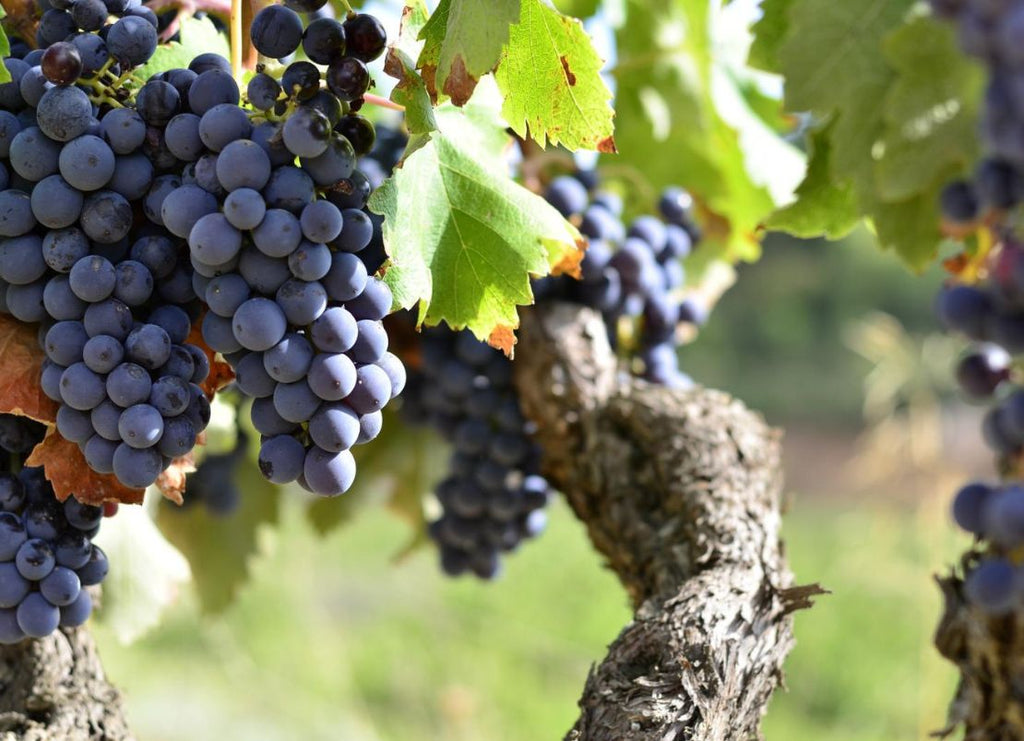
Meanwhile, in Argentina, Malbec was thriving. The grape had been imported to Mendoza in the 1850s — before phylloxera reached Europe — by a French agronomist named Michel Pouget, who was commissioned by the Argentine government to modernise the country's viticulture. Planted in the Andes foothills at altitudes between 600 and 1,500 metres, Malbec discovered something unexpected: it performed better there than it ever had in France. The combination of intense mountain sunlight, dramatic temperature swings between day and night, low humidity, and mineral-rich soils transformed the variety into something more concentrated, more aromatic, and more consistently excellent than its European ancestor had ever managed.
Argentina didn't fully realise what it had until the 1990s, when the first serious export-quality Malbecs began reaching international markets. Within two decades, it had become the country's defining wine and one of the most recognised grape varieties in the world.
What Argentine Malbec Actually Tastes Like
The altitude is everything. Valle de Uco, where our Doña Paula Estate Malbec 2020 is grown, sits at over 1,000 metres in the Andes foothills — high enough that the temperature difference between midday and midnight during the growing season can reach 20°C. That thermal variation is the key to what makes high-altitude Argentine Malbec distinctive: the heat of the day builds sugar and fruit concentration while the cold nights preserve the natural acidity that keeps the wine fresh and alive rather than simply dense.
Doña Paula was founded in 1997 as a fully estate-grown winery — every grape that enters their cellar is grown in their own vineyards, which is a meaningful claim in a region where many producers buy fruit from multiple sources. The grapes are hand-picked in the first week of April (harvest in the southern hemisphere falls in autumn), cold macerated to preserve primary aromatics, then aged for 12 months in a graduated combination of first, second, and third-use French oak barrels — a deliberate choice that builds complexity and structure without imposing the heavy vanilla character that new oak can dominate.
The result: deep ruby with violet edges, dark plum and blackberry on the nose, a hint of violet flower that is the variety's signature aromatic, and a palate that opens with generous fruit before resolving into fine, mineral tannins and a clean, persistent finish. This is what Malbec looks like when it's treated as a serious wine rather than a bulk commodity.
Carménère: The Grape That Was Presumed Extinct
The Carménère story is even stranger than Malbec's. The variety was one of the original six permitted in Bordeaux's left bank blends — alongside Cabernet Sauvignon, Merlot, Cabernet Franc, Malbec, and Petit Verdot — and was widely planted in the Médoc before phylloxera. When the epidemic arrived, Carménère's extreme sensitivity to the louse meant it was almost completely destroyed. French growers simply stopped replanting it. By the early 20th century, Carménère had effectively disappeared from France.
The variety had been exported to Chile before phylloxera reached Europe, where it was planted extensively through the mid-19th century. But here's where the story takes an unlikely turn: Chilean growers thought they were growing Merlot. Carménère's leaves and clusters looked similar enough to Merlot that nobody questioned the identification for over a century. Chilean "Merlot" was the country's most planted red variety, and nobody — not the growers, not the exporters, not the importers — suspected it wasn't what it claimed to be.
In 1994, a French ampelographer named Jean-Michel Boursiquot visited Chilean vineyards and made the identification official: most of what Chile had been selling as Merlot for decades was actually Carménère. The discovery was both embarrassing and extraordinary — an entire country's wine identity was built on a mistaken attribution, and simultaneously, the variety that France had thought extinct for over a century had been quietly thriving on the other side of the world.
Chile immediately began rebranding. By the early 2000s, Carménère had been declared Chile's signature grape variety — not Cabernet Sauvignon, not Merlot, but the variety France had lost and Chile had accidentally preserved.
What Chilean Carménère Tastes Like
Carménère is a late-ripening variety that requires a long, warm growing season to achieve full phenolic maturity. In Chile's Central Valley, where it grows between the Andes to the east and the Coastal Range to the west, it finds exactly that — warm days moderated by Pacific influence, with just enough thermal variation to preserve freshness.
Our Leyenda Casa Magrez 2017 is made from 100% Carménère from Chile's Central Valley, under Bernard Magrez's international winemaking philosophy. Ruby red on pour, with ripe blackberry and a distinctive hint of spice on the nose — that spice note is the variety's characteristic green-herbal edge, which well-made Carménère channels into complexity rather than allowing it to dominate. On the palate, juicy and silky, with a structure that reflects the variety's Bordeaux origins without the weight or austerity of an Old World wine at the same price point.
The Andes Connection: Why South American Wine Is Not a Compromise
The critical shift in how serious wine buyers think about Argentina and Chile happened sometime in the 2000s, when it became clear that altitude was not just a geographic detail but a genuine quality driver. High-altitude viticulture produces thicker grape skins — more colour, more tannin, more aromatic intensity — along with lower natural sugar accumulation compared to hot, low-altitude sites, meaning better-balanced wines with lower alcohol and more freshness.
Both Valle de Uco in Argentina and Chile's Central Valley and coastal appellations have refined this understanding into a winemaking philosophy. The best bottles from both countries are not approximations of European style — they're expressions of what their own terroir actually produces, which in the case of Malbec and Carménère is something neither France nor anywhere else in the Old World can replicate.
What to Eat With Them
Argentine Malbec was built for the asado — Argentina's grilling tradition, where beef cooked over open flame is as central to the culture as wine itself. The tannins cut through fat, the fruit complements char, and the general generosity of the wine mirrors the generosity of the food. Beyond asado: slow-roasted lamb, mushroom-based dishes, and aged hard cheeses.
Chilean Carménère pairs naturally with the spiced, herb-forward cuisine of South America — empanadas, chimichurri-dressed meats, dishes with cumin and paprika — as well as the kind of duck, game, and lamb dishes where its Old World Bordeaux ancestry becomes recognisable. It handles spiced food better than most French red varieties, which makes it more versatile on the dinner table than its origins might suggest.
Frequently Asked Questions
Is Malbec originally from Argentina? No — Malbec is originally from France, where it remains the dominant grape of the Cahors appellation. It was imported to Argentina in the 1850s and has since found its finest expression in the high-altitude vineyards of Mendoza and the Valle de Uco.
What is Carménère? A red grape variety originally from Bordeaux, France, presumed extinct after phylloxera destroyed most European plantings in the late 19th century, and rediscovered in Chilean vineyards in 1994 — where it had been growing unidentified as Merlot for over a century.
Is Chilean Carménère similar to Bordeaux wine? It shares the variety's Old World origins and has a structural elegance that reflects its Bordeaux heritage, but Chilean Carménère is distinctly its own style — fruit-forward, juicy, and less austere than its French ancestor.
What altitude are the best Malbec vineyards in Argentina? The finest Argentine Malbec typically comes from vineyards at 800 to 1,500 metres in the Andes foothills, where the combination of intense sunlight, cold nights, and mineral soils produces wines of exceptional concentration and freshness.
Discover Doña Paula Estate Malbec 2020 → [https://disndis.com/products/dona-paula-estate-malbec-2020]
You might also like: [Leyenda Casa Magrez Carménère 2017] · [Aries Red Malbec 2020] · [La Bienvenida Malbec 2018]
Related post
16
Sep