
Non-Alcoholic Chardonnay: What Happens to Chardonnay When the Alcohol Is Removed?
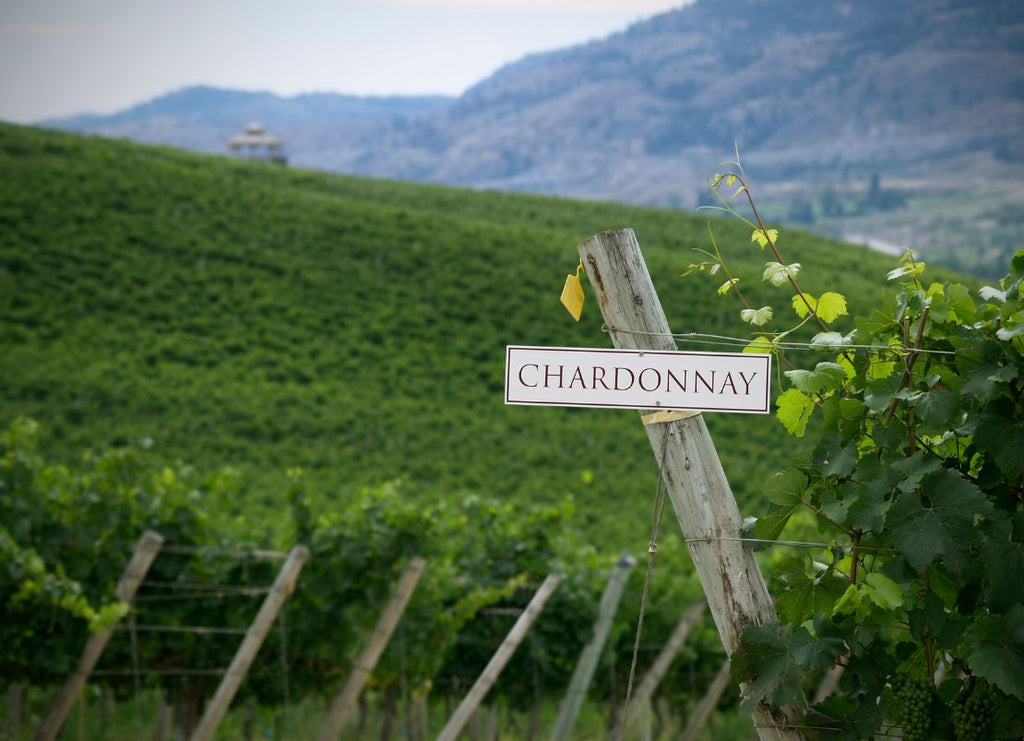
Chardonnay is one of the world's most famous white wine grapes, yet it can also be one of the most misunderstood. Ask several wine drinkers what Chardonnay tastes like and you may hear completely different answers: citrus and green apple from one person, ripe peach and tropical fruit from another, followed by butter, toast or vanilla from someone accustomed to richer styles. All of those descriptions can make sense because Chardonnay is a remarkably adaptable grape whose final character is strongly influenced by climate, vineyard and winemaking.
That adaptability makes Chardonnay particularly interesting when alcohol is removed. Unlike an intensely aromatic variety such as Sauvignon Blanc, Chardonnay often depends on the relationship between fruit, acidity, texture and winemaking to create its personality. Dealcoholization changes that relationship because alcohol contributes body and weight, meaning the producer has to preserve enough texture, freshness and flavour for the finished wine to remain balanced.
For Chardonnay drinkers considering alcohol-free wine, the important question is therefore not simply whether Chardonnay can exist at 0%. A more interesting question is which parts of Chardonnay survive dealcoholization, and which parts have to be rebuilt through careful winemaking? Understanding that requires going back to the grape itself.
Chardonnay began in Burgundy, but it belongs to the world now
Chardonnay's historic home is Burgundy in eastern France, where the grape produces some of the world's most celebrated white wines. From Chablis in the north through the Côte de Beaune and further south into the Mâconnais, Chardonnay demonstrates an extraordinary ability to produce different styles while remaining the same grape variety. Climate, soil, vineyard position and winemaking can all influence what eventually appears in the glass.
The grape's history is also connected genetically to Pinot Noir and Gouais Blanc, which research has identified as Chardonnay's parents. That parentage places Chardonnay within an important family of European grape varieties and helps explain its deep historical roots in France. Its modern importance, however, extends far beyond Burgundy.
Today Chardonnay is grown throughout Europe as well as in the United States, Australia, New Zealand, South Africa, South America and many other wine regions. Its ability to adapt to different climates and winemaking approaches helped turn it into an international variety, but that success also created an enormous range of styles. There is no single flavour that defines every Chardonnay.
Chardonnay is sometimes called a winemaker's grape for a reason
Some grape varieties arrive in the winery with extremely distinctive aromatic personalities. Sauvignon Blanc can bring pronounced herbaceous, citrus and tropical characteristics, while Riesling can be intensely aromatic even when winemaking intervention is relatively restrained. Chardonnay is generally less overtly aromatic, which gives the winemaker considerable influence over the finished style.
Fermentation vessel is one of those decisions. Chardonnay fermented and matured primarily in stainless steel can retain a fresher, more fruit-driven expression, whereas fermentation or maturation in oak can introduce additional texture and flavours associated with toast, spice or vanilla. The type of oak, age of the barrel and length of maturation all affect how noticeable that influence becomes.
Lees ageing can create another dimension. After fermentation, wine can remain in contact with spent yeast cells known as lees, and this contact can contribute texture and more complex savoury or bakery-like characteristics. When people talk about Chardonnay being creamy or broad, they may therefore be describing the consequences of winemaking as much as the intrinsic flavour of the grape.
Where does the buttery taste in some Chardonnay come from?
One of the most famous descriptions associated with Chardonnay is “buttery”, but Chardonnay grapes do not simply grow on the vine tasting like butter. The characteristic is closely associated with malolactic fermentation, more accurately called malolactic conversion, during which bacteria convert sharper malic acid into softer lactic acid. One of the compounds that can be produced during this process is diacetyl, which is associated with buttery aromas.
Winemakers can encourage, limit or prevent malolactic conversion depending on the style they want to create. A Chardonnay intended to be crisp and fresh may retain more of its original malic acidity, while another producer may use malolactic conversion to create a softer and rounder wine. This is one reason two Chardonnays can taste dramatically different despite being made from exactly the same grape.
This becomes highly relevant in alcohol-free Chardonnay because texture is already one of the major challenges created by dealcoholization. The producer has to consider how acidity, lees, fermentation choices and other structural elements will behave once alcohol is no longer providing the same degree of body. Chardonnay's responsiveness to winemaking can therefore be both a challenge and an advantage.
Alcohol contributes more to Chardonnay than intoxication
A conventional Chardonnay may contain around 12–14% alcohol depending on its origin and style, and that alcohol contributes significantly to the sensory experience. It creates warmth and body, affects viscosity and influences the way aromatic compounds and flavours are perceived. Removing it consequently changes much more than the number printed on the label.
Imagine a fuller Chardonnay in which ripe fruit, acidity, alcohol and texture have been carefully balanced. If the alcohol is removed from that system, the remaining components don't automatically stay in the same relationship, and the wine may feel lighter or sharper than it did previously. The winemaker therefore needs to think about the wine both before and after dealcoholization.
This is why making good alcohol-free wine isn't simply a technological process performed on an ordinary finished wine. Increasingly, the best results come from thinking about the intended alcohol-free product from the beginning, including grape selection, harvest decisions, fermentation and the structure of the base wine. Dealcoholization is one stage within a larger winemaking process rather than a magic final step.
Why Chardonnay presents a different challenge from Sauvignon Blanc
Sauvignon Blanc and Chardonnay provide a fascinating comparison because both are internationally important white grapes but their identities are constructed differently. Sauvignon Blanc is often driven by distinctive primary aromas and refreshing acidity, while Chardonnay frequently depends more heavily on texture, subtle fruit character and the choices made in the cellar. Removing alcohol therefore affects the two grapes in different ways.
With Sauvignon Blanc, protecting delicate aromatic compounds is a major concern because losing them can remove an important part of the grape's identity. Chardonnay certainly has aromas worth preserving, but maintaining texture and balance can be just as important. A Chardonnay that retains fruit but becomes excessively thin after dealcoholization may no longer deliver the style its drinker expects.
That doesn't make Chardonnay unsuitable for alcohol-free winemaking. On the contrary, its versatility gives producers numerous tools with which to approach the problem, including acidity management, lees contact, fermentation choices and careful aromatic preservation. The result depends on whether those tools are used to build a coherent wine rather than simply compensate for something that has been removed.
Elivo Adegga Baezza shows Chardonnay from Spain
Within our alcohol-free collection, Elivo Adegga Baezza Premium Alcohol Free White Wine gives us a useful example of Chardonnay interpreted outside its French homeland. The wine comes from Spain, is made from Chardonnay, and is currently listed at 0% alcohol. It demonstrates how an international grape can be used as the foundation for alcohol-free wine without abandoning varietal identity.
Spain is an interesting setting for Chardonnay because the grape exists alongside a wealth of indigenous white varieties. Chardonnay's international familiarity gives drinkers an immediate reference point, while the producer's choices determine how that grape is translated into a finished alcohol-free wine. For someone accustomed to conventional Chardonnay, that makes the bottle easier to approach than an unfamiliar grape whose normal character they don't yet know.
It is also useful to compare this approach with the Spanish alcohol-free whites in our collection made from varieties such as Airén, Albariño or Verdejo. Chardonnay isn't automatically superior because it is internationally famous, but it provides a different combination of fruit, acidity and potential texture. Exploring those differences is exactly how alcohol-free white wine becomes more than a single category.
Chardonnay also has a natural place in sparkling wine
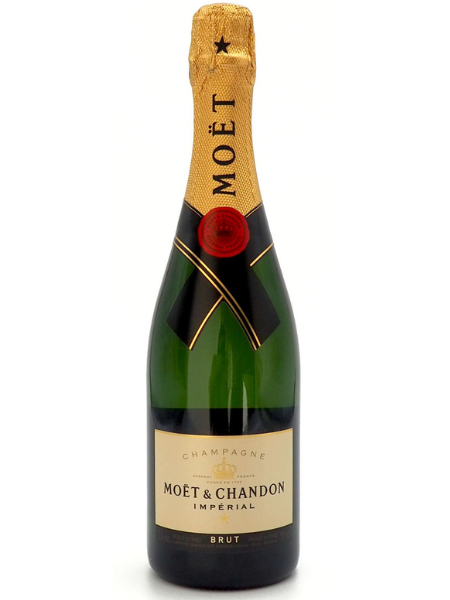
Chardonnay's importance extends far beyond still white wine. It is one of the principal grapes of Champagne and is used in sparkling wines throughout the world because its acidity and relatively neutral aromatic profile provide an excellent foundation for secondary flavours and winemaking complexity. A sparkling wine made entirely from white Chardonnay is traditionally described as Blanc de Blancs in the Champagne context.
This sparkling heritage makes Chardonnay particularly relevant to alcohol-free wine. Carbonation contributes texture and freshness, two characteristics that can help compensate for some of the weight lost when alcohol is removed. The bubbles don't replace alcohol chemically or sensorially, but they change the physical experience of the wine on the palate.
Our collection includes Chardonnay-based alcohol-free sparkling wines, demonstrating that the grape can move between still and sparkling styles even after dealcoholization enters the equation. For a Chardonnay drinker, comparing still and sparkling alcohol-free expressions can be particularly revealing because the grape remains the reference point while the winemaking and texture change considerably.
Chardonnay and oak: a relationship worth understanding
Many consumers associate Chardonnay automatically with oak, but Chardonnay doesn't inherently taste of oak. Oak influence comes from fermentation or maturation in wooden vessels, and producers can choose anything from no oak at all to a pronounced barrel-derived style. Stainless-steel Chardonnay and heavily oaked Chardonnay can therefore sit at opposite ends of the stylistic spectrum.
Oak can contribute flavours associated with vanilla, toast, spice and smoke, but it can also influence texture and oxygen exposure. In conventional Chardonnay, these characteristics interact with alcohol and fruit to create the final balance. Once alcohol is removed, an oak-derived flavour that previously seemed integrated could potentially become more prominent if the rest of the wine no longer has sufficient weight.
Alcohol-free Chardonnay consequently requires restraint as well as technology. More flavour doesn't automatically produce more complexity, and simply adding stronger aromatic elements cannot reproduce the body contributed by alcohol. A convincing wine needs its acidity, fruit, aroma and texture to feel proportionate to one another.
Does alcohol-free Chardonnay taste exactly like conventional Chardonnay?
It would be misleading to promise that it does. Alcohol contributes enough to the body, warmth and overall perception of conventional Chardonnay that removing it inevitably changes the experience. Even excellent dealcoholization cannot make ethanol disappear while leaving every sensory characteristic completely untouched.
The more useful question is whether the finished wine retains recognisable Chardonnay character and remains balanced. Fruit, acidity, fermentation-derived characteristics and texture can survive to varying degrees, while careful winemaking can help the finished wine feel complete despite its lighter body. The success of the wine should therefore be judged on what remains in the glass rather than on whether the absence of alcohol is literally impossible to detect.
Expectations are especially important for drinkers accustomed to powerful, oak-aged Chardonnay. A rich 14% Chardonnay with substantial barrel influence and a 0% alcohol-free Chardonnay are unlikely to produce identical sensations because alcoholic warmth and weight form part of the former's personality. Someone who normally prefers fresher and less heavily oaked Chardonnay may find the transition to alcohol-free styles more immediately familiar.
Is non-alcoholic Chardonnay sweet?
Not necessarily. Chardonnay can display ripe apple, pear, peach, citrus or tropical-fruit characteristics depending on its origin and style, but those flavours don't tell us directly how much residual sugar the wine contains. Fruitiness and sweetness remain different concepts, even though they can influence one another in our perception.
Dealcoholization can nevertheless make sweetness more noticeable because alcohol previously contributed body and changed the balance between sugar and acidity. Producers therefore have to consider how the wine tastes after alcohol removal rather than relying solely on measurements taken before the process. A well-balanced alcohol-free Chardonnay needs sufficient freshness and structure to prevent fruit or sweetness from dominating unnecessarily.
Consumers looking specifically for dry alcohol-free Chardonnay should therefore examine individual product information rather than relying solely on the grape name. Chardonnay itself can produce dry, off-dry and sweeter wines, just as it can produce lean or rich wines. The variety tells us where the story begins, not exactly where the finished wine ends.
0%, 0.0% and <0.5% are not interchangeable
The increasing popularity of alcohol-free wine has also made precise labelling more important. Across the category, consumers encounter wines described as 0%, 0.0% and <0.5%, but these declarations shouldn't simply be rewritten as though they mean exactly the same thing. We use the stated alcohol level of the individual product rather than converting it into whichever terminology happens to fit an article title.
This is particularly important because people choose alcohol-free wine for many different reasons. One customer may simply want to reduce their alcohol consumption, while another may specifically be looking for a product carrying a particular alcohol declaration. Accurate product information allows both customers to make their own decisions without the retailer interpreting that difference on their behalf.
For this reason, when a Chardonnay in our collection is listed at 0%, we describe it as 0% rather than automatically calling it 0.0%. If another Chardonnay is listed at <0.5%, we retain that declaration as well. Technical accuracy may seem like a small detail, but it is part of treating alcohol-free wine with the seriousness we expect in the rest of the wine world.
Chardonnay should not be served ice-cold
White wine is frequently served colder than it needs to be. Very low temperatures suppress aroma and flavour, which can make a delicate alcohol-free Chardonnay seem even more neutral than it actually is. Chilling is important, but there is a difference between properly chilled and almost frozen.
For a fresh, lighter Chardonnay, somewhere around 8–10°C can provide a useful starting point, while a more textured style may reveal more as it gradually warms in the glass. Producer-specific recommendations should always take priority where available because the ideal serving temperature depends on the individual wine. Watching how the wine develops over fifteen or twenty minutes can also tell you more than judging it immediately after removing it from a very cold refrigerator.
Glassware helps for the same reason. A proper white-wine glass gives the wine enough room to release aroma while helping maintain a cool temperature, and there is no reason to serve alcohol-free Chardonnay differently simply because the alcohol has been removed. If we want to understand the wine properly, we should give it the same basic conditions we would give conventional Chardonnay.
What food works with alcohol-free Chardonnay?
Chardonnay's versatility at the table reflects its wide range of styles. Fresher examples can work with fish, seafood, salads, vegetables and lighter poultry dishes, while more textured Chardonnay can accompany richer sauces, mushrooms and creamier preparations. The correct pairing depends more on the wine's weight, acidity and winemaking style than on the word Chardonnay alone.
With alcohol-free Chardonnay, the lighter body created by dealcoholization needs to be considered. A very rich dish can overwhelm a delicate 0% white, while fresh ingredients and moderate richness allow the wine's acidity and fruit to remain visible. Pairing becomes more successful when the intensity of the plate is matched to the intensity of the actual wine rather than to expectations based on a conventional high-alcohol Chardonnay.
Sparkling Chardonnay creates another set of possibilities because carbonation refreshes the palate and can work particularly well with salty or fried foods as well as aperitif-style dishes. This is another demonstration of how one grape can occupy several roles at the table. Understanding the style of Chardonnay in front of you is therefore considerably more useful than memorising a single food pairing.
Should you choose Chardonnay or Sauvignon Blanc without alcohol?
The answer depends on what you normally enjoy in white wine. Sauvignon Blanc tends to appeal to drinkers who value pronounced aroma, lively acidity and a distinctly fresh profile, while Chardonnay can offer a broader range of textures and styles shaped substantially by winemaking. Neither grape is inherently better suited to every drinker.
Alcohol-free versions preserve that basic distinction even though dealcoholization changes both wines. Sauvignon Blanc places considerable pressure on the producer to protect its aromatic intensity, whereas Chardonnay makes texture and balance particularly important. Trying both varieties is therefore a useful way to discover what matters most to you once alcohol is removed.
This is precisely why we are building our alcohol-free collection around genuine wine choices rather than simply dividing bottles into red and white. Knowing that you prefer Chardonnay to Sauvignon Blanc is useful information, just as it is when buying conventional wine. The absence of alcohol shouldn't require you to forget everything you already know about your own taste.
Frequently asked questions about non-alcoholic Chardonnay
Can you get Chardonnay without alcohol?
Yes. Chardonnay can be made into wine and subsequently dealcoholized, and it can appear in both still and sparkling alcohol-free styles. The exact alcohol declaration depends on the individual product, so customers should check the bottle specification rather than assuming every alcohol-free Chardonnay has exactly the same ABV.
Is alcohol-free Chardonnay just grape juice?
No. Dealcoholized Chardonnay begins with fermented wine, whereas ordinary grape juice has not undergone alcoholic fermentation. Fermentation creates many of the flavour and aroma characteristics associated with wine before the alcohol is subsequently removed or reduced.
Does alcohol-free Chardonnay taste like regular Chardonnay?
It can retain recognisable Chardonnay characteristics, but it won't be identical because alcohol contributes substantially to body, warmth and texture. The degree of similarity also depends on the style of conventional Chardonnay being used as the reference point, since a lean stainless-steel Chardonnay and a rich oak-aged Chardonnay are already very different wines. A better measure is whether the alcohol-free version remains balanced and recognisably vinous.
Why does some Chardonnay taste buttery?
The buttery character associated with some Chardonnay is largely connected with malolactic conversion and the compound diacetyl rather than being a basic flavour of the Chardonnay grape itself. Winemakers can influence how much of this character develops, which is why some Chardonnays are noticeably buttery while others are crisp and fresh. Oak and lees ageing can further influence the texture and flavour profile.
Is alcohol-free Chardonnay sweet?
It doesn't have to be. Fruit aromas and flavours are not the same as sweetness, and Chardonnay can be made in different styles depending on the producer. Because dealcoholization changes the balance of the wine, customers who specifically prefer dry Chardonnay should check the individual wine's technical and tasting information.
What temperature should non-alcoholic Chardonnay be served at?
Around 8–10°C is a useful starting point for many lighter alcohol-free Chardonnay styles, although the producer's recommendation should be followed where available. Serving the wine excessively cold can suppress its aromas and make its texture difficult to appreciate. A more textured Chardonnay may become increasingly expressive as it warms slightly in the glass.
Chardonnay shows us that alcohol-free winemaking is still winemaking
Chardonnay is perhaps one of the clearest examples of why alcohol-free wine cannot be understood purely through alcohol percentages. The grape itself can be transformed through climate, fermentation vessel, malolactic conversion, lees ageing, oak and sparkling-wine production before dealcoholization even enters the conversation. Removing the alcohol adds another major winemaking challenge, but it doesn't erase everything that came before it.
That makes Chardonnay particularly revealing for anyone curious about where premium alcohol-free wine is heading. The producer cannot rely solely on an intensely aromatic grape to carry the finished wine, nor can alcohol provide the same weight and warmth once it has been removed. Fruit, acidity, texture and cellar technique have to work together to create something that still feels complete.
At Dis&Dis, this is exactly why we believe alcohol-free wine becomes more interesting when we stop treating “alcohol-free” as its entire identity. Chardonnay gives us Burgundy, Spain, still wine, sparkling wine, stainless steel, lees, oak and generations of winemaking knowledge to discuss before we ever reach the ABV. The most interesting alcohol-free Chardonnay isn't simply a Chardonnay with something removed; it is a wine in which the winemaker has understood what needs to remain.
Explore our alcohol-free white wine collection and discover Chardonnay alongside other white grape varieties and styles.
Related post
06
Oct
01
Oct
29
Sep