

How Alcohol-Free Wine Is Made: The Science Behind Premium Dealcoholization
Premium alcohol-free wine isn't grape juice with pretensions. It's genuine wine that undergoes a sophisticated scientific process to remove the alcohol while preserving everything that makes wine extraordinary. Here's how it works.
It Starts with Real Wine
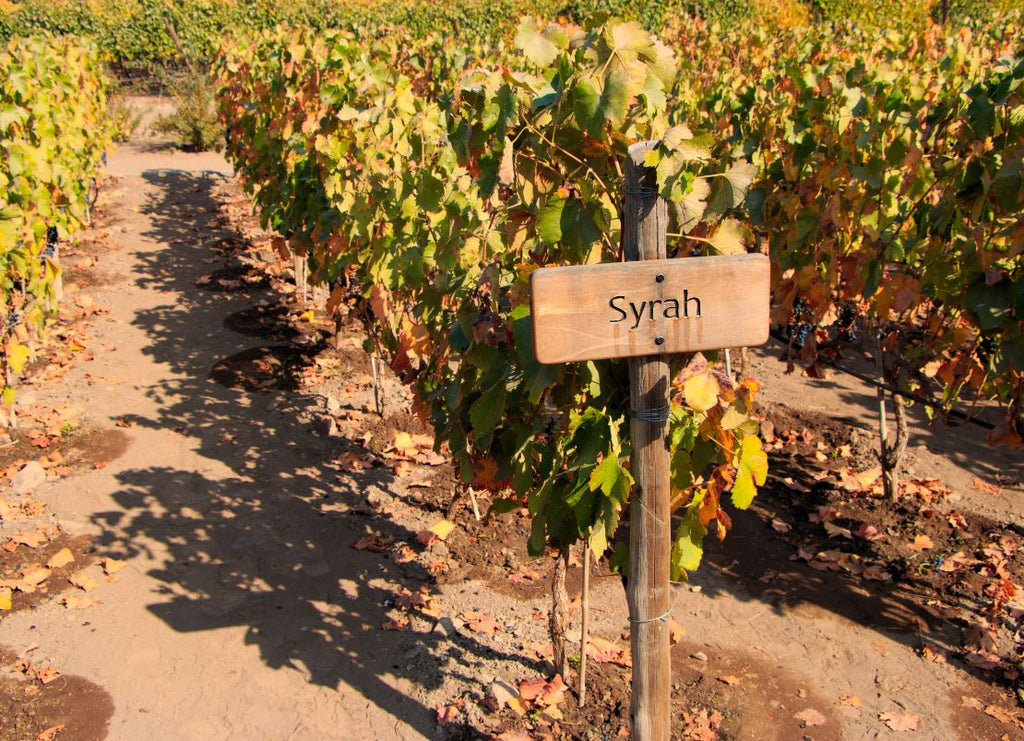
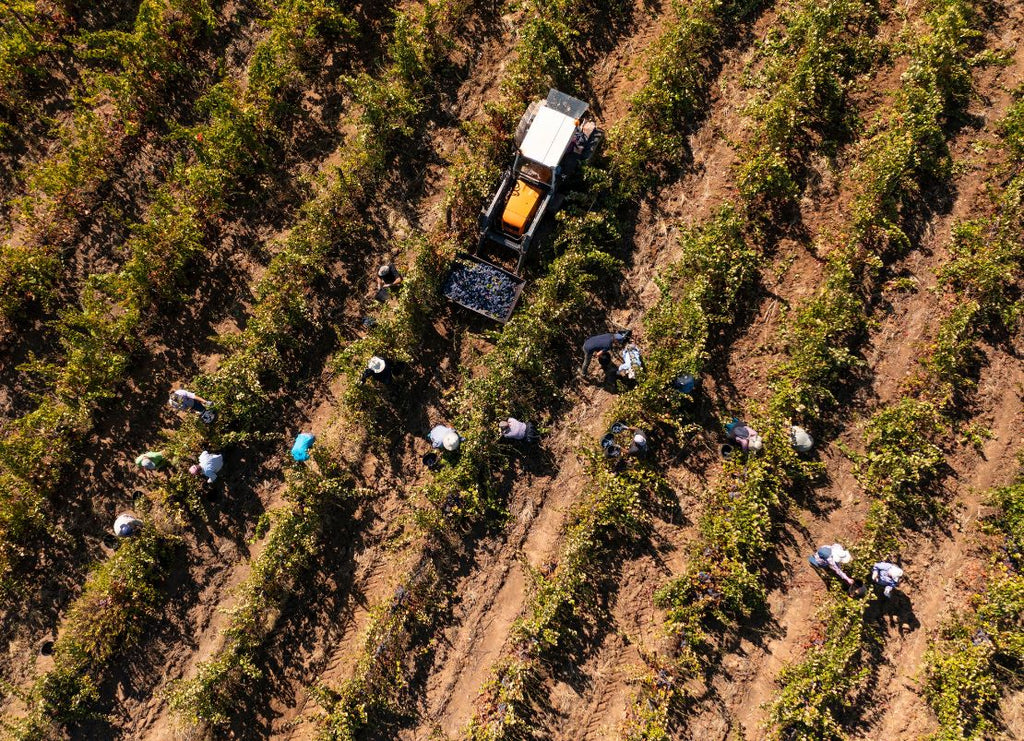
The most important thing to understand about premium alcohol-free wine is that it begins exactly as conventional wine does. The grapes are grown, harvested and vinified using the same winemaking techniques that have been refined over centuries in Europe's great wine regions. Fermentation occurs. Alcohol develops. The wine gains its complexity, structure and character through the same terroir-driven process as any fine wine.
It's only after the wine has been made — after it has achieved its full winemaking potential — that the alcohol is carefully removed. This sequence matters enormously, because it means the wine's complexity is built on genuine winemaking craft, not on artificial flavoring or grape juice sweeteners.
The Three Main Dealcoholization Methods
1. Vacuum Distillation
Vacuum distillation works by reducing the atmospheric pressure inside a sealed vessel, which lowers the boiling point of alcohol from 78°C to around 25-30°C. At these lower temperatures, the alcohol evaporates and can be captured and removed, while the heat-sensitive aromatic compounds — the esters, terpenes and acids that give wine its character — are preserved intact.
This is the most flavor-preserving of the traditional dealcoholization methods and is used by many of Europe's finest producers. The result is a wine that retains its aromatic complexity while delivering a clean, true-to-fruit flavor profile.
2. Reverse Osmosis
Reverse osmosis is a membrane-based process that separates wine into its component parts by forcing it through semi-permeable membranes under pressure. The alcohol and water pass through while the larger flavor molecules — polyphenols, antioxidants, aromatic compounds — are retained. The alcohol-water mixture is then processed to remove the ethanol, and the remaining water is blended back with the concentrated wine.
When executed correctly, reverse osmosis can preserve an extraordinary level of flavor complexity. It's particularly effective for structured red wines where the tannin framework and polyphenol content are critical to the wine's character. A 2023 review in the Journal of Knowledge Learning and Science Technology found that reverse osmosis was among the most effective methods for preserving polyphenols and sensory traits in dealcoholized wines.
3. Spinning Cone Column
The spinning cone column uses centrifugal force and steam to strip volatile aromatic compounds from wine in stages, before removing the alcohol, and then reintroducing the aromatics. This allows winemakers to separate and preserve the most delicate fragrant compounds before they would otherwise be lost in the dealcoholization process. It's a more complex and expensive technology, but it can achieve exceptional results with aromatic varietals.
What Stays in the Wine?
After dealcoholization, premium alcohol-free wines retain their polyphenols — the antioxidants derived from grape skins that are associated with many of wine's beneficial properties. They retain their organic acids, which create the structure and freshness we love in wine. They retain their aromatic compounds. What they lose is the ethanol — and the calories and physiological effects that come with it.
Most premium dealcoholized wines contain less than 0.5% ABV — a level that occurs naturally in many fruit juices, kombucha, and even some fermented foods. This is far below the level at which any intoxicating effect occurs.
Why the Producer Matters
The science of dealcoholization has advanced enormously in the past decade, but the quality of the finished wine is still primarily determined by the quality of the wine that goes into the process. A great dealcoholized wine starts with great grapes, great viticulture, and great winemaking. The technology then preserves what the winemaker created.
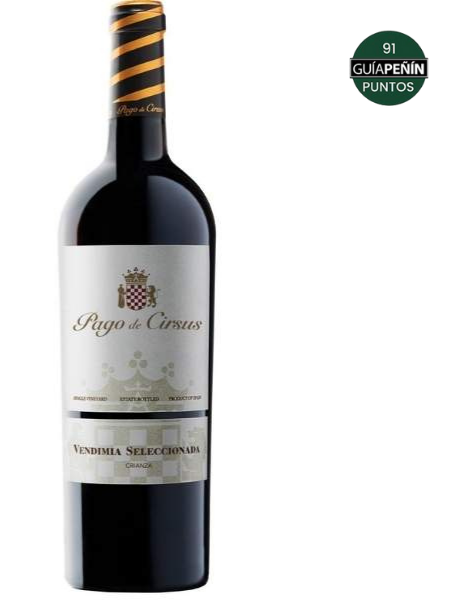
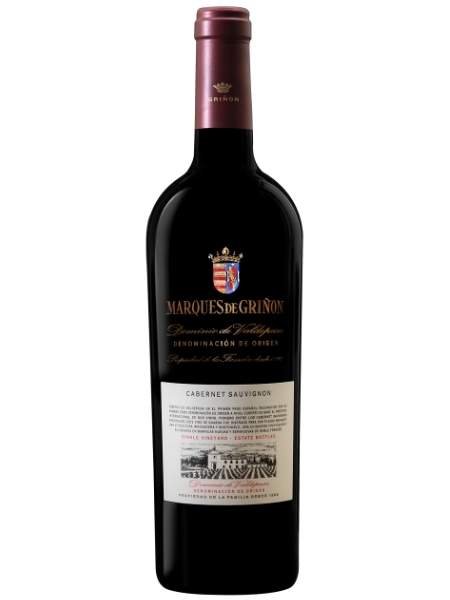
This is why Dis&Dis partners only with established European wineries that bring genuine winemaking pedigree to their non-alcoholic ranges. We aren't interested in brands created solely for the non-alcoholic market with no wine heritage. We want producers whose conventional wines are excellent, who have invested in understanding dealcoholization, and whose non-alcoholic wines reflect the same standards.
Experience the Science in Your Glass
The best way to understand what premium dealcoholization technology can achieve is to taste it. Browse our full alcohol-free wine collection at www.disndis.com, with detailed tasting notes, producer information and food pairing guidance for every bottle.
Free shipping across the USA on orders over $150, and across Europe on orders over €150.
Related post
06
Oct
01
Oct