
How to Read a Wine Label: 3 Things That Actually Matter
Buying wine shouldn’t feel complicated.
Yet wine labels often look intimidating: unfamiliar regions, small numbers, foreign languages. The truth is—you don’t need to understand everything on a label to choose well.
In fact, just three elements tell you most of what you need to know about a bottle before you open it.
Let’s simplify it.
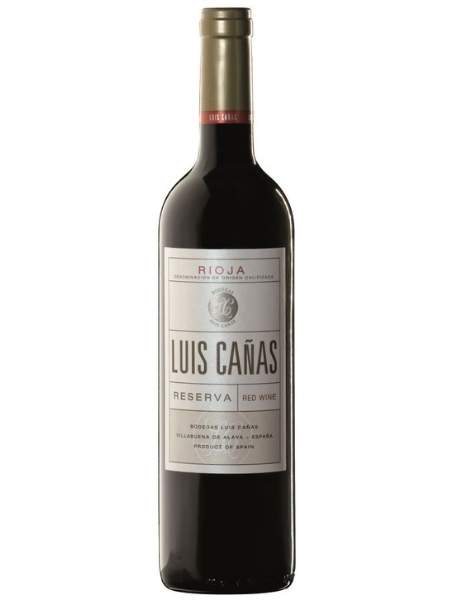
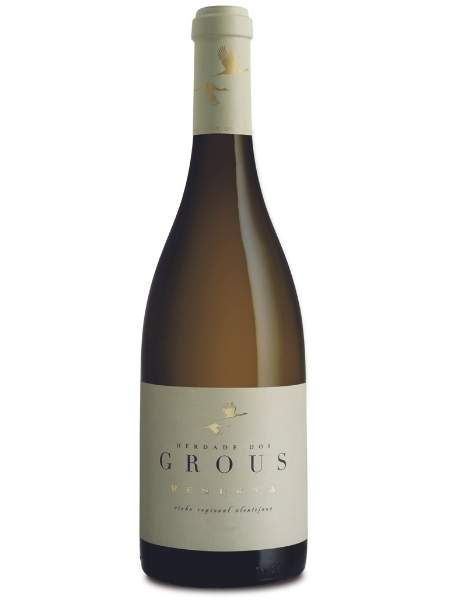
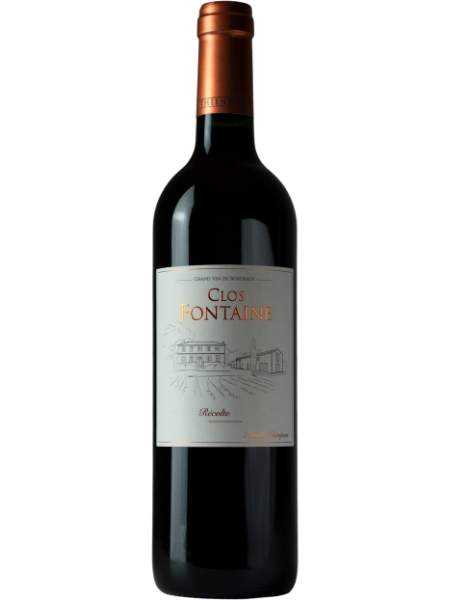
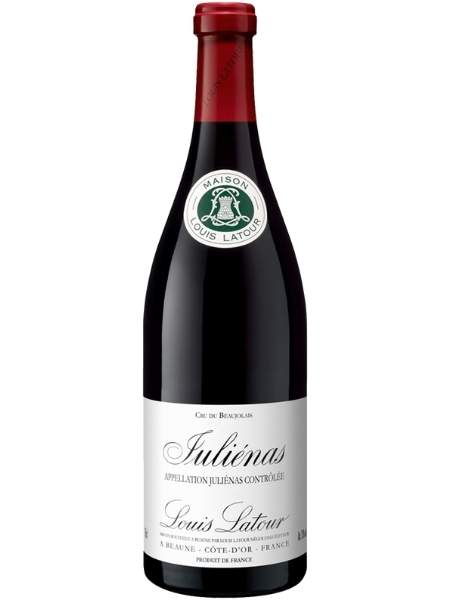
1. Where the Wine Is From (Region Over Everything)
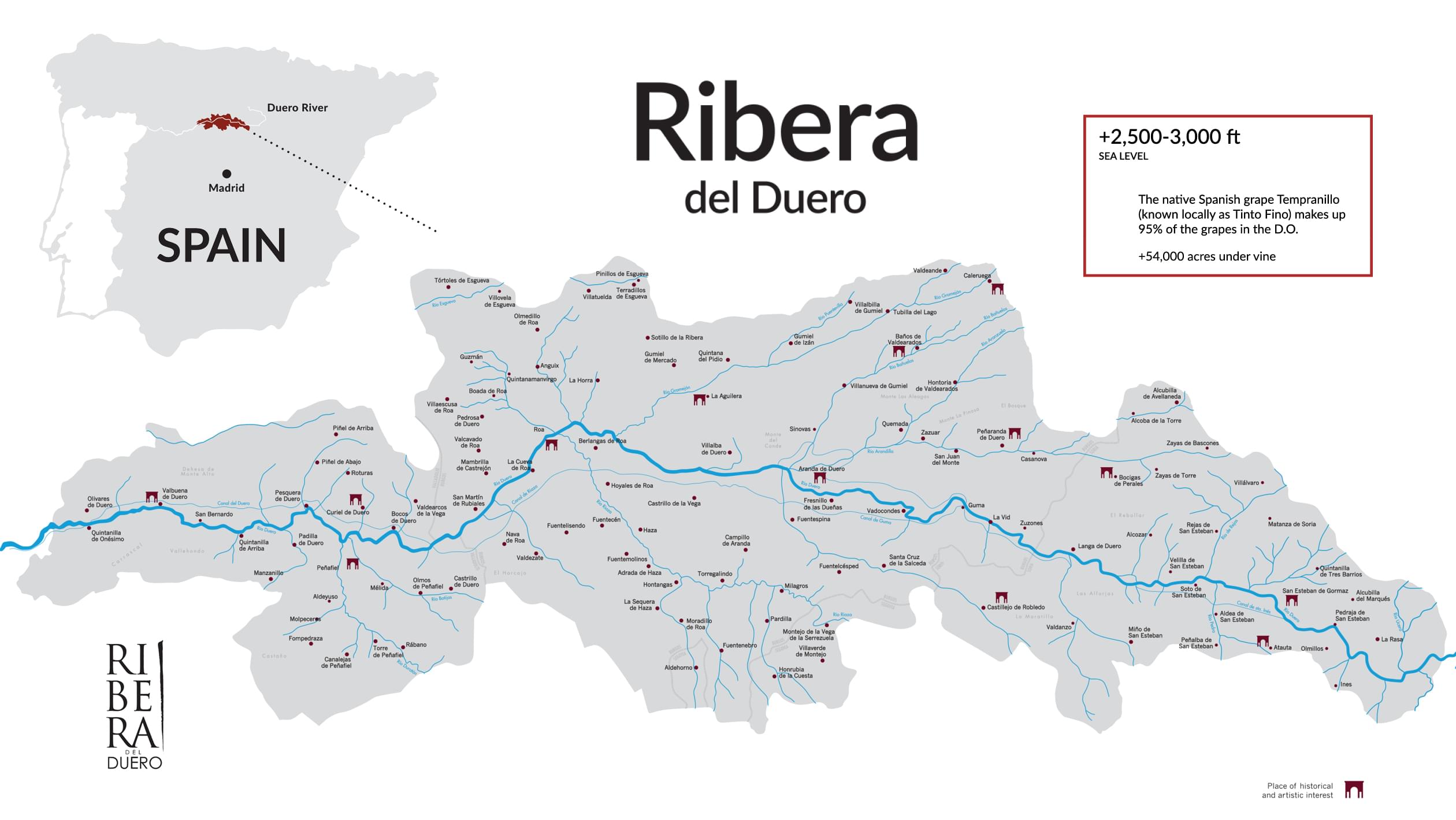
The first thing to check on any wine label is origin.
Wine reflects where it comes from—climate, soil, altitude, and local winemaking traditions all shape the final taste. That’s why region often matters more than brand.
For example:
-
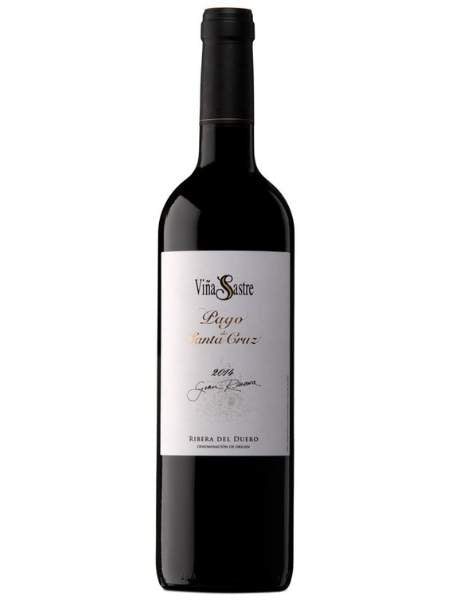
Ribera del Duero, Spain → bold, structured red wines, usually based on Tempranillo
-
Burgundy, France → elegant, high-acidity Pinot Noir and Chardonnay
-
Mosel, Germany → fresh, aromatic Rieslings
Why this matters:
If you’ve enjoyed a wine from a specific region before, choosing another wine from the same area is one of the safest ways to buy with confidence.
At Dis&Dis, we always recommend starting with where the wine is from.
2. The Vintage (The Year Tells a Story)
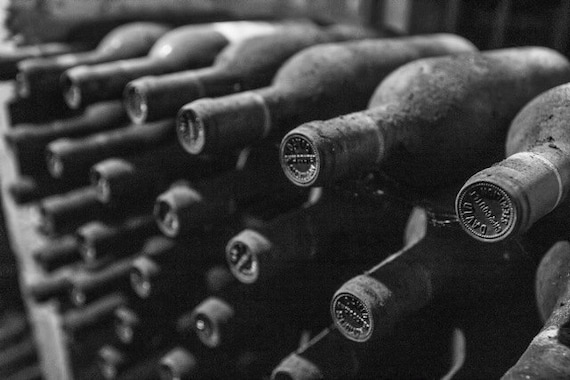
The vintage is the year the grapes were harvested.
Wine changes over time, and different styles shine at different moments in their life.
-
Younger vintages → fresher, more fruit-driven, vibrant
-
Older vintages (for example, 2014 vs 2022) → softer tannins, more complexity, deeper flavours
Important to know:
Older doesn’t automatically mean better. Some wines are crafted to be enjoyed young, while others benefit from aging.
When buying online, it’s best to choose wines that are already ready to drink, unless you plan to cellar them.
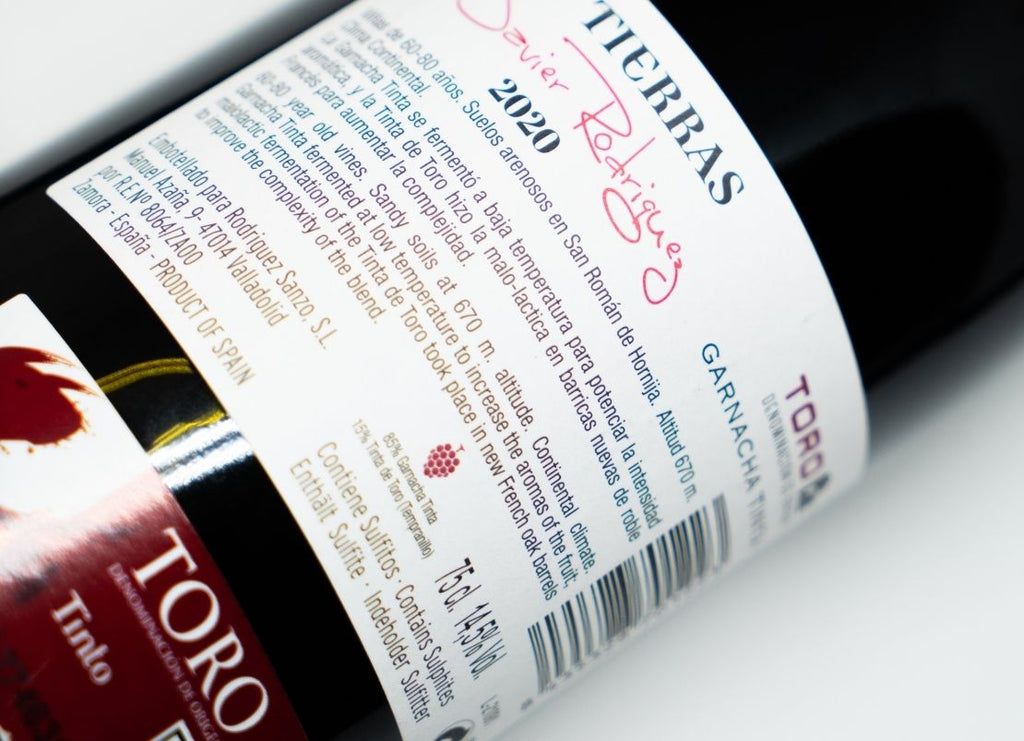
3. Alcohol Content (A Shortcut to Style)

Alcohol percentage is one of the most underrated indicators on a wine label.
It gives a strong clue about body and intensity:
-
11–12.5% → lighter, fresher, more delicate
-
13–14% → balanced, versatile, food-friendly
-
14.5% and above → fuller-bodied, richer, more powerful
Why this matters:
Higher alcohol often means riper grapes and a warmer growing climate, which translates into bolder flavours and a rounder mouthfeel.
If you know whether you prefer lighter or richer wines, alcohol level is a fast way to guide your choice.
A Simple Way to Choose Better Wine
Before buying your next bottle, ask yourself just three questions:
-
Where is it from?
-
What year is it?
-
What’s the alcohol level?
That’s enough to make a confident, informed choice.
At Dis&Dis, we curate wines—both alcoholic and alcohol-free—that are transparent, expressive, and selected for people who want to enjoy wine without guesswork.
Related post
16
Sep