
Does Non-Alcoholic Wine Taste Like Wine? What to Expect Before Your First Bottle
It is probably the most important question someone asks before buying non-alcoholic wine for the first time: does it actually taste like wine? Not like sophisticated grape juice, not like a wine-flavoured soft drink, but like something a person who genuinely enjoys wine would recognise and want to drink with dinner.
The truthful answer is more interesting than a simple yes or no. A well-made dealcoholized wine can retain many of the aromas, flavours, acidity, tannins and characteristics of the wine from which it was made, but removing alcohol inevitably changes the experience. Alcohol contributes body, warmth and texture, and it also influences the way we perceive aromas and flavours.
Non-alcoholic wine therefore shouldn't be expected to reproduce conventional wine perfectly. The better question is whether it can preserve enough of what makes wine interesting—grape variety, fermentation character, acidity, tannin, aroma, origin and balance—to create a convincing wine experience of its own. Increasingly, that is where the most interesting producers are concentrating their efforts.
First, non-alcoholic wine really does begin as wine
One of the biggest misconceptions surrounding the category is that non-alcoholic wine is essentially grape juice with wine flavour added. For genuine dealcoholized wine, that is not how the process works. Grapes are harvested, pressed and fermented, and yeast converts grape sugars into alcohol while creating many of the compounds that contribute to wine's aroma and flavour.
Only after wine has been made is the alcohol subsequently reduced or removed. Different producers use different technologies, including vacuum-based processes and other forms of separation designed to work at relatively low temperatures. The objective is to remove ethanol while preserving as much of the original wine as possible.
That distinction matters enormously to taste. Fermentation fundamentally changes grape juice, producing aromas, flavours and structural characteristics that simply aren't present in the same way before fermentation. A dealcoholized Sauvignon Blanc and a bottle of Sauvignon Blanc grape juice may begin with the same grape variety, but they have travelled through fundamentally different processes before reaching the glass.
So why doesn't it taste exactly the same?
Because alcohol isn't merely the part of wine that makes you intoxicated. Ethanol is physically and sensorially part of the wine. It contributes weight and warmth to the palate and influences how aromas and flavours are perceived.
Take it away and the architecture changes. A wine that previously balanced alcohol, acidity, fruit, tannin and perhaps residual sugar now has to function without one of those components. Even if many of the original aromas and flavours remain, the wine may feel lighter and less warm in the mouth.
This is why promising that a 0% or <0.5% wine will be indistinguishable from a conventional 13% wine is unrealistic. The objective of serious alcohol-free winemaking is not to pretend that ethanol contributes nothing. It is to make sure that what remains after its removal is balanced enough to stand as wine in its own right.
The biggest difference is often texture, not flavour
People frequently assume that removing alcohol primarily removes flavour. In practice, one of the most noticeable differences can be mouthfeel. Alcohol gives conventional wine a degree of viscosity and weight that becomes particularly noticeable in fuller styles.
This is easy to understand when comparing different conventional wines. A powerful red at 14% alcohol often creates a very different physical sensation from a delicate white at 11%, even before we consider grape variety. Alcohol is not the only reason for that difference, but it contributes to it.
Once alcohol has been removed, the wine can consequently feel lighter. Producers have to think carefully about acidity, tannin, residual sugar, lees, carbonation and other structural components to prevent the finished wine from becoming thin. In premium alcohol-free wine, much of the winemaker's skill lies in solving this problem without simply making the wine sweeter.
Aroma is another part of the challenge
Wine contains a remarkably complex collection of volatile aromatic compounds. Some originate in the grapes, others develop during fermentation, and still others emerge through maturation and ageing. Together they help explain why Sauvignon Blanc can remind us of citrus and herbs, Syrah of pepper and dark fruit, or Riesling of citrus, peach and flowers.
Dealcoholization has to be carried out carefully because some aromatic compounds are volatile too. If too much aromatic character disappears alongside the ethanol, the wine may retain acidity and colour but lose much of its personality. Modern dealcoholization techniques therefore increasingly focus not only on removing alcohol but on protecting or recovering aroma.
This is one reason quality differs so much between alcohol-free wines. The alcohol percentage printed on the bottle tells you very little about how successfully the producer preserved the original wine's aromatic character.
Your first alcohol-free wine matters more than you might think
Someone who drinks conventional wine rarely judges the entire wine world after one disappointing bottle. If a particular Chardonnay isn't enjoyable, we understand that another producer, grape, region or style may taste completely different. Yet alcohol-free wine is frequently judged according to a harsher standard.
A person buys one inexpensive alcohol-free red, finds it thin or sweet, and concludes that non-alcoholic wine doesn't taste like wine. That is rather like tasting one poor conventional red and concluding that Cabernet Sauvignon, Burgundy, Rioja and Barolo must all taste the same. The category is simply too diverse for that conclusion.
Producer, grape variety, base-wine quality and dealcoholization technique all matter. The growing differences between bottles are actually encouraging because they show that alcohol-free wine is developing into a wine category rather than remaining a single substitute product.
Grape variety still matters after alcohol is removed
This is one of the most important discoveries for someone beginning to explore better alcohol-free wine. Cabernet Sauvignon doesn't suddenly become Sauvignon Blanc because both have been dealcoholized. The grape remains part of the identity of the wine.
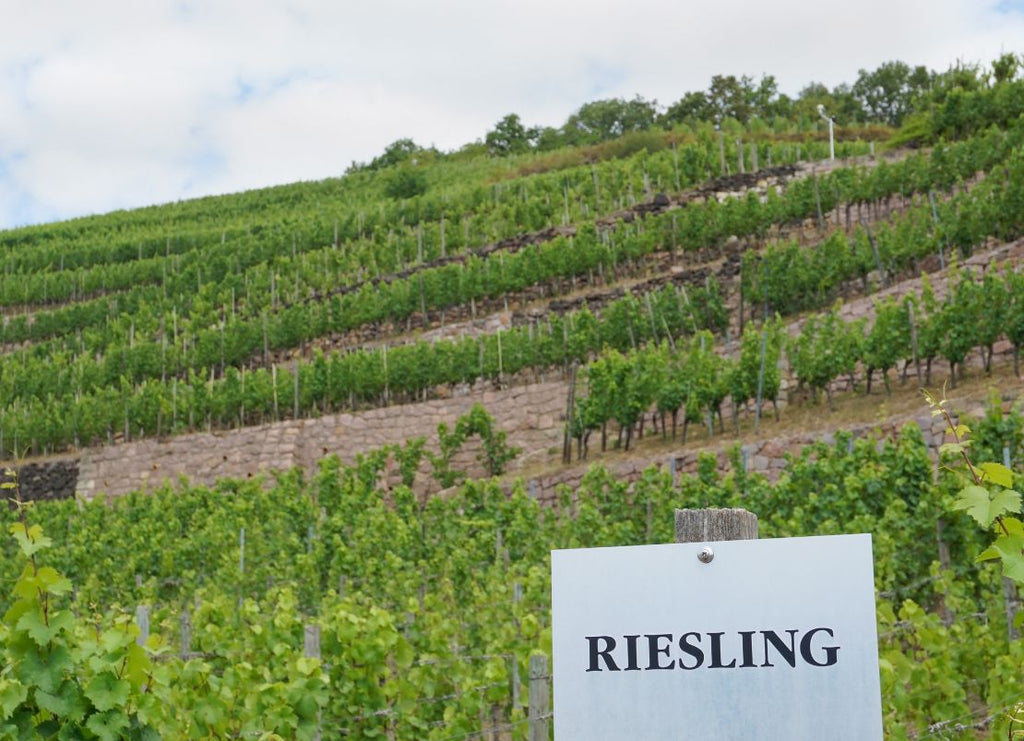
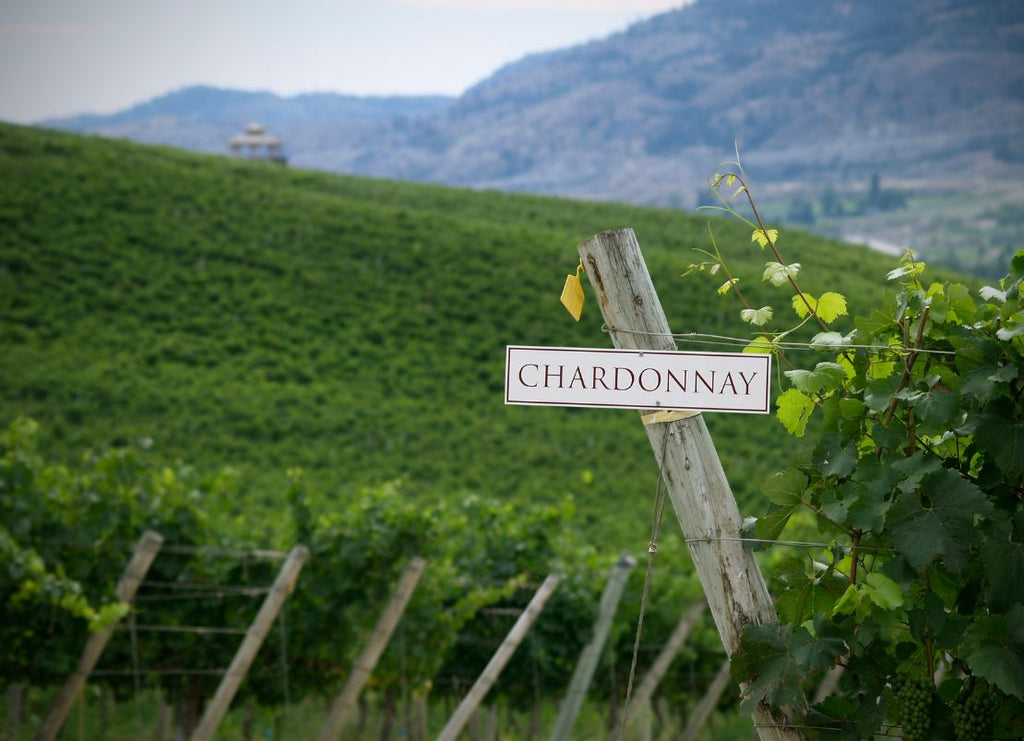
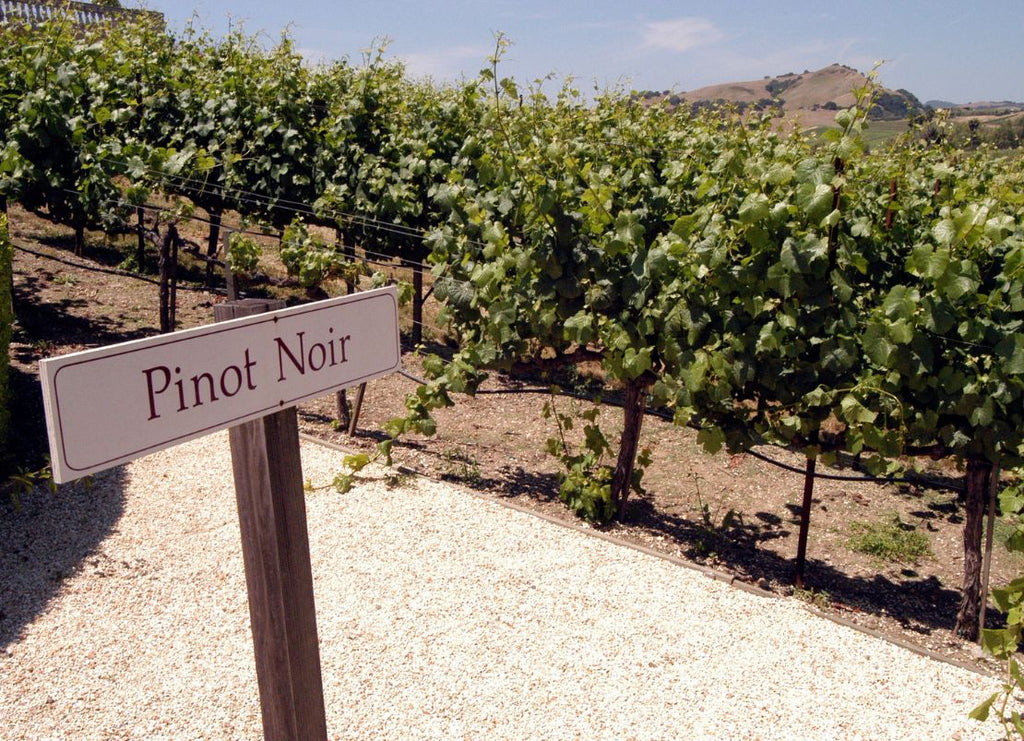
Cabernet Sauvignon can bring tannin and structure, while Merlot tends towards a softer expression. Syrah can provide darker fruit and peppery character, whereas Pinot Noir is typically more delicate, aromatic and acid-driven. Among whites, Sauvignon Blanc brings pronounced freshness and aroma, Chardonnay responds strongly to winemaking decisions, and Riesling combines distinctive aromatics with naturally strong acidity.
These differences are precisely why we have been exploring individual varieties in our Dis&Dis wine guides. If you already know which grapes you prefer in conventional wine, that knowledge is a much better starting point for choosing an alcohol-free bottle than abandoning your preferences and buying whatever happens to say “0%” on the label.
Red wine is one of the hardest tests
Red wine presents particular difficulties because conventional red wine relies heavily on the relationship between alcohol, tannin, fruit and body. Remove the alcohol and tannin can become more exposed while the palate simultaneously loses weight. If the remaining components aren't carefully balanced, the wine can feel thin, overly fruity or disjointed.
This helps explain why alcohol-free red wine has historically been one of the more challenging parts of the category. It also explains why grape variety matters so much. Cabernet Sauvignon, Merlot, Syrah and Pinot Noir bring very different amounts and styles of tannin, acidity and aromatic character into the process.
A good alcohol-free red should therefore not be judged solely on whether it reproduces the alcoholic warmth of conventional red wine. Look instead for structure, tannin, acidity, fruit definition and a finish that makes you want another sip. Those qualities tell us considerably more about whether the wine has retained its vinous character.
White wine has a different advantage
White wines don't generally depend on tannin in the same way, which shifts the emphasis towards acidity, aroma and texture. High-acid grapes can have a particular advantage because freshness remains an important structural component after alcohol has been removed.
Sauvignon Blanc illustrates this well. Its distinctive aromatic character and acidity give the winemaker something substantial to preserve, while Riesling brings its own combination of acidity and highly recognisable aromas. Chardonnay presents a different challenge because texture and cellar decisions can be especially important to its personality.
This is why someone who struggles with their first alcohol-free red may have a completely different reaction to a good alcohol-free white. They are not simply different colours of the same product. Their structure, grape varieties and winemaking challenges are genuinely different.
Sparkling wine may feel particularly natural without alcohol
Sparkling wine introduces another structural element: carbonation. Bubbles create physical sensation on the palate and reinforce the impression of freshness, helping give the wine energy even when ethanol is absent. Combined with sufficient acidity, this can create an experience that feels complete without requiring the same body as a still red wine.
This helps explain why sparkling alcohol-free wine has become such an important part of the premium category. Chardonnay, Sauvignon Blanc, Glera, Colombard and other grapes can all appear in different sparkling expressions, giving producers multiple foundations on which to build.
It also makes sparkling wine an excellent entry point for someone who has never tried alcohol-free wine before. Rather than asking a 0% sparkling wine to imitate a powerful still wine, we can appreciate what bubbles, acidity, aroma and fruit achieve together.
Why do some alcohol-free wines taste like grape juice?
Sometimes the criticism is justified. If a wine has too little acidity or structure and too much perceived sweetness or simple fruit, the result can remind the drinker of grape juice. The problem isn't that all alcohol-free wine is grape juice; it is that the balance of that particular wine doesn't sufficiently communicate the characteristics we associate with fermented wine.
Fermentation-derived aroma, tannin, acidity and complexity can all help move the experience away from juice. So can careful selection of the base wine and gentle dealcoholization. A producer beginning with poor wine cannot reasonably expect alcohol removal to turn it into an exceptional bottle.
This is one of the reasons we believe the base wine matters. Dealcoholization is a sophisticated tool, but it is not a substitute for viticulture and winemaking. You still have to make wine before you can make good alcohol-free wine.
Why are some non-alcoholic wines sweet?
Sweetness can help compensate for some of the body lost during alcohol removal. Sugar contributes weight and can make a wine feel rounder, so leaving or introducing too much sweetness is an obvious way to avoid a thin palate. The problem arises when that solution becomes more noticeable than the wine itself.
Better balance can come from acidity, tannin, aroma, texture and carbonation as well as residual sugar. Different grape varieties give producers different tools with which to achieve it. This is why a high-acid Riesling or Sauvignon Blanc can behave very differently after dealcoholization from a softer, lower-acid base wine.
If sweetness is your biggest concern, our guide to dry non-alcoholic wine explores this subject in much greater detail. The essential point is that fruitiness and sweetness are not the same thing, and alcohol-free does not automatically mean sweet.
Can oak make alcohol-free wine taste more like conventional wine?
Oak can contribute complexity, aroma, tannin and texture, but it is not a magic replacement for alcohol. Depending on how it is used, oak can introduce characteristics associated with vanilla, toast, spice or smoke, while barrel maturation can also influence the wine's texture and development.
In an alcohol-free wine, those characteristics have to remain proportionate to a lighter palate. Heavy oak that worked in the original wine could become dominant after alcohol is removed. More oak therefore does not necessarily create a more convincing alcohol-free wine.
The same principle applies to every technique used after dealcoholization. The objective should not be to disguise the absence of alcohol beneath stronger flavours. It should be to restore balance while allowing the grape and wine to remain recognisable.
What should you expect from your first bottle?
Expect the wine to be lighter than the conventional equivalent. This is particularly important with red wine, where someone accustomed to powerful 14% styles may otherwise interpret the absence of alcoholic warmth as a quality problem. A lighter body is a natural consequence of removing something that previously contributed body.
Expect aroma and acidity to matter more. A good alcohol-free wine often succeeds because freshness, grape character and aromatic definition provide enough interest that you don't spend the entire glass thinking about what is missing. This is especially apparent in aromatic whites and sparkling wines.
Most importantly, don't expect every alcohol-free bottle to taste alike. Choose according to grape and style just as you would with conventional wine. If you normally dislike Sauvignon Blanc, buying an alcohol-free Sauvignon Blanc simply because it has excellent reviews is unlikely to transform your taste preferences.
Start with what you already like
For a conventional Sauvignon Blanc drinker, begin with Sauvignon Blanc. Someone who enjoys Riesling should explore Riesling, while a Chardonnay drinker has good reason to start with Chardonnay. Familiar varietal characteristics give you a reference point from which to judge what dealcoholization has changed.
The same applies to red wine. Cabernet Sauvignon drinkers may value tannin and structure, Merlot drinkers may prefer a softer profile, Syrah enthusiasts may look for darker fruit and spice, while Pinot Noir drinkers are accustomed to delicacy and freshness. None of those preferences disappear merely because alcohol does.
This approach also makes alcohol-free wine considerably more enjoyable to explore. Instead of searching for the mythical bottle that “tastes exactly like alcoholic wine”, you begin discovering which producers and grape varieties work best for your palate.
Serve it as wine
One surprisingly simple way to improve the experience is to treat alcohol-free wine properly. Serve whites chilled but not frozen, give reds an appropriate temperature for their style, and use a wine glass that allows aromas to develop. Temperature has a substantial influence on how we perceive aroma, sweetness, acidity and texture.
Alcohol-free wine served excessively warm can seem soft or sweet, while a bottle served ice-cold can lose much of its aromatic character. Neither condition gives the wine a fair opportunity to show what the producer intended.
There is also a psychological element. Pouring a carefully made alcohol-free wine into proper glassware at dinner reinforces what the production process already tells us: this is fermented wine from which alcohol has subsequently been reduced or removed. It deserves to be evaluated with the same attention we give other wine.
0%, 0.0% and <0.5% don't tell you how good the wine will taste
Alcohol declarations are important, but they are not quality scores. A bottle listed at 0%, another at 0.0% and another at <0.5% may differ in alcohol content, but those numbers alone tell you nothing definitive about aroma, dryness, complexity or balance.
At Dis&Dis, we preserve the alcohol declaration of each individual product rather than converting all alcohol-free wines into a generic 0.0% category. Customers may care about those differences for personal, cultural or practical reasons, and accurate information matters.
For taste, however, look further. Grape variety, producer, region, base wine, dealcoholization method and the final balance of acidity, fruit, tannin and texture will tell you much more about what you are likely to experience in the glass.
Frequently asked questions
Does non-alcoholic wine actually taste like wine?
Good dealcoholized wine can retain many recognisable characteristics of wine because it has undergone fermentation before its alcohol is removed. However, it won't taste exactly identical to a conventional wine because ethanol contributes body, warmth and influences aroma perception. The quality of the base wine and the dealcoholization process make a considerable difference.
Is non-alcoholic wine just grape juice?
No. Dealcoholized wine is fermented into wine before the alcohol is subsequently reduced or removed. Ordinary grape juice has not undergone the same alcoholic fermentation, so the production process and resulting aromatic composition are fundamentally different.
What type of non-alcoholic wine tastes most like wine?
There isn't one universal answer because taste preferences differ. Aromatic, high-acid whites and sparkling wines can be particularly approachable, while well-structured reds use tannin and acidity to maintain wine-like character. Choosing a grape variety you already enjoy is often the best starting point.
Why does alcohol-free red wine taste lighter?
Alcohol contributes body and warmth to conventional red wine. Once it is removed, the palate naturally becomes lighter even though tannins, acidity, colour and flavour compounds remain. Producers therefore have to rebalance the wine without allowing it to become overly sweet or thin.
Does non-alcoholic wine taste sweet?
Some does, but alcohol-free wine is not inherently sweet. Sweetness depends on residual sugar and how it interacts with acidity, fruit and the rest of the wine's structure. Dry alcohol-free wines are available, and fruit aromas should not automatically be interpreted as sweetness.
Can wine experts enjoy non-alcoholic wine?
There is no reason someone knowledgeable about wine cannot appreciate a well-made alcohol-free bottle, provided it is judged realistically. It will not reproduce every sensory effect of ethanol, but grape character, acidity, tannin, aroma, origin and winemaking can still provide plenty to evaluate. As the category improves, these differences between producers are becoming increasingly interesting.
The goal isn't to make you forget that the alcohol is gone
Perhaps the wrong question has been dominating alcohol-free wine for too long. If success means making a 0% wine literally indistinguishable from a 13% wine, we are asking producers to remove a major structural component while somehow ensuring that its absence has no sensory consequence. That is an unreasonable standard.
A more interesting standard is whether the wine remains recognisable, balanced and enjoyable. Can we identify something of Sauvignon Blanc's freshness, Riesling's acidity, Pinot Noir's delicacy or Cabernet Sauvignon's structure? Does the wine work with food? Does the second glass remain interesting after the novelty of being alcohol-free has disappeared?
That is where alcohol-free wine starts becoming wine culture rather than substitution. The best bottles don't necessarily make you forget that the alcohol has been removed. They make you realise how much of wine can remain without it.
At Dis&Dis, that is the category we want to explore: wines selected not simply because they contain little or no alcohol, but because grape variety, producer, origin and craftsmanship still matter.
Related post
20
Oct
13
Oct