
How to Host an Alcohol-Free Thanksgiving Without Making It Feel Alcohol-Free
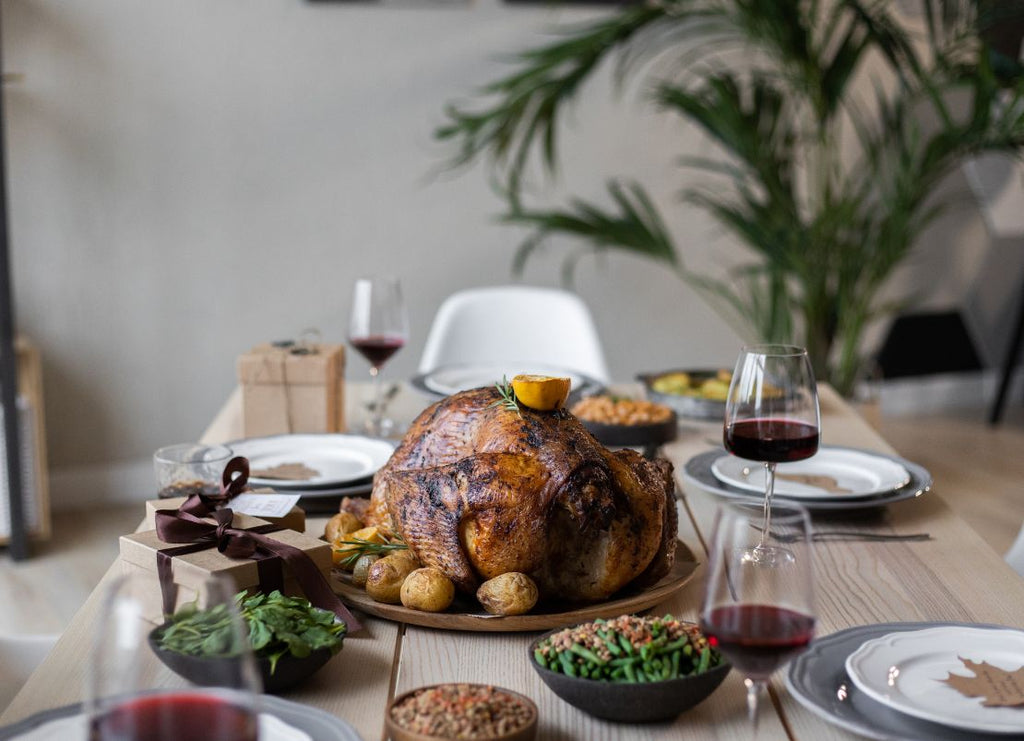
Thanksgiving has its own choreography. Someone arrives early. Something is still in the oven. A bottle is opened in the kitchen while the last dishes are being finished. Glasses appear, people move towards the table, and eventually someone raises the first toast.
None of those rituals depends on alcohol.
Yet when a guest says they are not drinking, the alternative is still too often a glass of water, soda or whatever happens to be in the refrigerator. The conventional wine receives the stemware, the discussion and the place at the centre of the table, while the alcohol-free drink becomes an accommodation.
A good alcohol-free Thanksgiving should work differently. The objective isn't to construct a dinner around what is missing. It is to create the same sense of occasion through wine, food and hospitality without assuming that alcohol is necessary for any of them.
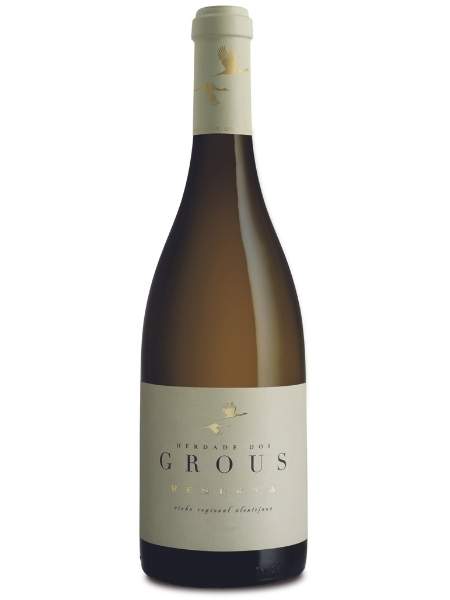
And increasingly, that means thinking beyond mocktails. Alcohol-free wine gives the host something particularly useful: a drink that can move through a meal in the same way wine traditionally does. Sparkling wine can welcome guests, a fresh white or rosé can accompany turkey and vegetables, and a more structured red can appear when stuffing, mushrooms and gravy make the plate richer.
The result doesn't have to feel like a “sober version” of Thanksgiving. It can simply feel like Thanksgiving.
The first rule: don't create a separate table for people who aren't drinking
One of the easiest mistakes to make when hosting is to divide drinks into two categories. Wine goes on the dining table; alcohol-free drinks stay somewhere else. Guests drinking alcohol are asked whether they prefer red or white, while the person who isn't drinking is offered water or soda.
Even when well intentioned, that creates two different experiences.
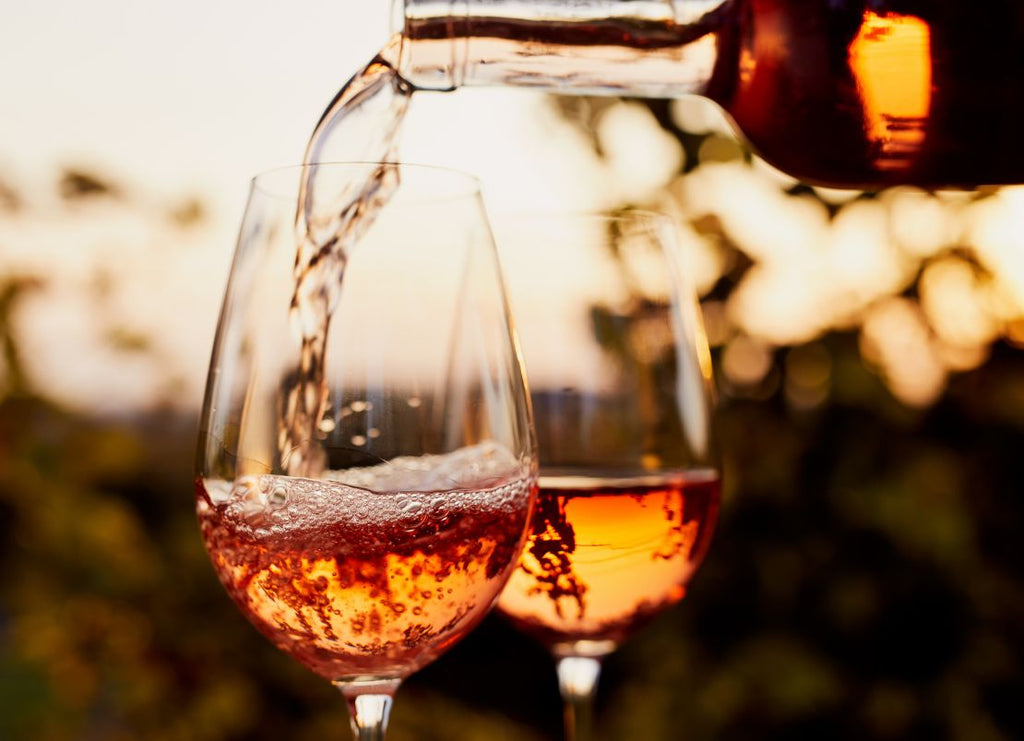
If you're serving alcohol-free wine, treat it as wine. Chill it appropriately, open it with the other bottles, pour it into proper glasses and place it on the table where guests can see what they are drinking.
This becomes even more important when several people are choosing alcohol-free drinks. There is no reason everyone needs the same bottle merely because they share one preference about alcohol. One person may prefer sparkling wine, another dry white wine and another red.
The alcohol content is only one characteristic of the bottle. Grape variety, acidity, tannin, sweetness, carbonation, origin and winemaking still matter.
You don't need to ask why somebody isn't drinking
A guest might choose an alcohol-free wine because they are driving. They might be taking a temporary break from alcohol, simply prefer not to drink that evening, or have another personal reason.
As a host, you don't need to know.
Good hospitality means making a worthwhile choice available without turning that choice into a discussion. Put the bottle on the table, explain what it is if someone is interested, and allow guests to choose for themselves.
This is one of the reasons a serious alcohol-free wine selection works so much better than a single token alternative. Instead of announcing that you have “something for the non-drinkers”, you can ask exactly the same question you would ask everyone else:
Would you like sparkling, white, rosé or red?
That small change makes alcohol-free wine part of the occasion rather than an exception to it.
Think about Thanksgiving as a sequence, not one bottle
Thanksgiving is a long meal, and there is no reason one wine needs to survive everything from the first appetiser to pumpkin pie.
A much easier approach is to think in three stages: something sparkling while guests arrive, a fresh white or rosé around the lighter part of dinner, and a red when the richer dishes reach the table.
This doesn't mean every guest needs to drink all three. It simply gives the table options.
Someone who loves sparkling wine might stay with it throughout dinner. Another guest might begin with bubbles and move to red. Someone else may prefer white from beginning to end. The host's job is not to dictate the sequence but to make a few sensible styles available.
For the detailed food side of the equation, our guide to the best non-alcoholic wine for Thanksgiving looks specifically at turkey, cranberry sauce, stuffing, vegetables, gravy and the other dishes on the table. Here, the more important question is how to make the entire drinking experience work.
Stage one: make the first glass feel celebratory
The first drink matters because it establishes the mood before anyone sits down.
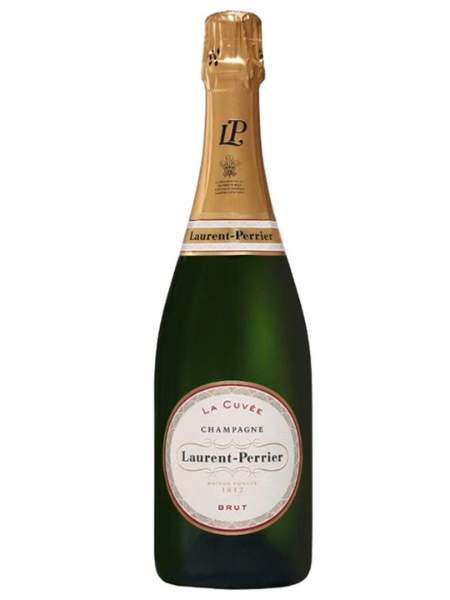
Sparkling wine is particularly effective here. The sound of opening the bottle, the bubbles in the glass and the ritual of pouring immediately signal that something is beginning. None of those things requires alcohol.
Alcohol-free sparkling wine also has a structural advantage. Removing ethanol changes the weight and warmth of wine, but carbonation creates its own physical sensation on the palate. Combined with sufficient acidity, bubbles can give alcohol-free sparkling wine energy and freshness.
Dis&Dis has sparkling wines made from a surprisingly broad range of grapes, including Chardonnay, Sauvignon Blanc, Colombard and Glera, as well as blends. That variety means “alcohol-free sparkling” should not be treated as one flavour any more than conventional sparkling wine should.
For Thanksgiving, serve the bottle properly chilled and open it when the first guests arrive rather than saving it exclusively for a toast.
Don't automatically call sparkling Glera “Prosecco”
If you're introducing guests to different alcohol-free wines, Thanksgiving is also an opportunity to talk about what is actually in the glass.
Glera is the grape most closely associated with Prosecco, and we have Italian alcohol-free sparkling wines made from Glera within the Dis&Dis range. But grape variety and protected wine designation are not the same thing. A sparkling wine made from Glera should not automatically be called Prosecco simply because it uses the same grape.
That distinction matters because alcohol-free wine becomes much more interesting when we stop describing it entirely through the conventional wines it supposedly replaces.
A Glera-based alcohol-free sparkling wine can be enjoyed for what it is: a sparkling wine with its own origin, producer, grape and style.
Stage two: give white and rosé a proper place at the Thanksgiving table
Once dinner begins, many hosts automatically think turkey means red wine. In reality, turkey is relatively delicate and works extremely well with white and rosé.
The challenge is everything around it.
Gravy adds richness. Stuffing brings herbs and savoury flavours. Cranberry sauce introduces sweetness and acidity. Sweet potatoes can move the plate even further towards sweetness. A wine therefore needs enough personality to remain noticeable without overpowering the turkey itself.
Fresh white wines can be particularly useful because acidity provides contrast to rich food. Depending on the menu, grapes such as Albariño, Riesling, Sauvignon Blanc or Chardonnay can all take the meal in different directions.
Rosé deserves particular attention. It occupies a useful position between white and red and can navigate poultry, vegetables and fruity sauces without necessarily bringing the tannin of a substantial red.
November may not look like rosé season, but Thanksgiving doesn't care what colour the leaves are outside.
Rosé is not just a summer drink
The idea that rosé belongs exclusively beside a swimming pool is largely cultural rather than gastronomic. Rosé can be extremely useful with food precisely because its structure can sit somewhere between white and red wine.
The grape matters enormously. A Grenache-based rosé is not automatically the same experience as one based on Cabernet Sauvignon, and a blend involving Syrah, Grenache, Marselan and Merlot starts from another place again.
That is particularly relevant within alcohol-free wine. When alcohol is removed, we need to pay even more attention to the remaining structure: acidity, fruit, tannin, aroma and sweetness.
A complicated Thanksgiving plate can therefore be an excellent place for rosé. Turkey doesn't overwhelm it, vegetables can work with its freshness, and fruit character can help when cranberry sauce enters the picture.
Our non-alcoholic rosé guide goes much deeper into how rosé is made and why different grapes produce such different styles.
Stage three: bring red wine in when the food becomes richer
There is no rule saying red wine must wait until a particular moment. But Thanksgiving often becomes more red-wine friendly as the plate becomes richer.
Turkey on its own is delicate. Turkey covered in gravy beside sausage stuffing, mushrooms and roasted vegetables is something else entirely.
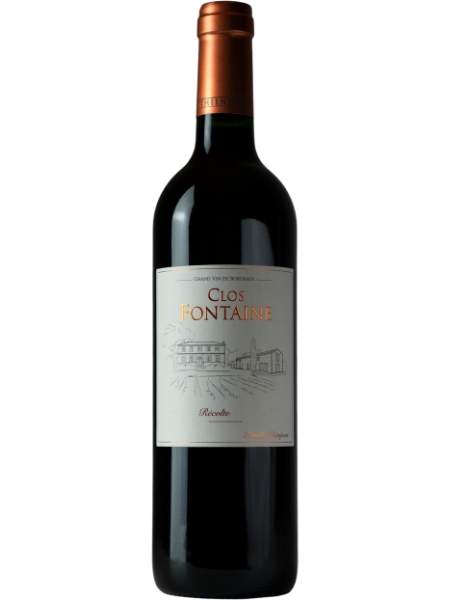
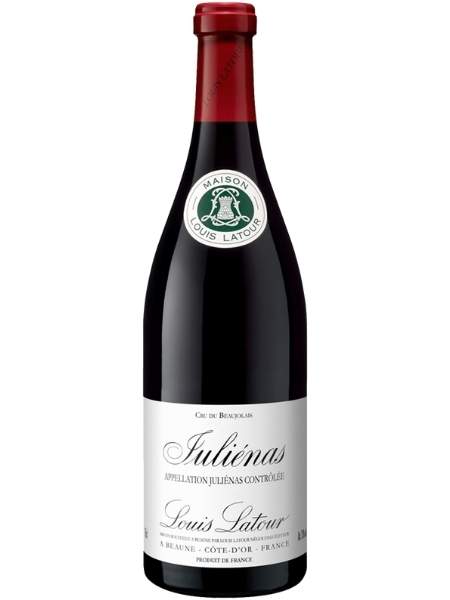
This is where alcohol-free Merlot, Syrah, Tempranillo and Bordeaux-style blends become interesting. Tannin can provide structure, while acidity helps prevent the wine from feeling flat beside rich food.
The important thing is not to assume that the darkest or most powerful red must be the best one. Without conventional alcoholic weight, balance becomes particularly important. Excessive tannin without sufficient fruit or texture can feel exposed.
A successful alcohol-free red should therefore be chosen according to the whole plate rather than the simple rule of “red wine with meat”.
What about a Thanksgiving table where some people drink alcohol?
This is probably the most realistic situation for many families. You do not need to make the entire Thanksgiving alcohol-free simply because some guests are choosing alcohol-free wine.
The easiest solution is to treat the two categories equally.
If you put a conventional sparkling wine in an ice bucket, chill the alcohol-free sparkling wine properly too. If you are opening a conventional red for dinner, put an alcohol-free red on the table alongside it. Use the same quality of glassware and give both bottles enough space to be discovered.
You also don't need to position the alcohol-free wine as an imitation of the conventional bottle next to it. They can be different grapes and different styles.
In fact, that can make the table more interesting. Someone drinking conventional Cabernet Sauvignon does not require the alcohol-free guest to drink alcohol-free Cabernet Sauvignon. The latter might prefer Syrah, Merlot, rosé or sparkling wine.
The aim is choice, not duplication.
Alcohol-free wine or Thanksgiving mocktails?
There is room for both, but they serve different purposes.
A Thanksgiving mocktail can be excellent before dinner. Apple, cranberry, citrus, herbs and warm spices can all create drinks that fit naturally with autumn. A thoughtfully made mocktail can be every bit as celebratory as a cocktail.
Wine, however, performs a different role once food arrives.
Its acidity, tannin, aroma and other structural elements interact with food in ways that a sweet fruit-based drink may not. A dry alcohol-free white can provide contrast to rich gravy, while red-wine tannin can interact with protein and richer dishes. Sparkling wine adds carbonation without requiring the sweetness commonly found in some soft drinks and mocktails.
So this doesn't need to become mocktails versus alcohol-free wine.
Serve a beautiful seasonal mocktail if you want one. Then allow wine to do what wine does particularly well: accompany dinner.
Don't replace wine with grape juice and expect the same experience
Alcohol-free wine and grape juice are not necessarily the same product.
Genuine dealcoholized wine begins with fermentation. Grapes become wine first, after which alcohol is removed using a dealcoholization process. That fermentation creates compounds and structural characteristics that simple grape juice has never developed.
Removing alcohol inevitably changes the wine. Ethanol contributes body, warmth and influences aroma perception, so the final alcohol-free product will not be sensorially identical to the original alcoholic wine.
But fermentation matters. It is one of the reasons a well-made alcohol-free wine can behave more naturally at the dinner table than simply pouring sweet grape juice into a wine glass.
This distinction is explored further in Does Non-Alcoholic Wine Taste Like Wine?, where we look at what dealcoholization changes and what can remain.
Dryness matters enormously at Thanksgiving
One of the most common objections to alcohol-free wine is that it tastes too sweet. Some examples certainly can, but fruitiness and sweetness are not interchangeable concepts.
A wine can smell of apple, peach, strawberry or blackberry and still be dry. Those words describe aromatic and flavour associations; they do not automatically tell us how much sweetness will be perceived on the palate.
At Thanksgiving, balance becomes even more complicated because the food itself contains sweetness. Cranberry sauce, sweet potato casserole and glazes can alter how the wine tastes from one bite to the next.
This means “the driest wine possible” isn't necessarily the solution either. What matters is the relationship between acidity, residual sugar, fruit, structure and the food.
If your priority is finding an alcohol-free wine that doesn't taste sweet, our dry non-alcoholic wine guide explains what to look for in much more detail.
0%, 0.0% and <0.5%: know what you are serving
This is one detail a host should check before Thanksgiving.
Alcohol-free wine is not represented by one universal number. Individual bottles in the Dis&Dis range carry declarations including 0%, 0.0% and <0.5%, and we preserve those distinctions rather than describing every bottle as 0.0%.
For many guests, that distinction may not affect their decision. For others, it may matter considerably.
The easiest approach is not to make assumptions. Leave the bottle available, know what you are pouring and allow guests to choose according to their own requirements.
The alcohol declaration also shouldn't be confused with quality. A bottle carrying <0.5% is not inherently better or worse than one carrying 0% or 0.0%. It is simply different information about the product.
How much alcohol-free wine should you buy?
A standard 750 ml wine bottle usually provides around five to six moderate servings, depending on pour size. That gives us a useful starting point, but Thanksgiving requires a little more thought because people may be drinking several different styles throughout a long meal.
If alcohol-free wine will be the principal drink for several guests, I would avoid calculating down to the last glass. Having one extra bottle is far easier than discovering halfway through dinner that the only alcohol-free option has disappeared.
For six guests drinking alcohol-free wine, for example, three bottles across the entire Thanksgiving gathering gives approximately 15–18 moderate servings. That could mean one sparkling, one white or rosé and one red. If those guests are likely to drink wine throughout a long afternoon and evening, four bottles provides more flexibility.
For ten alcohol-free wine drinkers, five bottles would provide roughly 25–30 moderate servings. Again, those bottles don't need to be identical. A mix of sparkling, white or rosé and red makes far more sense for a meal with several stages.
The exact amount depends on the length of the gathering, what else is being served and how your guests normally drink. The point is to calculate according to the people actually choosing the wine rather than simply buying one alcohol-free bottle regardless of party size.
How to build a simple three-bottle Thanksgiving selection
If you don't want to turn Thanksgiving into a wine tasting, keep it simple.
Bottle one should be sparkling. Open it when guests arrive and continue serving it through appetisers.
Bottle two should be versatile. A fresh white or rosé can cover a surprising amount of the Thanksgiving table, particularly turkey, vegetables and lighter stuffing.
Bottle three can be red. Bring it in when gravy, mushrooms, sausage stuffing and richer roasted flavours become dominant.
That three-style approach gives guests meaningful choice without filling the dining table with bottles.
And if everyone loves the sparkling wine and wants to keep drinking it with turkey? Let them. Wine pairing should improve dinner, not impose rules on it.
Temperature makes a bigger difference than people realise
Alcohol-free wine deserves proper serving temperatures.
Sparkling wine should be well chilled. Fresh whites and rosés generally benefit from chilling too, while many alcohol-free reds can show particularly well when served slightly cooler than the overly warm “room temperature” sometimes associated with red wine.
Temperature affects aroma, sweetness, acidity and texture. Serve a white too warm and it may appear broader and sweeter. Serve it almost frozen and its aroma can disappear. An alcohol-free red served too warm can lose some of the freshness that helps compensate for reduced alcoholic weight.
Producer recommendations should always take priority when available, but the broader principle is simple: don't treat the alcohol-free bottle less carefully because it contains less or no alcohol.
Glassware matters too
You don't need specialist alcohol-free wine glasses. Use your normal wine glasses.
The shape of a glass influences aroma perception, and stemware also changes the physical experience of drinking. More importantly for Thanksgiving, using the same glassware avoids visually dividing guests into “wine drinkers” and “non-drinkers”.
Sparkling wine can be served in appropriate sparkling or wine glasses, whites and rosés in standard wine glasses, and reds given sufficient room for their aromas to develop.
Good glassware will not magically restore ethanol to a dealcoholized wine. But it will allow the wine's remaining aromatic character to present itself properly.
Put water on the table too
An alcohol-free Thanksgiving does not mean replacing every glass of water with wine.
Water belongs on any good dining table regardless of whether the wines contain alcohol. It refreshes the palate, accompanies food and gives guests complete control over what and how much they drink.
The same principle applies to other drinks. Someone may begin with sparkling wine, switch to water during dinner and return to red later. Another person may want only one glass.
Hospitality works best when choices are available without pressure.
What should you do with opened alcohol-free wine?
Don't automatically assume that removing alcohol makes an opened bottle behave exactly like its conventional equivalent.
Once wine is opened, oxygen begins changing it. Alcohol-free wines can also have product-specific storage instructions, and sparkling wine introduces the additional problem of losing carbonation.
The safest approach is therefore to follow the producer's instructions for the particular bottle. Reseal opened still wine appropriately and refrigerate it when instructed. Sparkling wine should be closed with a suitable sparkling-wine stopper and kept cold if it is going to be saved.
We would avoid giving one universal promise that every alcohol-free bottle will remain perfect for a fixed number of days. Different wines, production methods and packaging can behave differently.
If the wine no longer smells or tastes as it should, don't save it merely because a general online rule says you can.
Don't wait until Thanksgiving week to order
Thanksgiving 2026 falls on Thursday, November 26, and if you're ordering your alcohol-free wine online, early November is a much more comfortable moment to prepare than the final few days before the holiday.
Delivery becomes particularly important around major holidays because parcel volumes increase and delays are more disruptive when the bottle is intended for one specific dinner.
For US customers ordering from Dis&Dis, availability also depends on the destination and the individual product. Check the options available for your state and order early enough that the wine is already in your home before Thanksgiving preparations become hectic.
There is another advantage to buying early: you can chill a bottle and taste it before the holiday.
If you discover that you love it, you still have time to order more.
A Thanksgiving host's simplest checklist
You don't need an elaborate drinks programme. Before guests arrive, make sure you know how many people are likely to choose alcohol-free wine, whether the precise alcohol declaration matters to anyone, which wines need chilling and what you intend to pour during the different parts of the meal.
Have the sparkling wine cold before the doorbell rings. Put the white or rosé in the refrigerator. Keep the red somewhere cool rather than beside a warm oven. Have enough proper glasses and water available, and leave the bottles visible so guests can see what they are drinking.
Most importantly, don't over-explain the alcohol-free wine.
Pour it. Talk about the grape, producer or region if someone is interested. Discuss whether it works with the stuffing. Compare the rosé with the sparkling wine.
In other words, talk about it the way we normally talk about wine.
Frequently asked questions about hosting an alcohol-free Thanksgiving
What should I serve at an alcohol-free Thanksgiving?
You can build the drinks around the same stages as a conventional Thanksgiving: sparkling wine or a seasonal mocktail when guests arrive, white or rosé with lighter dishes and turkey, and alcohol-free red wine with richer stuffing, gravy, mushrooms and roasted dishes. Water and other non-alcoholic drinks should also remain freely available.
How much non-alcoholic wine do I need for Thanksgiving?
A 750 ml bottle generally provides around five to six moderate servings. Estimate according to the number of people actually drinking alcohol-free wine, the length of the gathering and whether you will serve several styles. It is usually more practical to have an extra bottle than to calculate exactly to the final glass.
Can I serve both alcoholic and non-alcoholic wine at Thanksgiving?
Yes. Serve both with the same care: appropriate temperatures, proper glasses and a place on the dining table. Guests can then choose according to their own preferences without the alcohol-free wine being treated as a secondary option.
What non-alcoholic drinks should I serve besides wine?
Water should always be available, and seasonal mocktails can work particularly well before dinner. Apple, cranberry, citrus, herbs and autumn spices can all fit the Thanksgiving atmosphere. Alcohol-free wine becomes especially useful once food arrives because it offers wine-like acidity, tannin, aroma and structure.
Should alcohol-free wine be served in wine glasses?
Yes. Appropriate glassware helps present aroma and gives alcohol-free wine the same dining ritual as conventional wine. There is no need for separate “non-alcoholic” glasses.
Should non-alcoholic red wine be chilled?
Many alcohol-free reds can benefit from being served slightly cool rather than at a very warm room temperature. Follow the producer's recommendation for the individual bottle when one is provided.
Is non-alcoholic wine the same as grape juice?
Not necessarily. Dealcoholized wine is produced through fermentation before alcohol is removed, whereas grape juice has not undergone the same alcoholic fermentation. That difference affects aroma, acidity, structure and how the drink behaves with food.
Is every alcohol-free wine 0.0%?
No. Products can carry different alcohol declarations, including 0%, 0.0% and <0.5%. Check the individual bottle when the precise alcohol level matters.
Can I save an opened bottle after Thanksgiving?
Often yes, but storage guidance can differ between products. Follow the producer's instructions, reseal bottles properly and remember that sparkling wines will gradually lose carbonation after opening.
How early should I order alcohol-free wine for Thanksgiving?
Earlier is safer when wine is being shipped, particularly around a major holiday. Thanksgiving 2026 is Thursday, November 26, so ordering during early November provides considerably more flexibility than waiting until Thanksgiving week.
The best alcohol-free Thanksgiving isn't really about being alcohol-free
The most successful alcohol-free Thanksgiving may be the one where nobody spends very much time talking about the absence of alcohol.
The sparkling wine is cold when people arrive. The rosé works unexpectedly well with the turkey. Someone discovers a grape they have never tried before. Another guest prefers the red with mushroom stuffing. Glasses are refilled, food moves around the table and eventually everyone argues about whether they have room for pumpkin pie.
That is simply a good Thanksgiving.
Alcohol-free wine doesn't need a separate ritual, a separate glass or a separate corner of the table. It needs the same things any worthwhile wine needs: appropriate serving, interesting food, good company and enough curiosity to discover what is actually in the glass.
At Dis&Dis, we believe the most interesting question is no longer “What can I drink instead of wine?”
It is “Which wine would I like to drink?”
And that is a much better question to bring to the Thanksgiving table.
Related post
03
Nov
27
Oct