
Non-Alcoholic Tempranillo: What Happens to Spain’s Great Red Grape Without Alcohol?
Tempranillo is difficult to separate from the story of Spanish red wine. It is the principal red grape of Rioja, dominates the vineyards of Ribera del Duero under local names such as Tinto Fino and Tinta del País, and appears across Spain in wines ranging from youthful, fruit-driven reds to bottles capable of spending years developing in barrel and bottle. Rioja's Consejo Regulador describes it as the region's most characteristic variety, while Ribera del Duero identifies it as the grape responsible for much of the characteristic colour, aroma and body of its red wines.
That history makes Tempranillo particularly interesting when alcohol is removed. Much of the international image of Spanish red wine is connected with maturity, oak, texture and the warmth of a substantial red. Dealcoholization removes one of the elements contributing to that weight, leaving the producer with a difficult question: how much of Tempranillo's identity can remain when the alcoholic warmth disappears?
The answer begins in the vineyard rather than in the dealcoholization equipment. Tempranillo has its own fruit, acidity, tannin and phenolic structure before any decision is made about alcohol removal. Understanding those characteristics helps explain why the grape can work in alcohol-free red wine—and why blending it with other varieties can be particularly useful.
Why is it called Tempranillo?
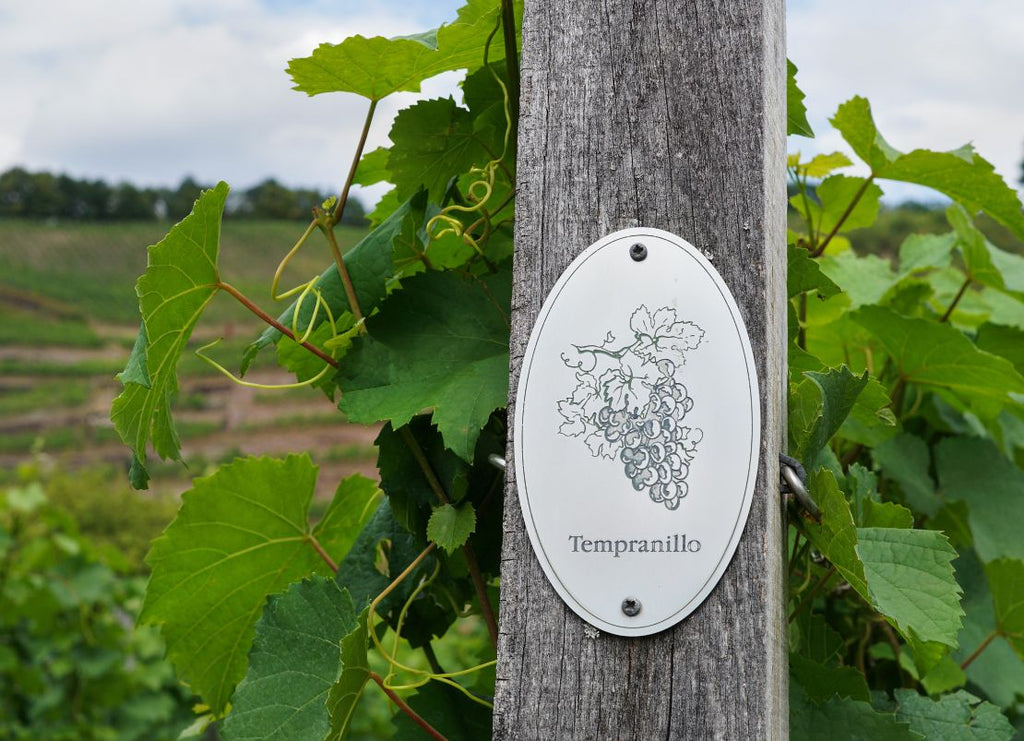
The name provides our first clue about the grape itself. Tempranillo is associated with the Spanish word temprano, meaning early, a reference to its relatively early ripening. Rioja's official grape information describes it as an “early grape” with a short ripening cycle.
That apparently small detail matters because ripening determines much of what eventually arrives at the winery. Sugar, acidity, tannin, colour and aromatic precursors evolve throughout the growing season, and the moment of harvest influences the balance between them. Tempranillo's identity is therefore not simply a set of flavours that a winemaker adds later.
It also reminds us why grape varieties deserve their own alcohol-free wine guides. Dealcoholization occurs near the end of a much longer story. By the time alcohol is removed, decisions about vineyard, ripeness, harvest and fermentation have already shaped the wine that will undergo the process.
One grape, several Spanish names
Tempranillo can become confusing when travelling around Spain because its name changes. In Ribera del Duero, the denomination identifies it as Tempranillo, Tinta del País or Tinto Fino. Rioja also lists synonyms including Cencibel, Tinto Fino, Tinto de Toro, Tinto del País and Ull de Llebre.
Those names do not mean that every wine made under them tastes identical. Place matters. Climate, altitude, soils, vineyard age, yields, harvest timing and winemaking can produce very different expressions of the same underlying grape.
That diversity is one of Tempranillo's strengths. Spain has never had just one Tempranillo style, so there is no reason alcohol-free Tempranillo should eventually be confined to one style either.
Rioja made Tempranillo internationally famous
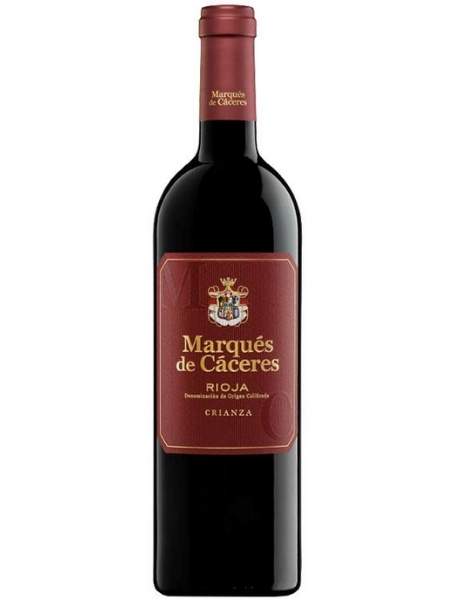
Rioja provides perhaps the best-known international reference point. The denomination regards Tempranillo as its characteristic variety and the core of its red wines, but importantly, the grape is versatile enough there to produce rosé, young reds and wines intended for extended ageing.
This versatility is worth emphasising because consumers sometimes think of Tempranillo primarily through the flavours associated with mature Rioja. Vanilla, toast, spice and other maturation characteristics can become closely associated with the grape in our minds. Yet some of those characteristics are products of ageing and winemaking rather than flavours that automatically exist in every Tempranillo grape.
Rioja itself describes red and black fruits, plums, strawberries, forest fruits and floral notes among Tempranillo's aromatic possibilities, while characteristics such as vanilla, cocoa and liquorice can emerge after longer ageing. This distinction becomes particularly useful when evaluating alcohol-free Tempranillo: the grape and the barrel are two different parts of the story.
Ribera del Duero shows another face of the same grape
Travel west from Rioja and Tempranillo becomes the central red variety of Ribera del Duero. There, the denomination describes the grape as exceptionally well adapted to the region and credits it with much of the characteristic colour, aroma and body of Ribera's reds.
The environment is different, and that matters. Ribera del Duero highlights intense cold, large temperature differences between summer days and nights and the resulting effects on grape maturation. The same grape therefore becomes a vehicle through which different Spanish landscapes express themselves.
This gives us a useful principle for alcohol-free wine too. If we reduce Tempranillo to “red fruit flavour”, we miss most of what makes it interesting. Grape variety provides the foundation, but origin and winemaking determine how that foundation is expressed.
What does Tempranillo actually taste like?
There isn't one flavour that identifies every Tempranillo. Rioja's official description includes red and black fruit, plum, strawberry, forest fruits and floral notes such as violet and wild flowers. Ageing can add another layer of characteristics, which is why mature Tempranillo may seem very different from a young expression of the same variety.
Structure is equally important. Tempranillo is capable of producing wines with sufficient colour, body and tannin to support ageing, but the precise balance depends enormously on origin and winemaking. It should not simply be described as Spain's version of Cabernet Sauvignon because the two grapes have distinct identities.
For alcohol-free wine, this combination of fruit and structure gives the producer useful material with which to work. The challenge is preserving enough of it after ethanol has been removed.
What does alcohol normally contribute to Tempranillo?
Alcohol contributes more than warmth. Ethanol influences body, texture and the way aromatic compounds are perceived, so removing it changes the entire sensory balance of a red wine. A conventional Tempranillo with substantial alcoholic strength can feel broader and fuller partly because ethanol contributes to that sensation.
Once the wine has been dealcoholized, tannin, acidity and fruit remain but are experienced in a different environment. The wine can feel lighter, and structural components that previously sat alongside alcohol can become more exposed. This is one reason red wine remains such an interesting technical challenge for alcohol-free producers.
The objective should not be to disguise that change. A convincing alcohol-free Tempranillo needs to establish a new balance from the components that remain rather than pretending that a major structural component has somehow vanished without consequence.
Tannin becomes particularly important without alcohol
Tempranillo's phenolic structure becomes valuable here. Tannins come largely from grape skins and seeds, with oak potentially contributing additional tannin during maturation. They create the drying, gripping sensation associated with many red wines and provide part of the architecture that distinguishes red wine from simple fruit juice.
Dealcoholization does not mean that every tannin disappears with the ethanol. That gives red-wine producers something structural to retain, but it also creates a balancing problem. Without the same alcoholic body around them, tannins can potentially feel more obvious.
The most successful result is therefore not necessarily the alcohol-free Tempranillo with the most tannin. It is the one in which tannin, acidity, fruit and texture remain proportionate. As with conventional wine, structure matters because of balance, not because more is automatically better.
Oak becomes a more delicate decision too
Tempranillo's association with barrel ageing makes oak particularly interesting in this context. Oak can contribute aroma, tannin and texture, and prolonged maturation has played an important historical role in some of Spain's most famous Tempranillo wines. Yet those characteristics have to be considered differently once alcohol is removed.
A substantial conventional red may have enough body and alcoholic weight to integrate pronounced oak characteristics. After dealcoholization, the same level of oak influence could potentially appear more dominant because the palate has become lighter. More oak is therefore not necessarily the answer to making alcohol-free Tempranillo taste more serious.
This is an important lesson for the category generally. Alcohol-free wine should not compensate for missing alcohol by making everything else louder. Preserving proportion is more sophisticated than replacing one form of intensity with another.
Why blending Tempranillo can make sense
Tempranillo has a long history of appearing in blends, so seeing it combined with other grapes in alcohol-free wine should not be interpreted as a weakness. Blending allows winemakers to work with complementary characteristics from several varieties rather than asking one grape to provide every component of the finished wine.
This becomes particularly interesting after dealcoholization. One variety may contribute useful tannin, another acidity, another aromatic intensity or fruit. The exact purpose of a blend depends on the individual wine, so we should not pretend to know the producer's intention unless they tell us.
What we can see in the current Dis&Dis collection is that our two alcohol-free Tempranillo wines take distinctly different blending approaches. One combines Tempranillo with Cabernet Sauvignon; the other places it alongside two other Spanish varieties.
Elivo Zero-Zero Deluxe Red: Tempranillo meets Cabernet Sauvignon
Elivo Zero-Zero Deluxe Red 2025 is Spanish and combines 60% Tempranillo with 40% Cabernet Sauvignon. Its current alcohol declaration is 0.0%.
The blend itself is interesting because Cabernet Sauvignon brings a different structural reputation from Tempranillo. We should not claim that Cabernet was added specifically to compensate for dealcoholization unless the producer confirms that intention, but combining the two varieties gives the winemaker a broader palette of structural and aromatic material.
It also makes Elivo useful for someone coming to alcohol-free wine from international reds. Tempranillo keeps the wine firmly connected with Spain, while Cabernet Sauvignon is a grape many drinkers already understand. Rather than treating alcohol percentage as the entire identity of the bottle, we can begin by asking how those two varieties behave together.
Cardio Zero takes a much more Spanish route
Cardio Zero Alcohol Free Red Wine offers a very different approach. The current Dis&Dis range identifies it as a Spanish blend of Tempranillo, Mencía and Garnacha Tintorera, carrying a 0% alcohol declaration.
That combination makes the wine particularly interesting for our grape series because all three varieties have their own Spanish context. Mencía is strongly associated with northwestern Spain, while Garnacha Tintorera brings a different phenolic character again. The Dis&Dis listing describes the three varieties as selected for phenolic richness.
Here the story isn't about making Tempranillo imitate Cabernet Sauvignon. It is about using several Spanish varieties as the foundation for an alcohol-free red. That is precisely the direction we find most promising: alcohol-free wine becoming connected to actual wine culture rather than existing as an anonymous alternative beverage.
0% and 0.0% should not be treated as interchangeable
These two wines also give us a useful example of why alcohol declarations need to be reproduced accurately. Cardio Zero is currently presented at 0%, while Elivo Zero-Zero Deluxe Red 2025 is presented at 0.0%.
We preserve those declarations exactly rather than rewriting every alcohol-free wine as “0.0%”. The difference may be irrelevant to the flavour preference of one customer and important to another, but that decision belongs to the customer.
Neither figure tells us which wine will taste better. Alcohol declaration, grape variety, sweetness, tannin, acidity and overall quality are different pieces of information and should remain that way.
Is non-alcoholic Tempranillo sweet?
There is no reason Tempranillo without alcohol must inherently be sweet. Grape variety does not determine the final residual sugar level, and red-fruit aromas should not be confused with sweetness. A wine can smell of strawberry or plum while remaining dry.
Nevertheless, alcohol removal makes sweetness an important consideration because the loss of ethanol changes body and balance. Residual sugar can become more noticeable, particularly if there is insufficient acidity or tannic structure to counterbalance it.
For consumers who strongly prefer dry wine, this is why the individual product description matters more than the word Tempranillo on the bottle. Our guide to dry non-alcoholic wine explores that relationship between sugar, acidity and perceived sweetness in much greater detail.
Does it taste like conventional Tempranillo?
It can retain recognisable characteristics of Tempranillo, but expecting an identical sensory experience is unrealistic. A conventional Spanish red containing 13–14.5% alcohol has a source of warmth and body that a 0% or 0.0% wine simply does not possess. Removing that alcohol necessarily changes the palate.
What we should look for instead is continuity. Does the wine still show red-wine structure? Is there sufficient tannin and acidity? Does the fruit remain defined rather than becoming juice-like? Does the finish make sense as wine?
This is the same standard we discussed in our guide Does Non-Alcoholic Wine Taste Like Wine? Alcohol-free wine becomes much more interesting when we stop demanding a perfect sensory copy and begin examining which elements of the original grape and wine have survived.
How should non-alcoholic Tempranillo be served?
Serving alcohol-free red wine too warm can emphasise softness and make the wine seem heavier or sweeter than intended. Serving it extremely cold, on the other hand, can suppress aroma and make tannin appear more severe. Temperature therefore becomes part of the tasting experience rather than a minor detail.
For a lighter alcohol-free Tempranillo or Tempranillo blend, a slight chill can be useful. Somewhere around 14–16°C is a sensible general starting point for many alcohol-free reds of this type, although the individual producer's recommendation should always take precedence.
Use a proper wine glass rather than treating it as a soft drink. Giving the wine sufficient surface area and allowing it to change slightly as it warms makes it easier to assess aroma, tannin and balance.
What food works with alcohol-free Tempranillo?
Tempranillo's red-wine structure makes it naturally interesting at the table. Grilled vegetables, mushrooms, tomato-based dishes, roasted foods and moderately rich meat dishes can all provide useful starting points, depending on the particular bottle. The objective is to match the intensity of the food to the lighter body of the alcohol-free wine.
This last point matters. A powerful conventional Tempranillo may be capable of standing beside extremely rich food because alcohol, tannin and body give it substantial weight. Its dealcoholized counterpart may retain tannin and flavour while having less physical weight.
Food pairing should therefore respect what the wine has become rather than what its alcoholic equivalent might have been. The absence of alcohol changes structure, and the best pairing works with that new balance.
Frequently asked questions about non-alcoholic Tempranillo
What is Tempranillo?
Tempranillo is one of Spain's most important red grape varieties and is central to regions including Rioja and Ribera del Duero. It can produce young, fruit-driven wine as well as structured wines capable of extended maturation.
Why is Tempranillo called Tinto Fino or Tinta del País?
Tempranillo has several regional synonyms in Spain. Ribera del Duero officially identifies Tempranillo as also being known there as Tinta del País and Tinto Fino, while Rioja lists several additional synonyms.
Is Tempranillo the main grape of Rioja?
Yes. Rioja's Consejo Regulador describes Tempranillo as the denomination's most characteristic variety and the core of its red wines.
Is non-alcoholic Tempranillo just grape juice?
No. Dealcoholized wine is fermented as wine before its alcohol is subsequently reduced or removed. Fermentation fundamentally distinguishes the process from simply bottling unfermented grape juice.
Is alcohol-free Tempranillo sweet?
Not inherently. Sweetness depends on the finished wine's residual sugar and its balance with acidity, tannin and other structural components. Tempranillo's fruit aromas should not automatically be interpreted as sweetness.
Can Tempranillo be blended with Cabernet Sauvignon?
Yes. The current Dis&Dis collection includes Elivo Zero-Zero Deluxe Red 2025, made from 60% Tempranillo and 40% Cabernet Sauvignon at 0.0%.
Does Dis&Dis have a 100% Tempranillo alcohol-free wine?
At present, no—not in the current range we verified for this article. Our alcohol-free Tempranillo appears in blends: Elivo with Cabernet Sauvignon and Cardio Zero with Mencía and Garnacha Tintorera.
That is worth saying rather than pretending otherwise. It also gives us something interesting to revisit as the alcohol-free Tempranillo category develops.
Tempranillo without alcohol is really a question about Spanish wine
The most interesting thing about non-alcoholic Tempranillo isn't whether technology can produce something red, fruity and alcohol-free. The question is whether one of Spain's defining wine grapes can carry enough of its identity through fermentation and dealcoholization to remain recognisable as part of Spanish wine culture.
Tempranillo gives producers useful material: fruit, colour, tannin and the ability to work with other varieties. What alcohol removal takes away is significant, particularly in body and warmth, but it does not erase the grape or everything that happened before dealcoholization.
Perhaps that is the better way to understand the future of alcohol-free red wine. The goal isn't to create one generic red without alcohol. It is to reach the point where Tempranillo still feels different from Cabernet Sauvignon, Merlot still feels different from Syrah, and the choice of grape matters as much as the number printed beside ABV.
For Tempranillo—a grape that has spent centuries expressing different parts of Spain—that distinction matters.
Related post
27
Oct
22
Oct
20
Oct