
Non-Alcoholic Sparkling Wine: Why Bubbles Work So Well Without Alcohol
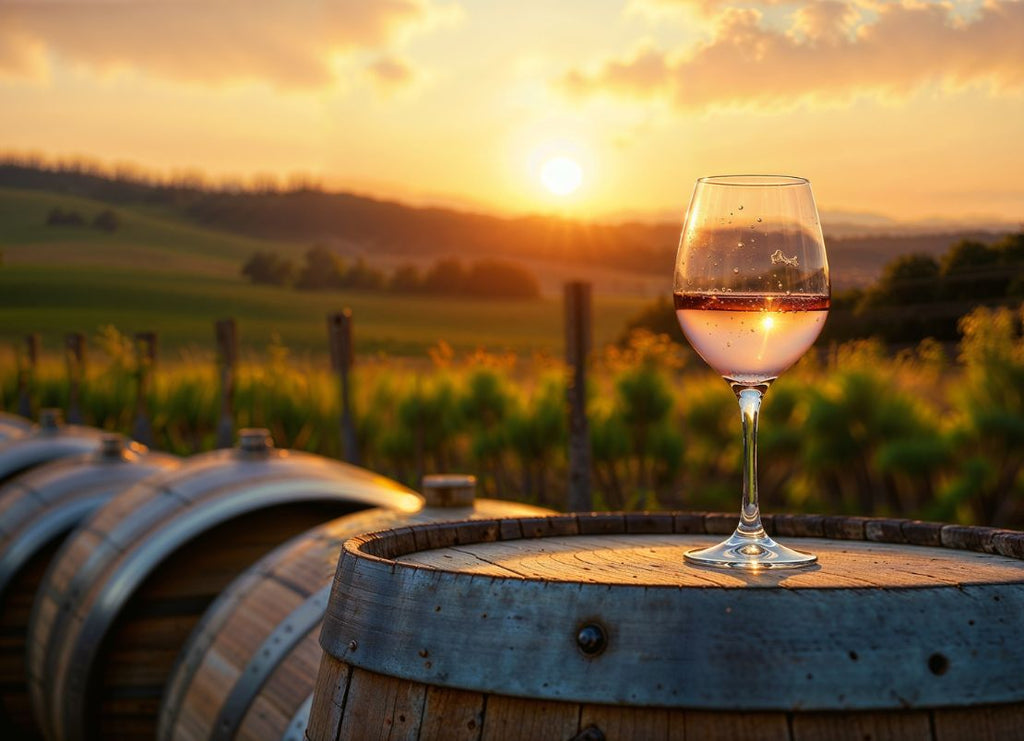
There is something curious about the evolution of alcohol-free wine. Red wine has had to prove that it can retain structure without alcoholic weight, white wine has had to preserve aroma and texture, and rosé has had to balance delicacy with freshness. Sparkling wine, however, begins with something the others do not have: bubbles.
That apparently simple difference changes the experience considerably. Carbon dioxide creates movement and sensation across the palate, acidity provides tension, and the combination can make a wine feel energetic even when ethanol is absent. The bubbles do not replace alcohol chemically or sensorially, but they give the winemaker another structural element with which to work.
Perhaps this is why sparkling wine feels so natural within the alcohol-free category. It doesn't need to imitate the warmth of a 14% red wine to create presence in the mouth. It has another route to structure—and understanding that route explains why some of today's most interesting non-alcoholic wines sparkle.
What makes sparkling wine sparkle?
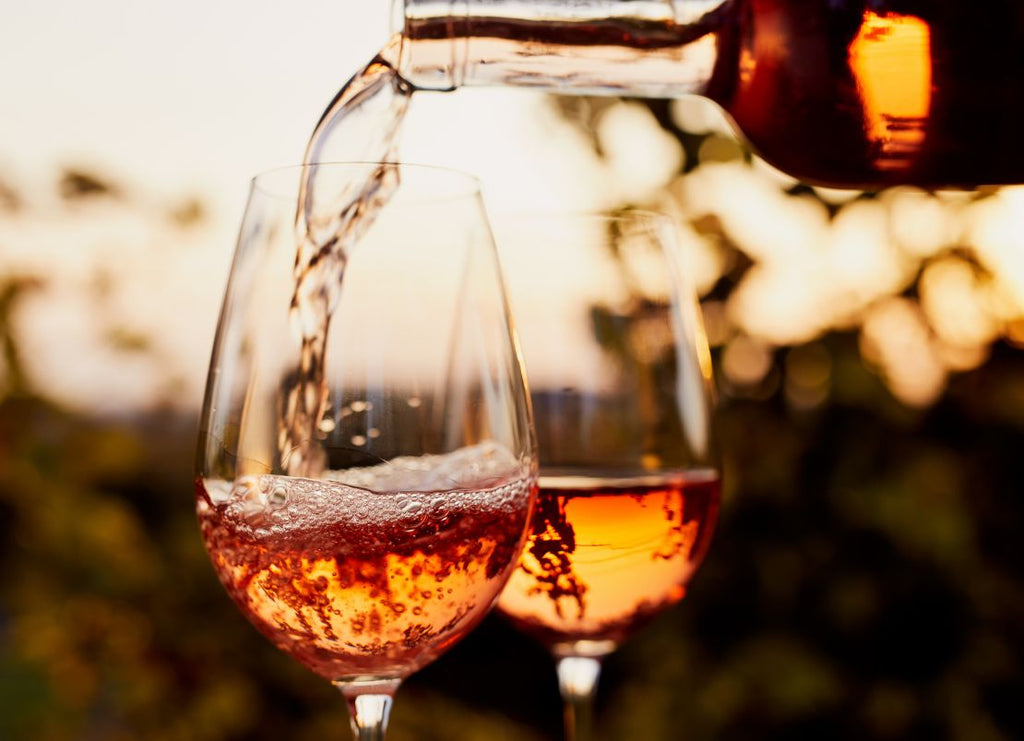
The bubbles in sparkling wine are carbon dioxide. When carbon dioxide is dissolved in wine under pressure, it remains largely dissolved until the bottle is opened and the pressure drops. Once the wine reaches the glass, the gas gradually escapes and forms the bubbles we associate with sparkling wine.
The precise way that carbonation enters a wine depends on the production method. In traditional sparkling-wine production, a secondary fermentation can generate carbon dioxide naturally inside a sealed bottle. Other sparkling wines undergo secondary fermentation in a pressurised tank, while carbonation can also be introduced directly.
That distinction remains important in alcohol-free wine because there is no single universal production method. A bottle being sparkling and alcohol-free tells us the result, but not automatically the complete story of how the producer arrived there. As always, producer information matters.
Why bubbles matter more when alcohol disappears
Alcohol is part of wine's structure. It contributes weight, viscosity and warmth, which is why removing it can leave a still wine feeling lighter even when much of the original aroma, acidity and flavour remains. The winemaker then has to find a convincing balance without that alcoholic weight.
Sparkling wine has an additional sensory component. Carbonation creates tactile stimulation in the mouth, while the release of carbon dioxide helps carry volatile aromas towards our nose. Together with acidity, that can make the wine feel lively and expressive despite its lower alcoholic weight.
It would be an exaggeration to say that bubbles simply replace alcohol. They don't. A carbonated drink and an alcoholic wine produce fundamentally different sensations. But in a carefully made non-alcoholic sparkling wine, effervescence gives the palate something that a still dealcoholized wine does not have.
Acidity is the other half of the equation
Bubbles alone cannot make a good sparkling wine. If the base wine lacks sufficient freshness, carbonation can produce fizz without producing balance. Acidity is what gives many successful sparkling wines their precision and makes the finish feel clean rather than soft.
This becomes especially useful after dealcoholization. Removing alcohol changes the relationship between fruit, sweetness and texture, so naturally useful acidity can help maintain definition. It is the same reason we have repeatedly encountered acidity in our guides to Riesling, Sauvignon Blanc and Pinot Noir.
In sparkling wine, however, acidity and carbonation work simultaneously. One provides chemical freshness and the other physical sensation. That combination is a powerful reason sparkling wine deserves to be considered as its own alcohol-free category rather than simply a celebratory version of still wine.
Why sparkling wine can taste less obviously “alcohol-free”
People tasting non-alcoholic wine for the first time often notice what is missing before they notice what remains. In a still red, the absence of alcoholic warmth and body can be obvious because those characteristics are such familiar parts of the conventional style. Sparkling wine changes the sensory focus.
The first impression is frequently freshness, bubbles and aroma. The physical activity of carbonation gives the palate an immediate point of interest, while serving the wine chilled further emphasises freshness. The drinker may consequently spend less time looking for the warmth that would have been supplied by ethanol.
This doesn't mean every alcohol-free sparkling wine automatically succeeds. Sweetness can still be excessive, acidity can be insufficient and bubbles can be coarse or short-lived. But the style gives producers a particularly useful set of tools.
Sparkling wine is not synonymous with Champagne
This distinction matters enormously. Champagne is a protected geographical designation for sparkling wine produced in the Champagne region of France under its applicable rules. A sparkling wine produced somewhere else does not become Champagne merely because it contains bubbles.
The same applies when alcohol is removed. Calling every premium alcohol-free sparkling wine “non-alcoholic Champagne” may be convenient search language, but it is not an accurate description of what is in the bottle. French sparkling wine from another region, Italian Glera, Spanish sparkling wine and German sparkling wine each have their own identities.
For Dis&Dis, that distinction is particularly useful because our collection is internationally diverse. The purpose isn't to find one bottle pretending to be something it isn't. It is to understand the different grapes and wine traditions producers are bringing into the alcohol-free sparkling category.
And not every Italian sparkling wine is Prosecco
Prosecco presents a similar issue. Glera is the principal grape associated with Prosecco, but the grape itself is not the geographical denomination. A sparkling wine made from Glera does not automatically become Prosecco simply because the variety is the same.
That matters in our collection because Zero Vegan Alcohol Free Sparkling Wine is made from Glera in Veneto and carries a 0% alcohol declaration. The current Dis&Dis product information identifies the producer as Anna Spinato, a family winery founded in 1952 on the banks of the Piave River.
For a Prosecco drinker, Glera provides a useful stylistic reference point. But describing the wine through its actual grape and producer is more informative than trying to force it into another denomination. Alcohol-free wine becomes more credible when we allow it to establish its own identity.
Chardonnay brings a completely different sparkling tradition
Chardonnay occupies a special place in sparkling wine. It is one of the classic Champagne varieties and the sole grape behind the traditional meaning of Blanc de Blancs in Champagne when the wine is made entirely from white Chardonnay. Beyond Champagne, Chardonnay is also widely used in sparkling wine around the world.
This makes it a fascinating grape for alcohol-free sparkling production because it already has a long history of working with acidity, bubbles and extended winemaking techniques. Our collection includes Elivo Zero Zero Deluxe Sparkling, a Spanish Chardonnay sparkling wine carrying a 0% alcohol declaration.
The grape also gives customers a bridge between categories. Someone who has already explored non-alcoholic Chardonnay as a still wine can experience what happens when carbonation becomes part of the structure. Same grape, completely different architecture.
Sauvignon Blanc shows that sparkling wine does not need Chardonnay
Sauvignon Blanc is much more strongly associated with still white wine than with the world's famous traditional sparkling regions. Its pronounced aromatic character and acidity, however, make it an intriguing base for alcohol-free sparkling wine.
Nooh Blanc Sparkling from Château La Coste in Provence is based on Sauvignon Blanc and currently carries a 0% alcohol declaration. No Limit Alcohol Free Sparkling Wine also uses Sauvignon Blanc and is listed at 0%, while Tip Top Alcohol Free Sparkling Wine combines Sauvignon Blanc and Sémillon and carries a <0.5% declaration.
Three wines built around Sauvignon Blanc can therefore occupy the same broad alcohol-free category while having different producers, blends and alcohol declarations. This is precisely why choosing sparkling wine only by the words “non-alcoholic” tells us too little.
Colombard deserves more attention
Colombard may not have Chardonnay's international fame, but it is an important grape in southwest France and can produce wines with considerable freshness and aromatic energy. Those characteristics become especially useful when alcoholic body is reduced.
Moderato Cuvée Original Le Pétillant provides the Dis&Dis collection with a French sparkling expression based on Colombard. The current product listing gives it a 0% alcohol declaration and identifies the grape with Gascony.
This is exactly the kind of wine that makes the alcohol-free category more interesting. If every sparkling wine were based on Chardonnay or Glera, the category would quickly become predictable. Lesser-known varieties allow producers to preserve regional identity while exploring new technology.
Spain brings its own sparkling vocabulary
Spain has a deep sparkling-wine tradition built around varieties including Xarel·lo, Macabeo and Parellada. These grapes are closely associated with Cava, although—just as with Champagne and Prosecco—the protected denomination should not automatically be applied to every sparkling wine made from the same grapes.
The current Dis&Dis collection includes Villa Conchi 0,0 Sparkling Wine, made from Xarel·lo, Macabeo, Parellada and Chardonnay and listed at 0% alcohol. Those first three grapes are immediately familiar from traditional Spanish sparkling wine, while Chardonnay introduces an international variety into the blend.
That makes this bottle particularly interesting in the context of alcohol-free wine. The producer is not beginning with an anonymous sparkling base. The grape composition has a clear relationship with Spain's existing sparkling-wine culture.
France, Italy, Spain and Germany do not need to taste the same
The diversity of the Dis&Dis sparkling collection makes an important point. We currently carry alcohol-free sparkling wines from France, Italy, Spain and Germany, involving grapes ranging from Chardonnay and Sauvignon Blanc to Glera, Colombard, Grenache, Pinot Blanc, Sylvaner and classic Spanish sparkling varieties.
If alcohol-free sparkling wine develops successfully as a serious category, these differences should become more obvious rather than less. Italian Glera shouldn't have to taste like French Sauvignon Blanc, and Spanish Xarel·lo blends shouldn't be judged according to whether they imitate Chardonnay.
This is the same argument we have made throughout our grape series. The future becomes interesting when the alcohol percentage stops being the wine's only identity.
What does “Blanc de Blancs” actually mean?
Blanc de Blancs literally means “white from whites”. In its broadest sense, it describes a white sparkling wine made from white grapes rather than dark-skinned varieties. In Champagne, the term is especially associated with Chardonnay, although the appellation permits other authorised white varieties.
The expression matters because consumers sometimes interpret it as a synonym for Champagne itself. It isn't. A producer outside Champagne can make a sparkling Blanc de Blancs, but that does not make the wine Champagne.
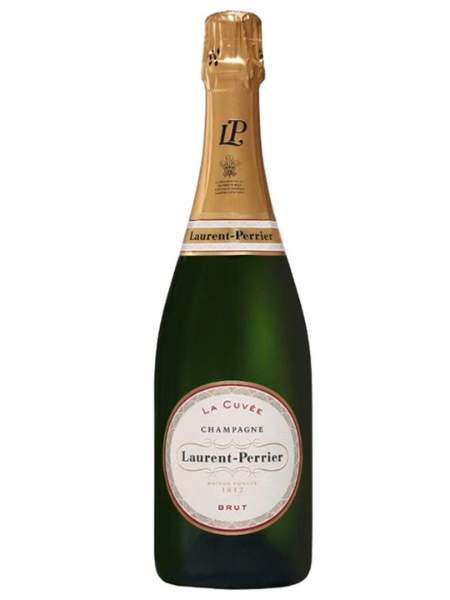
Our range includes La Cuvée 2022 Blanc de Blancs, a French Chardonnay-based alcohol-free sparkling wine. The current Dis&Dis collection lists it at 0%, even though other descriptive copy around the product uses “0.0%” wording, so for editorial accuracy we would preserve the formal current product specification rather than silently choosing the more precise-looking figure.
Does alcohol-free sparkling wine contain sugar?
It can. Sparkling wine needs balance between acidity, fruit, carbonation and sweetness, and alcohol removal changes that balance further. Some producers therefore retain or use sweetness differently to give the wine sufficient body after ethanol has been removed.
But sparkling does not automatically mean sweet, just as alcohol-free does not automatically mean sweet. A wine can smell strongly of apple, peach or citrus while remaining relatively dry because fruit aroma and residual sugar are different things.
This is why customers looking for a particularly dry style should examine the individual product rather than assuming all sparkling wine has the same sweetness. Our guide to dry non-alcoholic wine explains in more detail why residual sugar, acidity and perceived sweetness need to be considered together.
Brut, Extra Dry and Dry can be surprisingly confusing
One of sparkling wine's great linguistic traps is that words such as Brut, Extra Dry and Dry do not necessarily mean what a newcomer expects from ordinary English. In established sparkling-wine terminology, Brut is generally drier than styles labelled Extra Dry, while “Dry” can actually indicate a sweeter category again.
The precise legal sugar ranges depend on the applicable wine rules and category, so the safest approach when choosing an alcohol-free bottle is to examine the producer's own technical information rather than relying solely on everyday interpretations of those words.
This becomes particularly important in a developing category where products from different countries may be made and labelled under different regulatory frameworks. A familiar term on the front label should be the beginning of the investigation, not the end.
What about 0%, 0.0% and <0.5%?
Our sparkling collection demonstrates why these declarations need to remain precise. Many current bottles are listed at 0%, while Nomora Cuvée Blanc and Tip Top Alcohol Free Sparkling Wine are listed at <0.5%.
We do not convert these into a universal “0.0%” claim. For someone choosing purely according to taste, the distinction may have little relevance, but for another customer it may be essential. Accurate information allows each person to make that decision themselves.
Nor does a lower number automatically mean better wine. Alcohol percentage tells us about alcohol; it does not tell us about bubble quality, acidity, aroma, sweetness or balance.
Why serving temperature matters
Sparkling wine is normally served chilled for good reason. Lower temperature helps preserve dissolved carbon dioxide, while also emphasising freshness and controlling the perception of sweetness. Allow the wine to become too warm and the bubbles escape more rapidly while the palate may begin to feel broader.
Extremely cold wine has its disadvantages too. Very low temperatures suppress aroma, potentially hiding exactly the grape character and complexity we are trying to preserve in premium alcohol-free wine.
The individual producer's serving recommendation should always take precedence. As a broad practical principle, serve alcohol-free sparkling wine properly chilled and then allow it to evolve naturally in the glass rather than keeping it almost frozen.
The glass matters more than people think
The traditional narrow flute has one obvious advantage: it presents a beautiful column of bubbles and reduces the surface area through which carbon dioxide can escape. For highly aromatic or complex sparkling wines, however, a slightly wider sparkling or white-wine glass can make it easier to smell the wine.
This is particularly relevant to alcohol-free sparkling wine. If grape aroma and fermentation character are important parts of what remains after dealcoholization, suppressing them in an extremely narrow glass can work against the wine.
There is no need to turn glassware into a rigid rule. The useful principle is simply to give the wine enough room to show its aroma while still preserving its effervescence.
Why sparkling wine works so well with food
Acidity and carbonation make sparkling wine remarkably versatile at the table. Acidity provides freshness, while bubbles create a cleansing physical sensation that can be useful with salty, creamy or fried foods. Alcohol-free sparkling wine retains those structural advantages without conventional alcoholic strength.
Seafood, sushi, fresh cheeses, vegetable dishes and lighter appetisers are natural places to begin, although the grape and sweetness of the individual wine should guide the final pairing. A Sauvignon Blanc sparkling wine and a Glera sparkling wine should not automatically receive identical food recommendations merely because both contain bubbles.
Sparkling wine can therefore move well beyond the aperitif. One of the most interesting developments for alcohol-free wine will be seeing it treated as a genuine dining option rather than something poured only for the toast.
Is non-alcoholic sparkling wine just sparkling grape juice?
No—not when we are talking about dealcoholized sparkling wine. Wine is first produced through fermentation and its alcohol is subsequently reduced or removed. Fermentation creates a different aromatic and chemical environment from unfermented grape juice.
This distinction is particularly important because products from both categories can appear visually similar. Dis&Dis, for example, also lists Gocce di Luna as a non-alcoholic organic sparkling grape drink. That is explicitly a sparkling grape-juice product, whereas the collection also contains wines produced through dealcoholization.
Neither product needs to pretend to be the other. But consumers deserve to know the difference, particularly when they are specifically looking for the flavour and production history of wine.
How to choose an alcohol-free sparkling wine
Start with the grape rather than the bubbles. A Glera-based Italian wine, a Chardonnay sparkling wine, a Sauvignon Blanc from France and a Spanish Xarel·lo-Macabeo-Parellada blend have fundamentally different starting points. Knowing what you already enjoy in conventional wine can narrow the choice considerably.
Then look at sweetness, producer and alcohol declaration. Decide whether you want 0%, 0.0% or whether <0.5% is suitable for your circumstances, and check the individual wine rather than relying on category-wide assumptions. If dryness matters strongly to you, look specifically for the producer's sweetness information.
Finally, think about how you will drink it. An aperitif, a full dinner, a wedding toast and a bottle opened casually on a Friday evening place different demands on a wine. The alcohol-free category is now broad enough that “something sparkling” no longer needs to be the entire selection criterion.
Frequently asked questions about non-alcoholic sparkling wine
Is non-alcoholic sparkling wine actually wine?
Dealcoholized sparkling wine begins as fermented wine before alcohol is reduced or removed. This distinguishes it from sparkling grape juice, which has not undergone the same alcoholic fermentation.
Is non-alcoholic sparkling wine the same as non-alcoholic Champagne?
No. Champagne is a protected geographical designation. Alcohol-free sparkling wines produced elsewhere should not automatically be called Champagne simply because they contain bubbles.
Is alcohol-free Prosecco really Prosecco?
Glera is the principal grape associated with Prosecco, but making a sparkling wine from Glera does not by itself make that wine Prosecco. The protected denomination involves geographical and production requirements as well as grape variety.
Is non-alcoholic sparkling wine sweet?
It can be dry or sweeter depending on the individual wine. Fruit aromas should not be confused with residual sugar, and acidity can significantly influence the perception of sweetness.
Why does sparkling wine work well without alcohol?
Carbonation creates texture and physical sensation while acidity provides freshness. Those characteristics can help give the wine structure after the body and warmth contributed by ethanol have been reduced.
What grapes are used for alcohol-free sparkling wine?
There is no single required grape. The current Dis&Dis range includes examples involving Chardonnay, Sauvignon Blanc, Sémillon, Colombard, Glera, Grenache, Pinot Blanc, Sylvaner, Xarel·lo, Macabeo and Parellada.
What is the difference between alcohol-free sparkling wine and sparkling grape juice?
The fundamental difference is fermentation. Dealcoholized wine has undergone alcoholic fermentation before the alcohol is removed or reduced; ordinary sparkling grape juice has not followed that same wine-production path.
Bubbles give alcohol-free wine another way to be complete
The most interesting thing about non-alcoholic sparkling wine isn't that it allows someone to make a toast without conventional alcohol. That is useful, but it reduces an entire wine category to an occasion.
The more interesting story is structural. Removing ethanol inevitably takes something away from wine, particularly body and warmth. Sparkling wine responds not by recreating ethanol but by relying on something it already possesses: acidity, aroma and the physical energy of carbon dioxide.
That is why the category has so much potential. A good alcohol-free sparkling wine doesn't need to pretend the alcohol is still there. The bubbles give the wine another way to feel complete.
And once we start choosing between Chardonnay, Sauvignon Blanc, Glera, Colombard and Spanish sparkling varieties rather than simply asking for “the non-alcoholic option”, alcohol-free sparkling wine has taken an important step forward.
Related post
27
Oct
22
Oct
20
Oct