

Non-Alcoholic Wine During Pregnancy: The Complete Guide to Safe, Sophisticated Choices
Pregnancy changes everything — including what's in your glass. For nine months, wine lovers who are expecting often face a quiet grief over one of life's small pleasures: the ritual of pouring a beautiful glass, the smell of oak and fruit, the satisfaction of a well-chosen bottle at dinner.
The good news? Premium non-alcoholic wine has transformed beyond recognition in recent years. We're no longer talking about sweet, thin grape juice. Today's dealcoholized wines are crafted by serious winemakers using sophisticated technology — and the result can be genuinely, pleasurably close to the real thing.
This guide covers everything expectant mothers need to know: what non-alcoholic wine actually is, whether it's truly safe during pregnancy, what to look for on the label, and our curated recommendations for the best bottles to enjoy across all nine months.
What Is Non-Alcoholic Wine, Exactly?
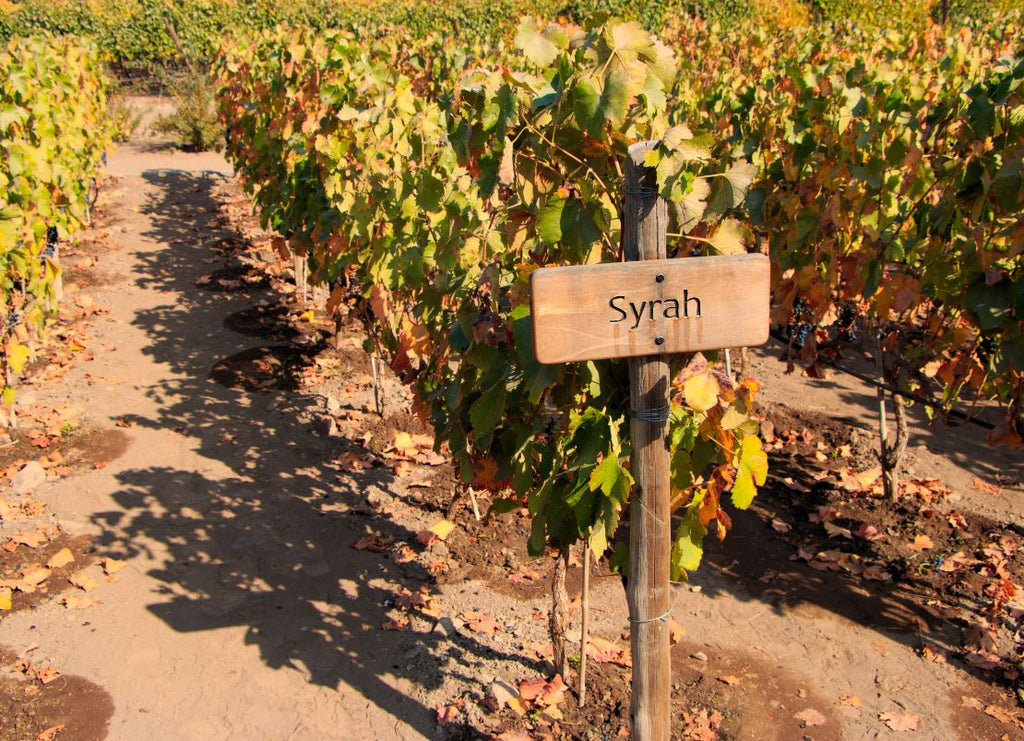
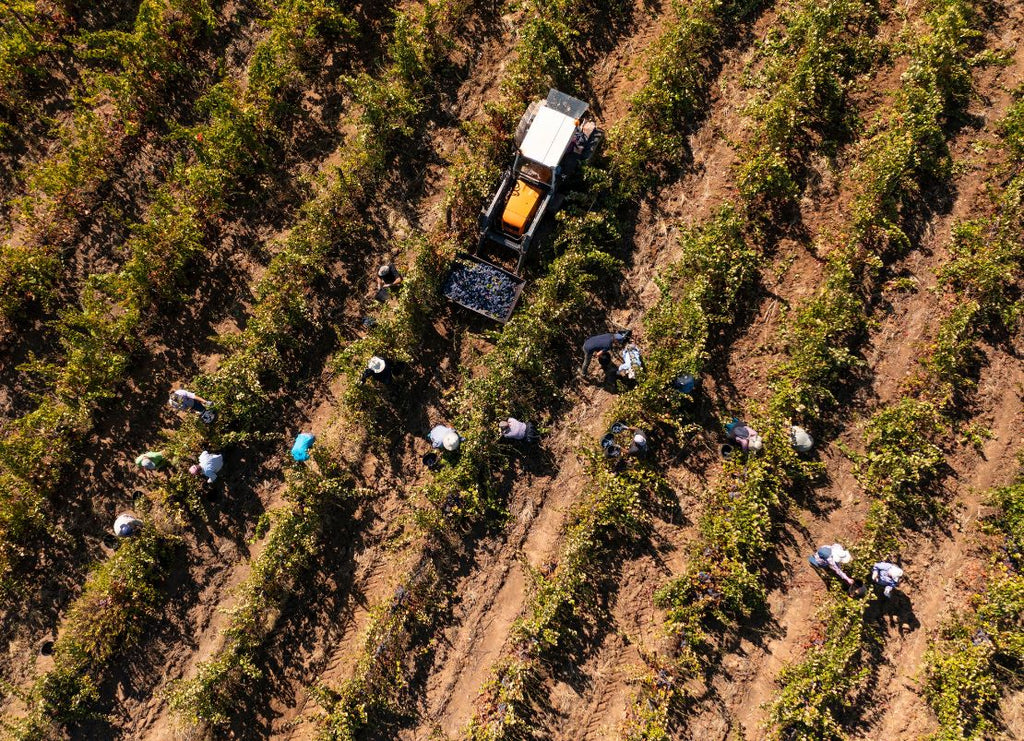
Non-alcoholic wine starts its life exactly as conventional wine does. Grapes are grown, harvested, and fermented in the traditional way. The wine develops its full character — its tannins, acidity, aromas, and complexity — through the same winemaking process used for any quality bottle.
The difference comes at the end. Once the wine is complete, the alcohol is carefully removed using one of two main methods: vacuum distillation (which reduces the temperature needed to evaporate alcohol, preserving delicate aromas) or reverse osmosis (which separates alcohol through a membrane process while retaining flavour compounds). The best producers use a combination of both.
The result is a wine that typically contains less than 0.5% ABV — the internationally recognised threshold for 'alcohol-free'. For context, this is similar to the trace alcohol naturally present in some fruit juices and ripe bananas.
Is Non-Alcoholic Wine Safe During Pregnancy?
This is the question every expectant mother asks first — and rightly so. The consensus among health authorities is that zero alcohol is the safest position during pregnancy. So let's address the trace alcohol question directly.
Most premium dealcoholized wines contain 0.0–0.5% ABV. At 0.5% ABV, a standard 150ml glass contains roughly 0.6ml of pure alcohol — a quantity so small it's comparable to what's naturally present in orange juice or bread. Major health bodies including the NHS and WHO acknowledge this threshold in their definitions of 'alcohol-free'.
That said, every pregnancy is different. We always recommend consulting your midwife or obstetrician before introducing any new food or drink into your diet during pregnancy. They know your individual circumstances and can give personalised guidance.
What we can say is this: many pregnant women across Europe enjoy premium dealcoholized wine as part of a mindful, celebratory approach to nine months without alcohol — and do so with the knowledge that the trace alcohol content is minimal and well within accepted thresholds.
What to Look For on the Label
Not all non-alcoholic wines are created equal. Here is what to check when choosing a bottle:
• ABV below 0.5%: Look for '0.0%' or '<0.5% ABV' clearly stated on the label.
• Dealcoholized, not just 'low alcohol': True dealcoholized wine has had the alcohol removed after fermentation — this is different from 'low alcohol' wine which is simply made with less fermentation.
• No artificial sweeteners: Some producers add sugars or artificial sweeteners to compensate for the flavour loss from alcohol removal. Premium bottles rely on the grape's natural character instead.
• Reputable producer: The best non-alcoholic wines come from established wineries with conventional wine heritage — not brands created solely for the alcohol-free market.
• European production: European winemakers are generally ahead on dealcoholization technology, and EU labelling regulations require accurate ABV disclosure.
Our Top Recommendations for Pregnant Wine Lovers
At Dis&Dis, every bottle in our non-alcoholic collection is selected with the same rigorous standards we apply to our premium wine portfolio. Here are our top picks for expectant mothers:
For Celebrations & Toasts
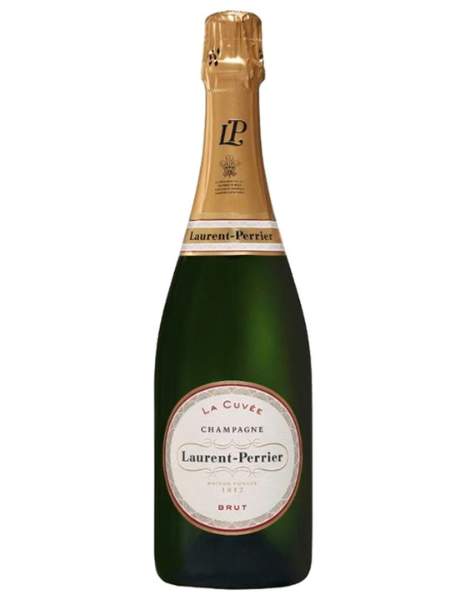
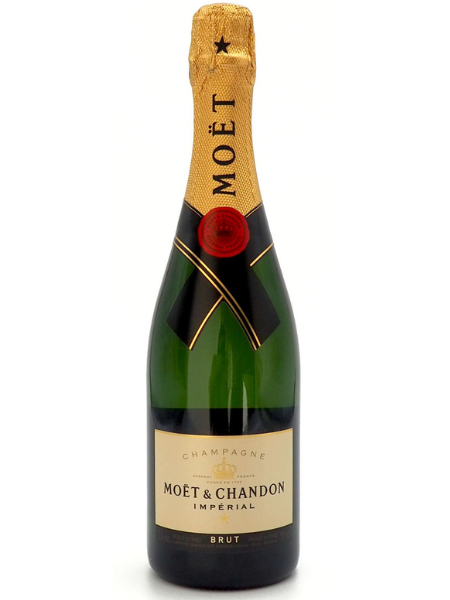
Nothing replaces the ceremony of a sparkling wine moment. Our non-alcoholic sparkling collection includes beautifully crafted Cava-style and Champagne-method options that deliver the bubbles, the elegance, and the sense of occasion — without a drop of alcohol. Perfect for announcing a pregnancy, toasting at a baby shower, or simply marking the end of a long week.
For Dinner Pairings
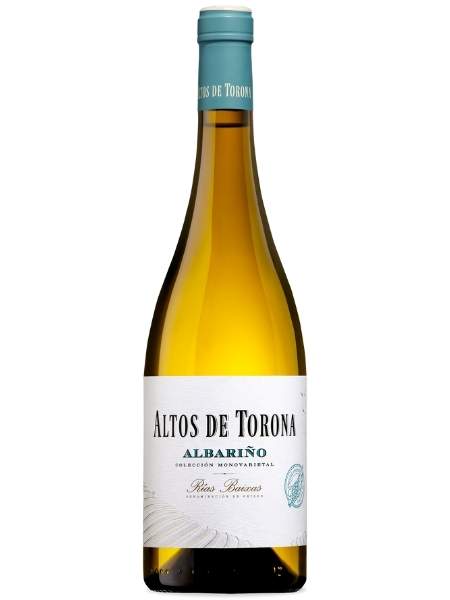
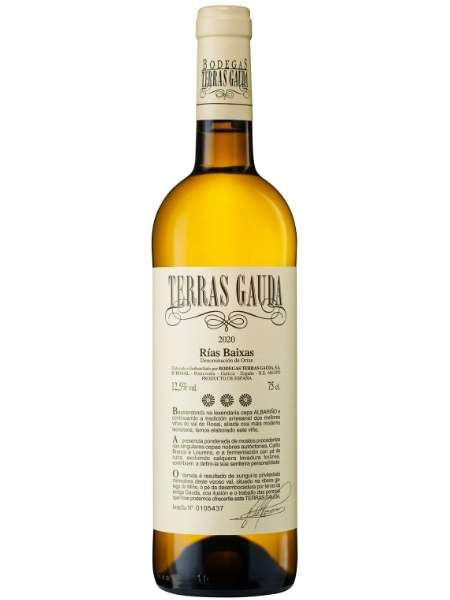
Dealcoholized white wines pair beautifully with the light, fresh foods many pregnant women favour — salads, fish, white meat, pasta. Our non-alcoholic white wine collection includes options ranging from crisp, mineral Sauvignon Blancs to rounder, more textured whites that hold up beautifully alongside a main course.
For heartier dishes, our non-alcoholic red wine selection offers structured, fruit-forward options that pair with red meat and pasta, delivering the satisfaction of a proper red wine pairing without the alcohol.
For Everyday Enjoyment
Pregnancy is nine months — and you deserve to enjoy something special more than just on occasions. Our non-alcoholic rosé wines are perfect for everyday moments: light, fresh, food-friendly, and genuinely delicious.
Frequently Asked Questions
Can I drink non-alcoholic wine in the first trimester?
The first trimester is when many health professionals advise the greatest caution around alcohol. As all reputable dealcoholized wines contain less than 0.5% ABV, many pregnant women do choose to enjoy them even in the first trimester — but this is a personal decision best discussed with your healthcare provider.
Does non-alcoholic wine have the same antioxidants as regular wine?
Yes — many of the beneficial polyphenols and antioxidants in wine, including resveratrol, survive the dealcoholization process. This is one reason non-alcoholic wine is considered a more sophisticated option than grape juice, which is simply unfermented and lacks wine's complexity and nutritional profile.
Will non-alcoholic wine satisfy wine cravings during pregnancy?
For many expectant mothers, premium dealcoholized wine comes remarkably close. It won't be identical to the alcoholic version — alcohol does contribute to wine's body and texture — but the aromas, the acidity, the fruit character, and the ritual of a beautiful glass can be genuinely satisfying. Many of our customers tell us they continue drinking non-alcoholic wine long after their pregnancy ends.
Related post
06
Oct
01
Oct