
Empordà: The Catalan Wine Region Nobody Is Writing About Yet
Catalonia is not short of famous wine. Cava comes from here. Priorat — one of only two DOCa-classified regions in Spain — comes from here. Penedès, the source of the country's most technically accomplished white wines, comes from here. Catalonia has been producing wine that the rest of the world notices for decades.
Empordà, tucked into the far northeastern corner of the peninsula where the Pyrenees meet the Costa Brava and the tramuntana wind blows cold and relentless off the mountains, is the part of Catalonia the rest of the world hasn't quite noticed yet.
That is about to change.
Where Empordà Is
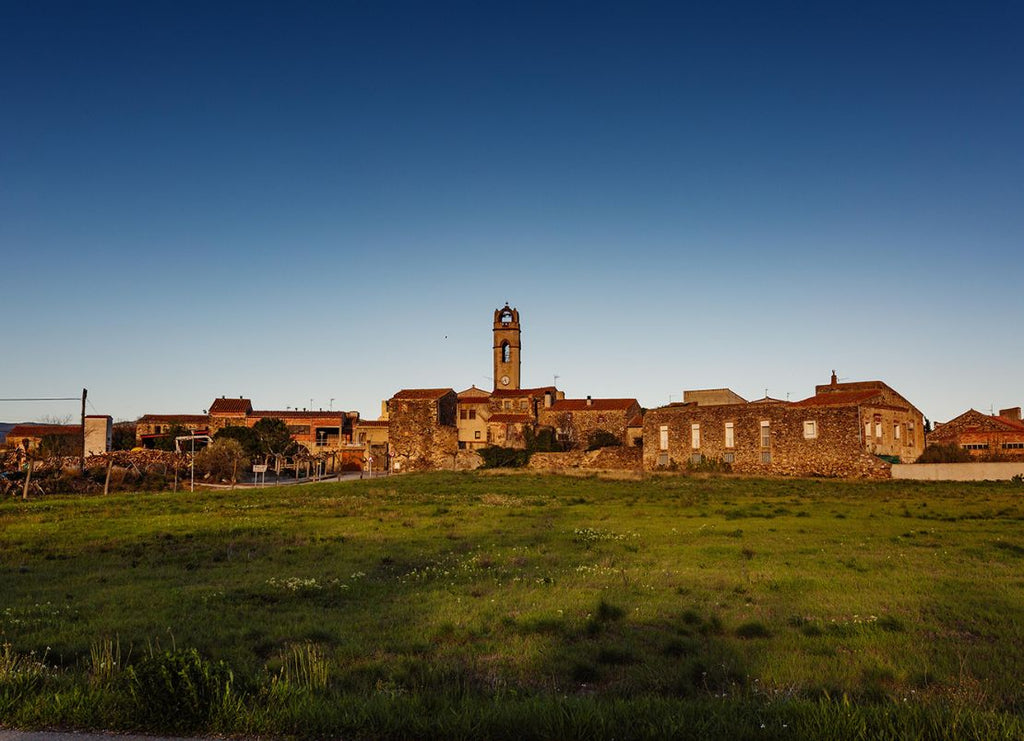
Empordà sits in the Girona province, bordered to the north by the French frontier, to the east by the Mediterranean, and to the west by the Pyrenean foothills. It is one of the oldest wine-producing regions in the Iberian Peninsula — Greek colonists planted vines here in the 6th century BC, long before the Romans arrived and long before the appellations that now dominate international conversations about Spanish wine even existed.
The landscape is dramatic in a way that photographs don't fully capture. The coastline is rocky and jagged, the Cap de Creus headland jutting into the sea at the easternmost point of mainland Spain. The inland valleys are sheltered and fertile. And above everything, constant and unforgiving, blows the tramuntana — a cold, dry north wind that shapes both the terrain and the character of everything grown in it.
Dalí lived here. His museum in Figueres sits at the heart of the appellation, and the surreal, vertiginous quality of his work reflects, in its own way, what this landscape actually feels like: both deeply Mediterranean and somehow alien, sunlit and windswept at the same time.
The Tramuntana: A Wind That Makes Wines Differently
Most wine regions manage climate as a benign background condition — enough sun, enough warmth, manageable rainfall. Empordà manages the tramuntana as an active force that affects everything. The wind desiccates the soil, reduces humidity dramatically, and tears at the vines with enough force that traditional low-trained bush vines — gobelet training — were historically preferred over trellised systems because they offered less wind resistance and could be harvested without excessive damage.
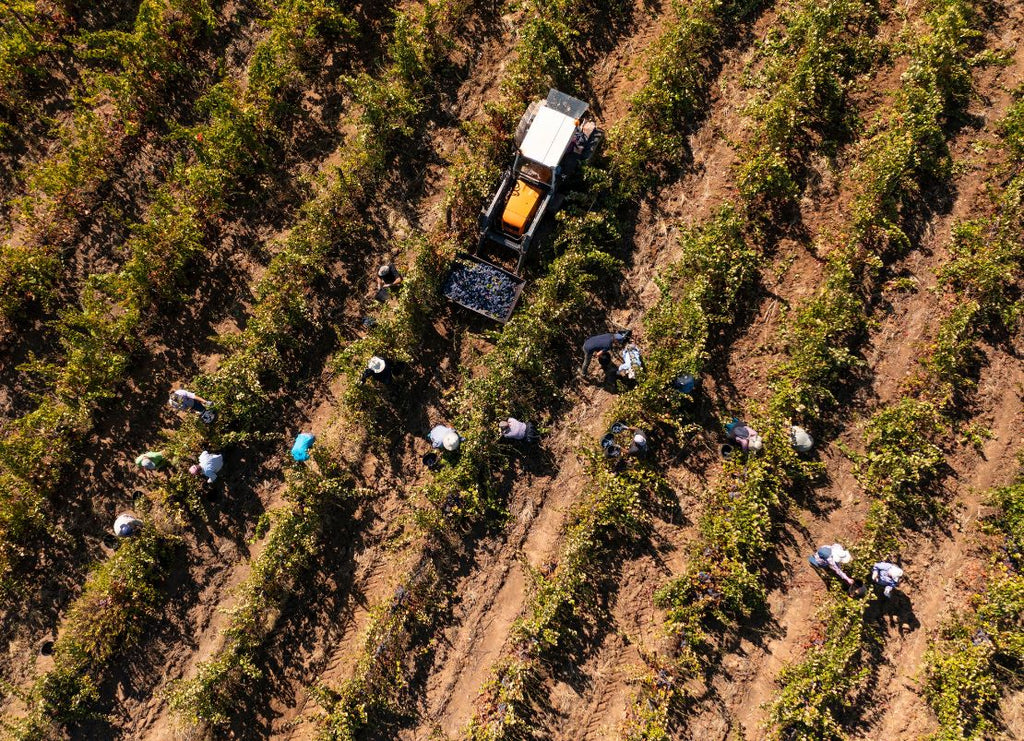
The viticultural consequence of living in a wind-scoured landscape is a specific one: very low disease pressure. The tramuntana keeps the vineyards dry and the air moving, which means grapes here develop without the fungal pressure that plagues many other coastal Mediterranean regions. That allows growers to farm with less intervention — which is why organic viticulture has found such a natural home in Empordà.
The Grapes: Old Varieties Alongside New Arrivals
Empordà's traditional red varieties are Garnacha Negra and Samsó — the local name for Carignan, the variety that produces the most distinctive and age-worthy wines in the appellation when grown on old vines. Both were widely planted here before phylloxera, both survived in pockets of old planting through the 20th century, and both are now being rediscovered by a generation of growers who understand that the most interesting thing about Empordà is not its capacity to grow international varieties but its native ones.
For whites, Garnacha Blanca, Moscatel, Macabeo, and Xarel·lo are the regional varieties — the last two also the backbone of Cava production further south. The white wines of Empordà tend toward freshness and aromatic expressiveness rather than weight and body, shaped by the cooling influence of both the wind and the proximity to the sea.
Three Producers, Three Different Arguments for the Same Region
Roig Parals is the Empordà story in miniature. The family has farmed in Mollet de Peralada since 1896, when they replanted their vineyards after phylloxera destroyed everything, bringing back Carignan (Samsó) material from France alongside the native varieties. The current generation has converted entirely to organic farming across their twelve hectares, and the estate's signature wine — Camí de Cormes Negre — is built on Carignan from centennial vines: over a hundred years old, low-yielding, producing tiny quantities of intensely concentrated fruit that carries the mineral, coastal character of the appellation in every glass. The rosé, Mallolet, is made from Black Grenache off 80-year-old bush vines harvested during the third week of September, fermented cold in steel, and bottled with nothing added — the clearest possible expression of what the grape tastes like on this specific piece of coastal Catalan land.
Celler Viníric represents the newer wave of Empordà winemaking. Founded by David Saavedra after stints in multiple wineries across Spain, it sits at a different altitude and in a warmer microclimate than Roig Parals, producing wines that are more immediately expressive and aromatic. Vella Lola Blanc — a blend of Muscat, Xarel·lo, Macabeo, and White Grenache — is the white wine the region was built to produce: bright straw yellow, white flowers and citrus on the nose, structured and persistent on the palate, with the kind of freshness that comes from grapes grown close enough to the sea that the salt air leaves a trace.
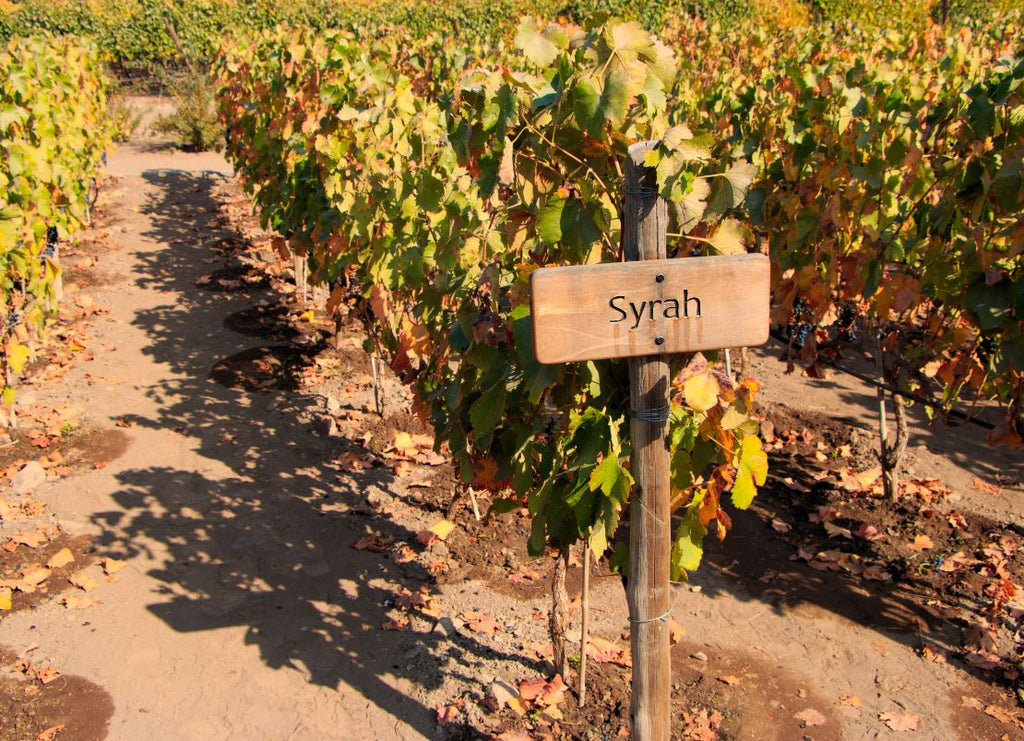
Terra Remota arrived in 1999 when the Bournazeau Florensa family acquired 40 hectares in the Alt Empordà, in the northeastern corner of the appellation closest to the French border and the Pyrenean slopes. The estate farms organically and integrates entirely with the surrounding landscape — the name means "remote land," which is both a geographic description and a philosophy. Their Usted Organic is built on Black Grenache and Syrah from vines over 20 years old, vinified parcel by parcel in small stainless steel tanks and wooden vats, with each batch evaluated separately before final blending. It is a serious, structured red wine from a producer who has spent over two decades learning what this specific corner of Catalonia is capable of.
The Wine That Started It All: Blanc Pescador
Before any of these estates existed in their current form, there was Blanc Pescador — the Fisherman's White, a lightly effervescent dry white from Empordà that has been poured in the bars and restaurants along the Costa Brava since the 1960s. The slight prickle on the palate comes from a second natural fermentation; the result is something between a still and sparkling wine, ideal against the shellfish and seafood of the coastal menu, familiar to anyone who has spent a summer in this part of Catalonia and completely unknown to most people who haven't.
It is one of those wines that exists entirely within its landscape — which is both its limitation and its charm.
What to Expect in the Glass
Empordà whites are aromatic and coastal: white flowers, citrus, a mineral edge that reads as sea air. They are wines for the table rather than for contemplation — fresh, food-oriented, and best served cold against the kind of seafood the Costa Brava was built around.
Empordà reds vary considerably by variety and producer. Old-vine Carignan is the appellation's most compelling argument: dark, structured, mineral, with a wild herbal character that is impossible to separate from the tramuntana landscape it grew beside. Grenache-based reds are warmer and more generous. Both age well when made by a serious producer.
The rosés here are serious wines rather than afterthoughts — the combination of Grenache from old bush vines, cold fermentation, and the regional emphasis on freshness over extraction produces rosés with genuine depth and the saline mineral quality that makes this corner of Catalonia worth understanding on its own terms.
Frequently Asked Questions
Where is Empordà? In the northeastern corner of Catalonia, in Spain's Girona province, bordered by the French frontier to the north, the Mediterranean to the east, and the Pyrenean foothills to the west. It is one of the oldest wine-producing regions in the Iberian Peninsula.
What is the tramuntana? A cold, dry north wind that blows consistently off the Pyrenees across the Empordà plain. It reduces humidity, controls disease pressure, and shapes the character of wines grown in the region.
What are the main grape varieties of Empordà? For reds: Garnacha Negra and Samsó (Carignan). For whites: Garnacha Blanca, Moscatel, Macabeo, and Xarel·lo. International varieties including Cabernet Sauvignon, Syrah, and Merlot are also grown.
Is Empordà wine organic? Many of the region's most serious producers farm organically, partly because the tramuntana's desiccating effect reduces disease pressure and makes chemical intervention less necessary than in more humid regions.
Discover Camí de Cormes Negre 2018 →
You might also like: [Vella Lola Blanc 2020] · [Cami de Cormes White] · [Terra Remota Usted Organic 2015]
Related post
24
Sep