
How to Choose Wedding Wine — A Complete Guide
There is a particular kind of wedding wine memory that most people carry. Not the label. Not the vintage. But the feeling of the first glass — the moment the welcome drink arrived, and something about it told you exactly what kind of evening this was going to be.
Wine does that. It sets a tone before a word has been spoken, before the first course has arrived, before the speeches. It is the first thing your guests taste when they arrive and one of the last things they will mention when they talk about the day afterwards.
Which makes it worth thinking about carefully.
This is a practical guide to doing exactly that — from how much to order, to what to serve and when, to the question almost every couple asks eventually: what do we do about the guests who don't drink?
Wine sets the tone before a word has been spoken. It is the first thing guests taste and one of the last things they will mention when they talk about the day.
Start with the structure of your day
Wedding wine is not one decision. It is four or five decisions made in sequence, each one connected to a specific moment in the day. The easiest way to approach it is to map the occasions first and choose the wines second.
Most weddings have the same structure: a welcome reception, a seated dinner, a toast, and an evening party. Each moment has different requirements — different volumes, different styles, different levels of formality — and the wine choices need to reflect that.
The couple who serves the same wine throughout the entire day has made a decision by default. It is rarely the right one.
Welcome reception: sparkling. This is not negotiable. A welcome glass of sparkling wine is the single most powerful sensory signal you can give your guests — it says celebration, it says intention, it says this day is being taken seriously. The question is not whether to serve sparkling but which sparkling.
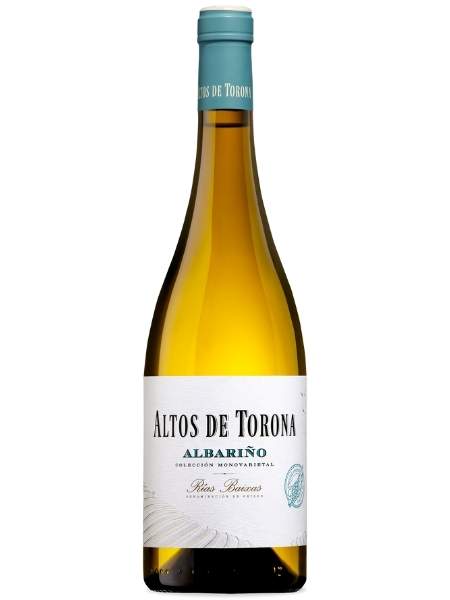
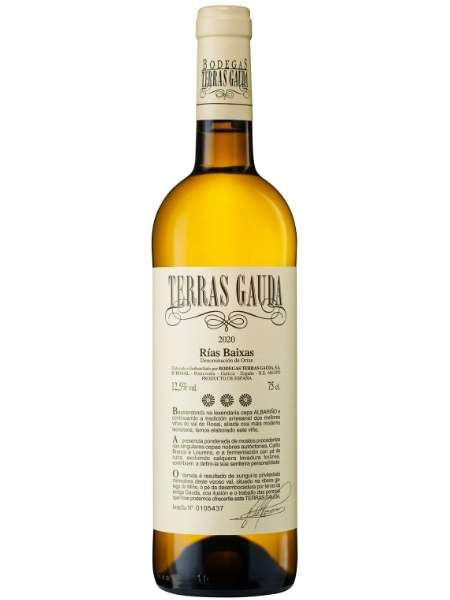
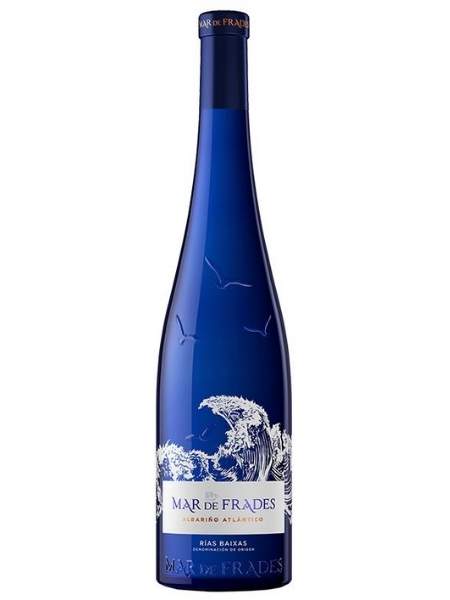
Reception and dinner whites: lighter, food-friendly, aromatic. The white wine for the dining table should work alongside food rather than competing with it. Galician whites — Albariño, Godello, Treixadura — are exceptional in this role: high acidity, mineral precision, and enough character to be interesting without demanding attention.
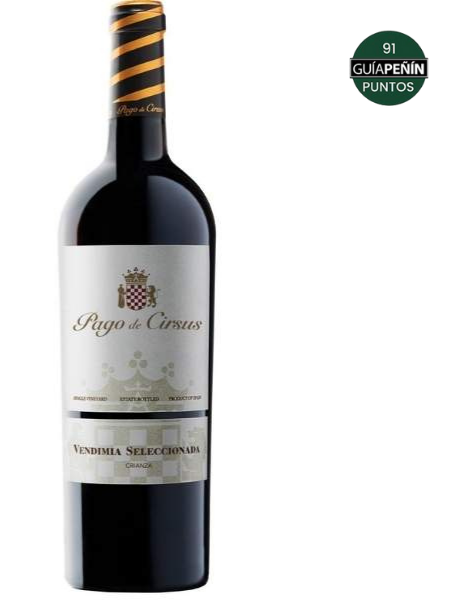
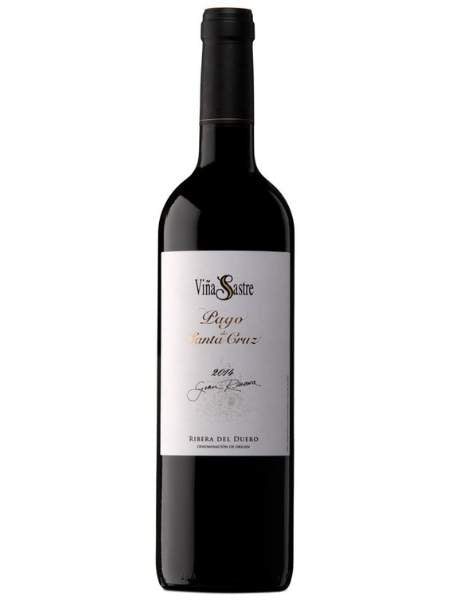
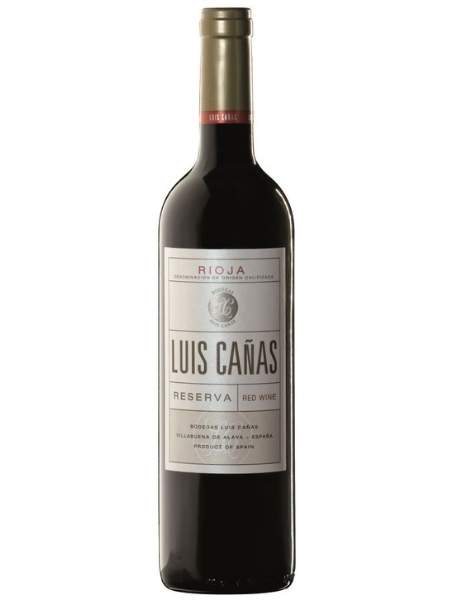
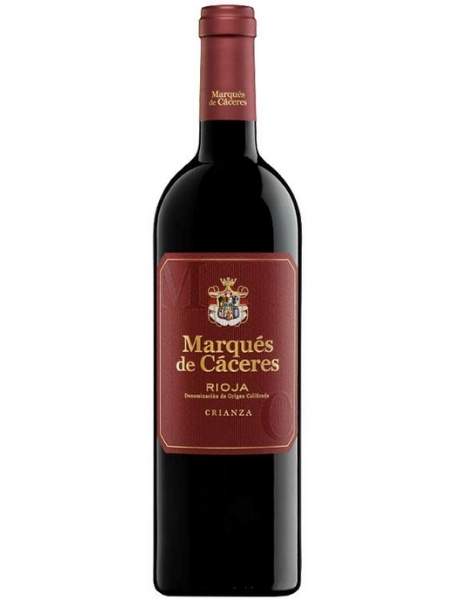
Dinner reds: structured, medium-to-full-bodied, appropriate to the menu. A Rioja Reserva or a Ribera del Duero is the classic Spanish choice and remains one of the most reliably excellent dinner reds in Europe at almost any price point.
Toast wine: this is the sparkling that appears again for the speeches. It does not need to be the same wine as the welcome glass — and for larger weddings, it frequently isn't. Gran Reserva Cava is the most intelligent choice for this moment: serious, age-worthy, complex, at a fraction of the cost of Champagne.
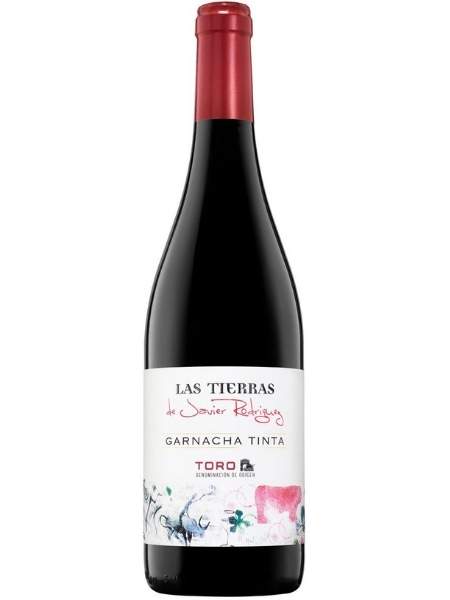
Evening: approachable, easy-drinking, crowd-friendly. As the evening moves towards dancing, the wine profile shifts. This is not the moment for a serious Priorat. A younger Garnacha, a rosé, an affordable but characterful red that people can pour freely — this is what the evening needs.
How much wine do you actually need
This is the question every couple asks and almost nobody answers precisely, because the correct answer depends on the length of your event, your guest profile, the time of year, the food, and a dozen other variables. But there is a working formula that holds up well in practice.
Welcome sparkling: one bottle per 6–8 guests. For a 90-minute welcome reception with 100 guests, plan for 13–17 bottles.
Table wine — white: half a bottle per guest at dinner. For 100 guests at a 3-course dinner, plan for 50 bottles of white.
Table wine — red: half a bottle per guest at dinner. 50 bottles of red for 100 guests.
Toast wine: one bottle per 8 guests. For 100 guests, 13 bottles is sufficient for a single toast pour.
Evening wine: one third of a bottle per guest for a 3-hour evening. For 100 guests staying through the evening, plan for 33 bottles — mix of red, white, and rosé.
For 100 guests at a full-day wedding with evening party, the total is approximately 165–175 bottles across all styles. This feels like a large number until you consider that it translates to roughly 1.65 bottles per guest over an entire wedding day — which is, by any measure, a conservative estimate for a celebration that runs from 2pm to midnight.
The rule on over-ordering: always err on the side of more. Unused wine from a wedding is not wasted — it is a reminder of the day. Running out of wine at a wedding is a story that gets told at every subsequent family gathering for the next decade.
Running out of wine at a wedding is a story that gets told at every subsequent family gathering for the next decade. Always err on the side of more.
The welcome drink — why it matters more than anything else
If you make one decision about wedding wine with genuine care and attention, make it this one.
The welcome glass is the first impression of your day. Your guests have arrived, they are looking for somewhere to put their bags, they are greeting people they haven't seen in years, they are taking in the venue. Into the middle of all that sensory input, a glass of wine arrives. What is in it shapes the emotional register of the next several hours.
The three real options are Champagne, Cava, and prosecco. They are not equivalent.
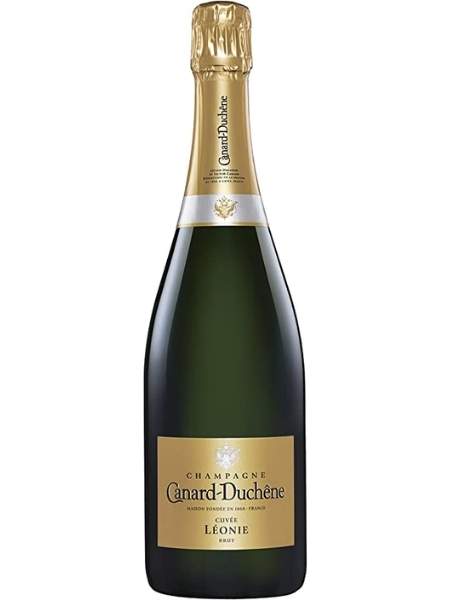
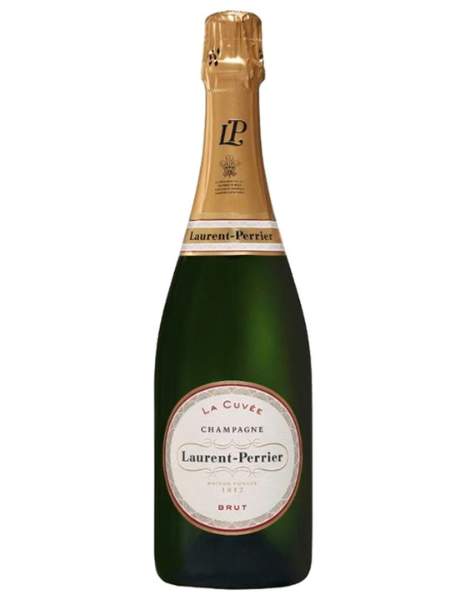
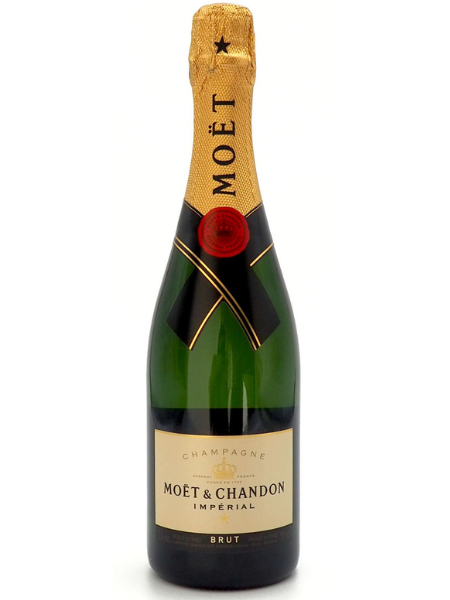
Champagne is the most prestigious choice and the most expensive. Laurent-Perrier, Moët & Chandon, Canard-Duchêne — these are labels that arrive with meaning attached. They signal generosity and occasion. For a smaller wedding or a particularly significant celebration, Champagne for the welcome makes complete sense.
Cava is the intelligent alternative — and in many respects the superior one. The Gran Reserva expressions from Sant Sadurní d'Anoia, aged for four to thirteen years in the bottle, produce a complexity and depth that challenges Champagne at a fraction of the price. The producers we carry have been making Cava since the 14th century. This is not a compromise; it is a choice.
Prosecco is the crowd-pleaser. It is approachable, light, immediately appealing, and widely liked. It is also, for a wedding at the premium end of the scale, a slightly predictable choice — and it does not age, which means there is no complexity to discover. It works perfectly well and delivers nothing unexpected.
Our recommendation: Cava Gran Reserva for the welcome glass. It delivers Champagne-level complexity at two-thirds of the price, it comes from producers with centuries of documented history, and it arrives with a story. Your guests will ask about it. That is exactly what you want.
Shop Cava — from €14 · documented producers since 1385 →
Choosing the dinner wines
The dinner table is where wine has the most sustained relationship with your guests — it is present through two or three courses, it is poured and repoured, it sits alongside conversation and food for the better part of two hours. These are not occasion wines; they are companion wines.
The primary criterion for a dinner white is food compatibility. A wine that works beautifully in isolation can be actively unpleasant alongside certain dishes. The structural requirements for a dining-table white are: sufficient acidity to cut through fat and complement protein, moderate alcohol so it remains refreshing across multiple pours, and enough character to be interesting without being demanding.
Albariño from Galicia satisfies all three criteria and has the added advantage of being genuinely beloved by a wide range of wine drinkers — from the casual guest who just wants something crisp and cold to the serious wine enthusiast who will appreciate the terroir and the producer. It is one of the most versatile food whites in Spain.
For the red, the guiding principle is the same: food compatibility first, character second. A Rioja Reserva from a good producer is one of the most reliable dinner wines in Europe — the Tempranillo-based structure is built for the table, the oak integration adds complexity without aggression, and the price-to-quality ratio is exceptional. For a wedding dinner of 80–100 guests, a Rioja Reserva in the €18–25 range is almost always the right answer.
For couples who want something with more individuality — a wine that guests might not have encountered before — a Ribera del Duero at a similar price point delivers more intensity and concentration, and often carries better critical scores. The Finca Cascorrales in our collection, at 91 points from Robert Parker, exemplifies what this appellation can achieve at a sensible price.
Shop Albariño for the dinner table →
Shop Rioja and Ribera del Duero for the dinner red →
The toast wine — what to open for the speeches
The toast moment is brief but remembered. It is the wine that appears in photographs, that is poured while people are looking at each other rather than at their plates, that accompanies the most emotionally charged words spoken during the day.
It does not need to be expensive. It needs to be appropriate — which means sparkling, well-made, and served cold. A Gran Reserva Cava poured cold in a clean flute is indistinguishable from Champagne to most guests, and significantly superior to most prosecco. It is also the wine that carries the most interesting story if you choose to share it: the producer documented since 1385, the wine aged for eight years in the same cellar where the family has made sparkling wine for generations.
That story — told briefly by whoever gives the welcome speech, or printed on a small card at each place setting — is the detail that elevates a wedding from well-organised to genuinely memorable. Wine with a story gives people something to talk about. That is the whole point.
Wine with a story gives people something to talk about. That is the whole point.
The question nobody asks until it becomes urgent: what about guests who don't drink
At most weddings, between 15% and 30% of guests do not drink alcohol. This is not a small minority — at a wedding of 100 people, it is between 15 and 30 individuals who will spend the day watching other people's glasses being refilled while theirs sits empty or filled with water or orange juice.
For decades, the answer to this was essentially nothing. Soft drinks. Sparkling water. A sense that the non-drinker was an afterthought in the catering plan.
That has changed. The alcohol-free wine category has undergone a serious quality revolution in the past five years. The de-alcoholisation technology now available to serious winemakers — vacuum distillation, spinning cone, gentle membrane filtration — removes the alcohol from a fully-made wine while preserving the aromatics, the texture, and the majority of the flavour. The result, done well, is a wine that tastes like wine, not like grape juice.
Several bottles in our alcohol-free collection have won international competition medals from the same panels that judge conventional wine. 96 points at the London Wine Competition. 90 points Falstaff. Mundus Vini Gold three years in succession. These are not consolation prizes for a category considered beneath serious scrutiny. They are the same standard applied equally.
Including one or two alcohol-free options in a wedding wine order — particularly an AF sparkling for the toast moment — ensures that every guest at the table has something exceptional in their glass. The pregnant guest, the designated driver, the sober guest, the guest who simply chooses not to drink that evening. All of them deserve the same experience as everyone else.
We have watched this happen at enough occasions to know: when a non-drinking guest receives a proper AF sparkling in a flute rather than sparkling water in a tumbler, the difference in their experience of the toast moment is immediate and visible. It is a small decision with a disproportionate emotional impact.
Shop award-winning alcohol-free wines for your wedding →
Destination weddings and international delivery
A growing proportion of European weddings take place outside the couple's home country — Spain, Portugal, Italy, and France are among the most popular destinations for UK and Northern European couples choosing to marry abroad. The wine question becomes more complex in this context.
Local wine at a destination wedding in Spain is often the right answer — and the Spanish wine at a premium destination venue will frequently be excellent. But local supply is not always reliable at scale, the selection may not reflect what you actually want to serve, and the price at a premium venue for premium wine can be punishing.
We ship directly to venue addresses across Spain, Portugal, Italy, France, the UK, and the US. For destination weddings, we recommend ordering at minimum 21 days before the wedding date to allow for any customs or logistical delays. For venues in more remote locations — rural Tuscany, the Alentejo interior, the Spanish interior — build in more time.
The bespoke curation service is particularly valuable for destination weddings, where the couple is often planning from a distance and may not have local knowledge of wine sources or supplier reliability. We handle the selection, the quantities, and the coordination. You focus on the rest.
How to work with us on your wedding wine
The process is straightforward. You tell us about your day — the venue, the menu, the guest count, the mix of drinkers and non-drinkers, the budget per bottle across the different occasions. We come back within 48 hours with a curated proposal: 8–12 wines, each with a story, priced per bottle, with quantities specified for each moment of the day.
You taste the ones you want to taste before committing — we offer a tasting case service for wedding couples, a selection of six bottles from the shortlist sent ahead of the order. You approve, you order, we deliver.
Optional: we can provide printed tasting notes for each wine to place on the tables — the producer, the vineyard, the vintage, the story. The wine becomes part of the day rather than background to it. In our experience, these cards disappear into bags and handbags at the end of the evening. People keep them. That is the test of whether something was memorable.
In our experience, the tasting note cards disappear into bags at the end of the evening. People keep them. That is the test of whether something was memorable.
The short version
Serve sparkling for the welcome. Choose Cava Gran Reserva over prosecco. Use Galician whites for the dining table. Rioja or Ribera del Duero for the red. Return to sparkling for the toast. Include at least one award-winning alcohol-free option for the guests who don't drink.
Order more than you think you need. Have a story ready for every bottle. Let the wine be part of the day rather than just a logistical detail of it.
That is how you choose wedding wine.
Request your bespoke wedding wine proposal at disndis.com
We respond within 48 hours. No obligation.
Related reading: Award-Winning Wines | Alcohol-Free Wine Gifts | Cava vs Champagne: The Truth | The Most Curated AF Collection in Europe
Written by the Dis&Dis editorial team · June 2026 · The Discovery Files
Related post
16
Sep