
Dry Non-Alcoholic Wine: How to Find Alcohol-Free Wine That Isn’t Sweet
One of the most persistent criticisms of alcohol-free wine can be summed up in a few words: “It was too sweet.” For wine drinkers accustomed to dry Sauvignon Blanc, crisp Riesling, Bordeaux reds or mineral sparkling wine, an alcohol-free bottle that tastes noticeably sweet can make the entire category seem disappointing. Some people try one bottle, decide that non-alcoholic wine simply tastes like grape juice, and never explore it again.
The reality is considerably more complicated. Alcohol-free wine does not have to be sweet, fruitiness is not the same thing as sweetness, and a wine's residual sugar cannot be understood properly without considering its acidity and the effect alcohol would normally have on its structure. At the same time, it would be equally misleading to pretend that sweetness is never an issue in alcohol-free wine. Removing alcohol changes the balance of the wine, and producers have to decide how to rebuild that balance.
For anyone searching for a genuinely dry alcohol-free wine, the solution is therefore not simply to look for the word “dry” on the front of a bottle. Understanding what makes wine taste sweet—and what happens when alcohol is removed—makes it much easier to choose a bottle that suits a conventional dry-wine palate.
Why can alcohol-free wine taste sweeter?
Wine is a balance between several components rather than a mixture of grape flavour and alcohol. Acidity provides freshness, tannins contribute structure in red wines, residual sugar can provide sweetness, and alcohol contributes body, warmth and weight. Aromas and flavours then interact with all of these components to create the final sensory impression.
When alcohol is removed, one important part of that structure disappears. A wine that previously had fruit, acidity, sugar and alcohol working together can suddenly feel lighter, and characteristics that were less obvious before dealcoholization may become more noticeable. Sweetness can consequently seem more prominent even when the producer is not trying to make a dessert-style wine.
Producers may also use sweetness as one of the tools for restoring body after dealcoholization because sugar contributes weight to the palate. The difficulty is finding the right balance. Too little structure can make an alcohol-free wine seem thin, but too much sweetness can make it taste more like a soft drink than the dry wine the customer expected.
Dry wine does not mean wine without sugar
The word dry causes considerable confusion because it does not mean that a wine necessarily contains absolutely zero sugar. In wine terminology, dryness describes the relationship between residual sugar and the way sweetness is perceived in the finished wine. Acidity is particularly important because it can counterbalance sweetness and make a wine taste considerably fresher.
This is why two wines with similar amounts of residual sugar can create different impressions on the palate. A wine with high acidity may seem crisp and dry, while another with lower acidity can appear noticeably softer or sweeter. Looking at sugar alone therefore tells only part of the story.
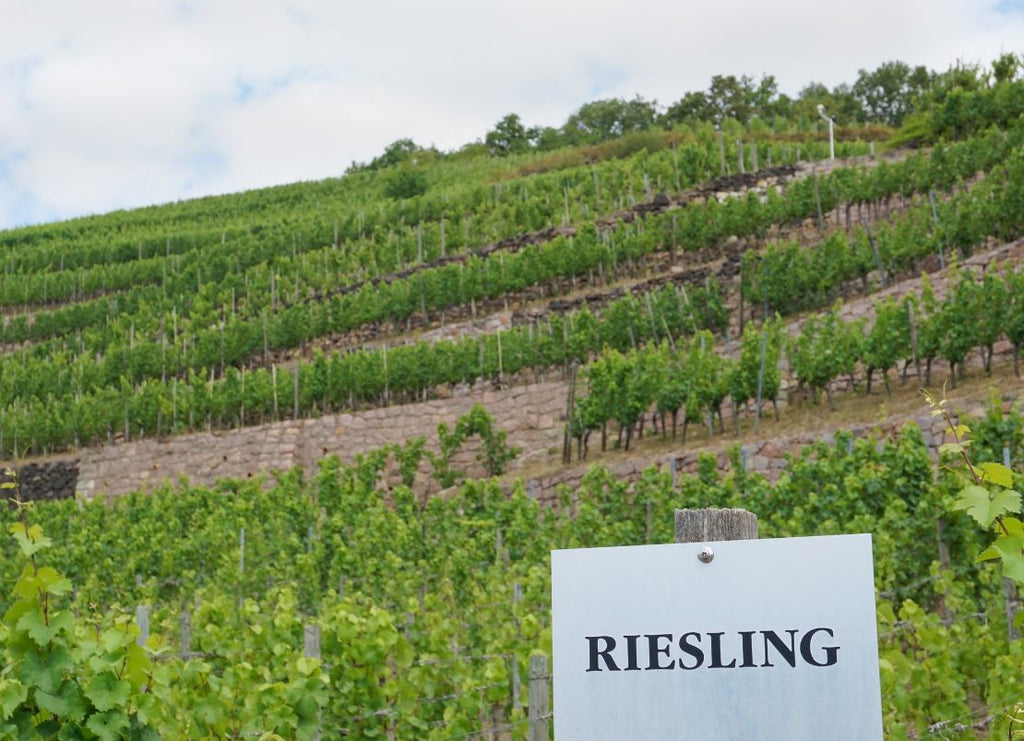
Riesling is an excellent example. Its naturally high acidity can balance residual sugar remarkably effectively, which is why some Rieslings containing measurable sugar can still feel extremely fresh. Alcohol-free wine makes this relationship even more important because the absence of ethanol changes the wine's overall weight and balance.
Fruitiness and sweetness are two different things
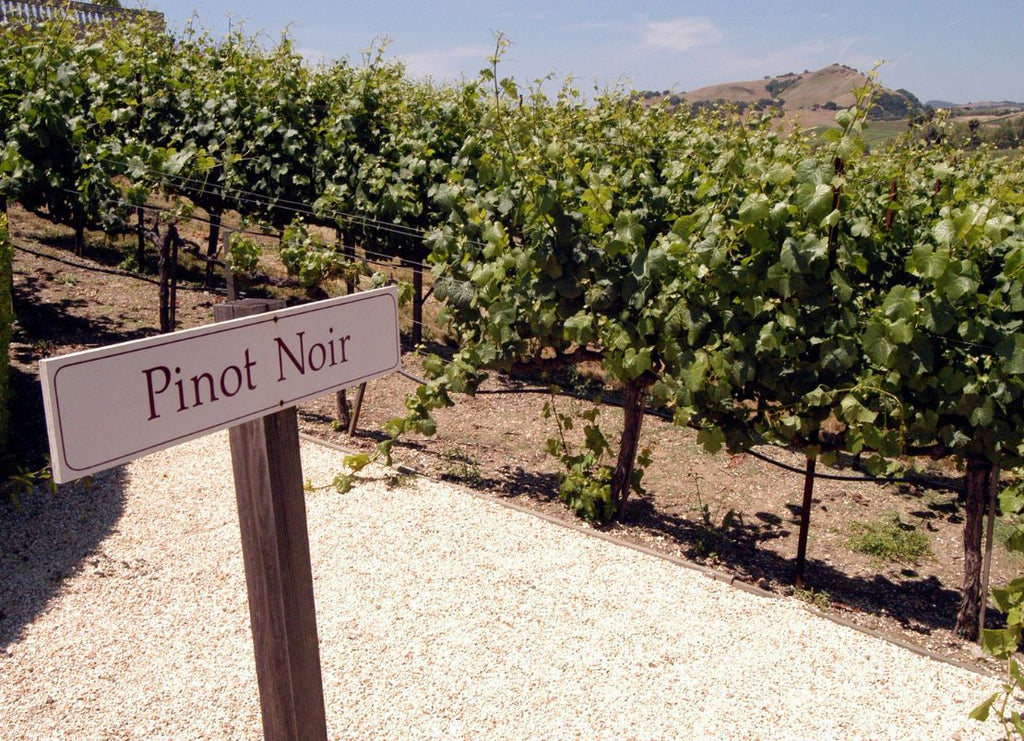
This distinction may be the single most useful thing to understand when buying alcohol-free wine. A Sauvignon Blanc can smell intensely of citrus and tropical fruit without being sweet, just as a Pinot Noir can smell of strawberries and cherries while remaining a dry red wine. Fruit aromas tell us what the wine smells and tastes like; sweetness tells us how sugar is perceived on the palate.
The confusion is understandable because our brains associate ripe-fruit aromas with sweet foods. A wine smelling strongly of peach, pineapple or ripe berries can therefore create an expectation of sweetness before we have properly tasted it. Alcohol-free wines with particularly expressive fruit can exaggerate that effect.
This is why tasting descriptions need to be read carefully. “Peach”, “raspberry”, “apple” or “tropical fruit” do not automatically mean that the wine contains enough residual sugar to taste sweet. If you prefer dry alcohol-free wine, pay at least as much attention to words describing acidity, freshness, tannin, minerality and structure.
Alcohol itself isn't what makes conventional wine dry
It is tempting to assume that alcohol-free wine tastes sweeter simply because alcohol has disappeared, but alcohol and sugar are not opposites. During alcoholic fermentation, yeast converts grape sugars primarily into ethanol and carbon dioxide, which is why fully fermented conventional wine can become dry. Dealcoholized wine goes through fermentation first and has its alcohol subsequently reduced or removed.
That distinction is crucial because proper alcohol-free wine is not simply unfermented grape juice. Fermentation has already transformed the juice, producing alcohol as well as numerous compounds contributing to wine's aroma and flavour. Dealcoholization then presents the producer with the much more difficult task of removing alcohol while retaining as much of the wine's character as possible.
The problem of sweetness therefore arises from balance after alcohol removal, not from some rule saying that wine without alcohol must contain lots of sugar. Producers can make dry alcohol-free wine, but doing it convincingly requires careful work with the components that remain.
Acidity is one of the keys to convincing dry alcohol-free wine
If there is one characteristic that repeatedly appears when we examine successful alcohol-free grape varieties, it is acidity. Sauvignon Blanc benefits from it, Riesling is famous for it, Pinot Noir relies on it for freshness, and sparkling wine uses acidity alongside carbonation to create energy and structure. In every case, acidity becomes particularly valuable once alcohol is no longer providing the same weight.
A wine with sufficient acidity can feel refreshing and precise rather than soft and sugary. This doesn't mean producers should simply make alcohol-free wines as acidic as possible, because excessive acidity creates its own imbalance. The objective is tension between fruit, acidity, texture and whatever residual sugar remains.
This also explains why the driest-tasting alcohol-free wine isn't necessarily the bottle containing the least sugar on paper. Sensory balance matters. A technically low-sugar wine without sufficient structure can be less satisfying than a carefully balanced wine containing slightly more residual sugar.
White grape varieties can behave very differently
For someone looking for dry alcohol-free white wine, grape variety provides useful clues, although it never guarantees the final result. Sauvignon Blanc naturally brings strong acidity and a distinctive aromatic profile, making it an interesting foundation for fresh alcohol-free whites. Riesling offers similarly valuable acidity but with a very different citrus, floral and stone-fruit personality.
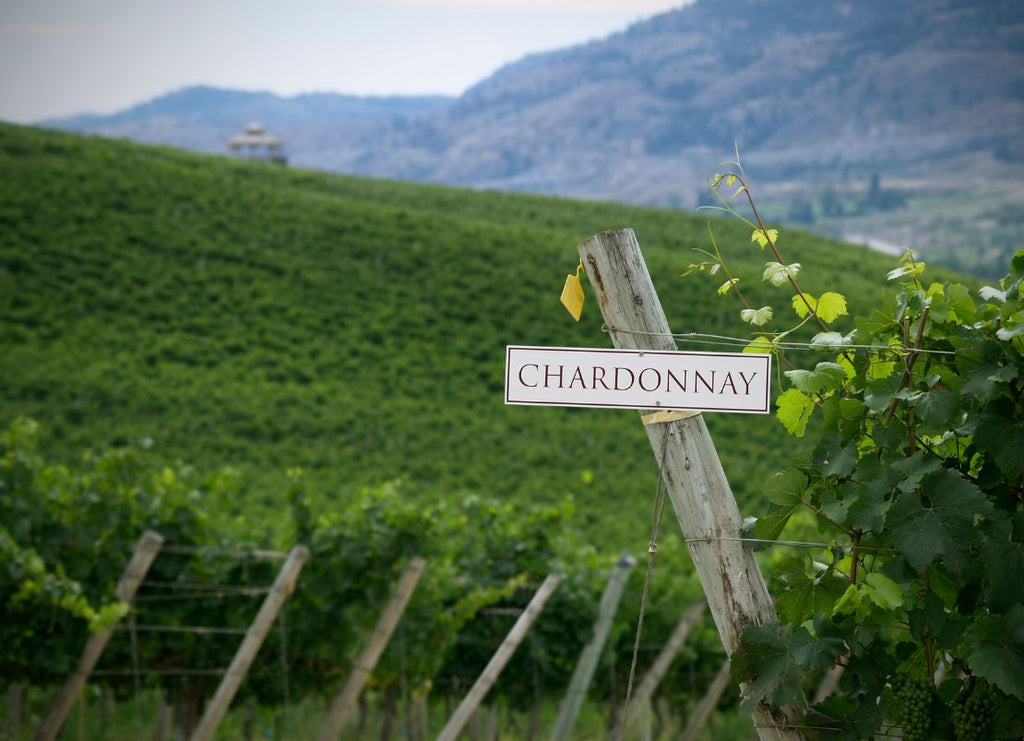
Chardonnay presents another possibility because its identity can depend considerably more on winemaking. A fresh Chardonnay produced without heavy oak influence can be very different from the broad, creamy style many consumers associate with the grape. After dealcoholization, maintaining sufficient texture without relying excessively on sweetness becomes particularly important.
Other varieties in the Dis&Dis collection broaden the picture further, including Sémillon, Colombard, Airén, Albariño and Verdejo. This diversity matters because “dry alcohol-free white” should eventually become as broad a category as dry conventional white wine. A customer should be able to choose according to grape, origin and style rather than simply selecting between alcoholic and non-alcoholic.
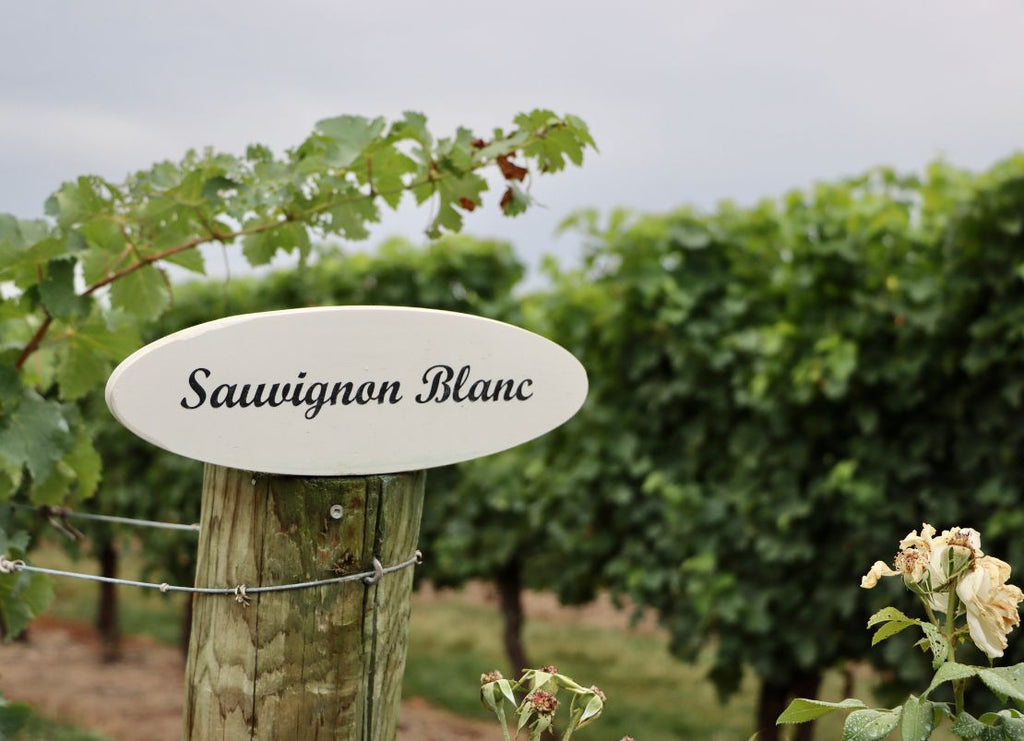
Sauvignon Blanc is a natural place to start
For drinkers who strongly dislike sweetness, Sauvignon Blanc is one of the most logical grapes to explore. Its acidity and aromatic intensity give the producer strong components with which to build an alcohol-free wine, and its familiar citrus and fresh-fruit profile provides an easy reference point for people who already drink conventional Sauvignon Blanc.
Our collection includes BERTIC0%T White, made from Sauvignon Blanc and carrying a 0% alcohol declaration. We also have No Limit Alcohol Free White, another French Sauvignon Blanc listed at 0%, while DIVIN Vigneron Sauvignon Blanc sits in the <0.5% part of the category. These bottles demonstrate why “alcohol-free Sauvignon Blanc” itself can contain different alcohol declarations and producer approaches.
We have explored the grape in much greater detail in our guide to non-alcoholic Sauvignon Blanc. For the purpose of choosing a dry wine, the important point is that Sauvignon Blanc brings naturally useful acidity and aromatic character. Those characteristics make it an excellent reference point for a customer moving from conventional dry white wine into the alcohol-free category.
Riesling is not automatically the sweet option
Riesling deserves special attention because many people looking for dry wine avoid it unnecessarily. The grape can produce exceptionally sweet wines, but it can also produce distinctly dry ones. Its high acidity is actually one of the reasons it can be so interesting for alcohol-free winemaking.
Within our collection, Weinkönig Riesling Nr. 420 Organic provides a German Riesling at 0% alcohol. For someone accustomed to thinking of Riesling exclusively as sweet, an alcohol-free expression can be an opportunity to reconsider what the grape itself actually contributes: acidity, aroma and freshness rather than one predetermined sugar level.
This is also why our Riesling article examines sweetness in detail. The important lesson is not that Riesling is always the driest choice, because that would be just as inaccurate as saying it is always sweet. It is that grape variety and sweetness level are separate pieces of information.
What about dry alcohol-free red wine?
Red wine presents a different structural problem because tannin becomes much more important. Cabernet Sauvignon, Syrah, Merlot and Pinot Noir all contain different levels and types of tannic structure, and that structure can help a dealcoholized red retain a distinctly wine-like sensation. The drying effect of tannin can also influence our overall perception of the wine.
Cabernet Sauvignon and Syrah can be particularly interesting for drinkers seeking structure, while Pinot Noir provides a more delicate expression built around acidity, fragrance and finer tannin. Merlot can occupy a softer middle ground, depending on origin and winemaking. None of these grapes guarantees that the finished alcohol-free wine will be dry, but understanding their natural structure makes choosing considerably easier.
This is why we prefer grape-specific explanations rather than treating every alcohol-free red as interchangeable. Someone disappointed by one soft, fruit-forward alcohol-free Merlot may find a more structured Cabernet Sauvignon much closer to their preferences. The category is broad enough that one bottle should never be allowed to define all of it.
Tannin can make a red wine feel drier
When people describe a red wine as “dry”, they sometimes combine two different sensations. Sweetness relates primarily to sugar, whereas the drying or puckering sensation experienced after a sip of red wine is largely associated with tannins. The sensations can interact, but they are not the same thing.
Tannins bind with proteins in saliva, creating the familiar feeling of dryness or grip across the mouth. Thick-skinned varieties such as Cabernet Sauvignon generally provide more tannic structure than delicate grapes such as Pinot Noir. That structural difference remains relevant after dealcoholization because reducing alcohol does not automatically remove all of the wine's phenolic compounds.
For a conventional red-wine drinker, tannin can therefore be an important part of finding an alcohol-free wine that feels satisfying. The objective isn't necessarily maximum tannin, but enough structure to prevent the wine from becoming merely soft and fruity. Balance remains the central idea.
Sparkling wine has another weapon: bubbles
Alcohol-free sparkling wine has an additional structural component that still wine does not: carbonation. Bubbles create physical sensation, freshness and movement across the palate, which can help a sparkling wine feel lively even when alcohol is absent. This is one reason sparkling styles have become such an important part of premium alcohol-free wine.
Acidity remains essential because bubbles alone cannot correct an unbalanced wine. When carbonation, acidity, fruit and restrained sweetness work together, however, the finished wine can feel crisp and refreshing. That combination can make sparkling alcohol-free wine particularly attractive to drinkers who have struggled with overly soft still wines.
The same principle applies here as everywhere else in the category: sparkling does not automatically mean dry. Individual products need to be assessed according to their actual specifications and style. Nevertheless, carbonation gives the winemaker another valuable structural tool.
0%, 0.0% and <0.5% tell you about alcohol—not sweetness
This distinction is extremely important. A wine labelled 0%, another labelled 0.0% and a third labelled <0.5% are giving you information about alcohol content, not residual sugar. You cannot determine whether one will taste drier than another merely by comparing those alcohol declarations.
We therefore preserve the precise declaration of every wine rather than using 0%, 0.0% and <0.5% interchangeably. But customers searching for dry wine need to look beyond that number and consider the wine's overall style. Alcohol percentage and sweetness answer two separate questions.
This may sound obvious once explained, but the alcohol-free category frequently mixes terminology in a way that makes shopping unnecessarily confusing. Clear information about alcohol, grape variety and style makes it much easier for consumers to understand what they are actually buying.
How to choose a dry non-alcoholic wine online
Shopping online removes the possibility of tasting before buying, so product information becomes especially important. Start by looking for an explicit indication that the wine is dry where the producer provides one, then examine the grape variety and tasting description. References to freshness, acidity, citrus, minerality or tannic structure can provide useful context, although none of those words independently proves a particular residual-sugar level.
Next, consider what you normally drink. Someone who loves dry Sauvignon Blanc probably has a better starting point in an alcohol-free Sauvignon Blanc than in a bottle selected merely because it has the lowest alcohol number. A Cabernet Sauvignon drinker may similarly be happier looking for tannin and structure rather than choosing an alcohol-free red purely according to fruit description.
Finally, treat the producer as part of the decision. Dealcoholization is technically demanding, and the quality of the base wine and the way the producer rebuilds balance after alcohol removal matter enormously. Alcohol-free wine should be purchased with the same curiosity we apply to conventional wine: who made it, what grape did they use, where did it come from and what style were they trying to achieve?
Temperature can change how sweet a wine appears
Serving temperature is often overlooked when people evaluate alcohol-free wine. A white wine served too warm can seem broader and softer, while appropriate chilling can emphasise freshness and acidity. Conversely, serving wine almost frozen suppresses aroma and can prevent you from properly tasting what the producer intended.
For many fresh alcohol-free whites, somewhere around 8–10°C is a sensible starting point, although individual producer recommendations should take priority. Reds vary more according to style, and delicate examples can often benefit from being served somewhat cooler than the warm “room temperature” still commonly associated with red wine.
Temperature cannot transform a genuinely sweet wine into a dry one, but it affects sensory balance. Before deciding that an alcohol-free bottle is too sweet, it is worth making sure it has been served under appropriate conditions.
Food can change your perception too
Wine never exists in isolation when it is served with a meal. Sweet, acidic, salty, spicy and fatty foods can all change how a wine tastes, sometimes dramatically. A wine that seems perfectly balanced on its own can appear different after a bite of strongly flavoured food.
High-acid alcohol-free whites can work especially well with dishes that need freshness, while structured reds can benefit from foods that soften their tannic grip. Sparkling wines gain versatility from both acidity and carbonation. Matching intensity remains particularly important because alcohol-free wines can have less body than their conventional counterparts.
This is another reason “dry” should not become the only measure of quality. The objective is not to find the wine with the least possible perception of sweetness regardless of context. It is to find a balanced wine that works for your palate and, when relevant, your food.
Frequently asked questions about dry non-alcoholic wine
Does dry non-alcoholic wine exist?
Yes. Alcohol-free wine does not inherently have to be sweet, and producers can create dry styles. The finished perception depends on residual sugar, acidity, fruit, texture and the changes created by dealcoholization, so individual bottles can vary substantially.
Why does some alcohol-free wine taste sweet?
Removing alcohol reduces body and changes the balance between the wine's remaining components. Producers may also retain or use sweetness to help restore weight and balance after dealcoholization. If acidity and structure are insufficient to balance that sweetness, the finished wine can taste noticeably sweet.
Is fruity alcohol-free wine sweet?
Not necessarily. Fruitiness refers primarily to aromas and flavours resembling fruit, whereas sweetness is the sensory perception associated with sugar. A dry Sauvignon Blanc can smell intensely fruity while remaining dry.
Which grapes are good for dry alcohol-free white wine?
High-acid varieties such as Sauvignon Blanc and Riesling can provide useful foundations because acidity helps maintain freshness after alcohol removal. Chardonnay can also produce convincing alcohol-free styles, although texture becomes especially important. The grape alone does not guarantee dryness, so the individual product still needs to be checked.
What should I look for in a dry alcohol-free red?
Look beyond fruit and consider structure, particularly acidity and tannin. Cabernet Sauvignon and Syrah can provide more tannic weight, Merlot is often softer, and Pinot Noir tends towards a more delicate, high-acid style. The producer's description and actual sweetness specification remain more important than grape variety alone.
Does 0.0% mean the wine is sugar-free?
No. Alcohol content and sugar content are different measurements. A 0.0% alcohol declaration tells you about alcohol; it does not establish whether the wine is dry, sweet or sugar-free.
The best dry alcohol-free wine is the one that remains balanced
The search for dry non-alcoholic wine is ultimately a search for balance. Removing alcohol changes the architecture of wine, and producers need acidity, tannin, aroma, fruit, texture and sometimes residual sugar to work together differently once ethanol is no longer playing its conventional role. Simply eliminating as much sugar as possible does not automatically create a better wine.
For consumers, this means the category becomes easier to navigate once we stop treating “alcohol-free” as a flavour. A dry Sauvignon Blanc should not taste like a Pinot Noir, a Riesling does not have to taste like a Chardonnay, and a structured Cabernet Sauvignon should offer a different experience from a soft Merlot. Those differences are signs of a maturing wine category.
At Dis&Dis, that is the direction we find most interesting. The future of alcohol-free wine is not one universal flavour with the alcohol removed. It is the ability to choose between dry and sweeter styles, grapes, regions, producers and winemaking traditions—just as wine drinkers have always done.
Explore our alcohol-free wine collection and discover the grapes and styles that best match your own definition of dry wine.
Related post
13
Oct
06
Oct