
Non-Alcoholic Pinot Noir: Can One of the World’s Most Delicate Red Grapes Survive Without Alcohol?
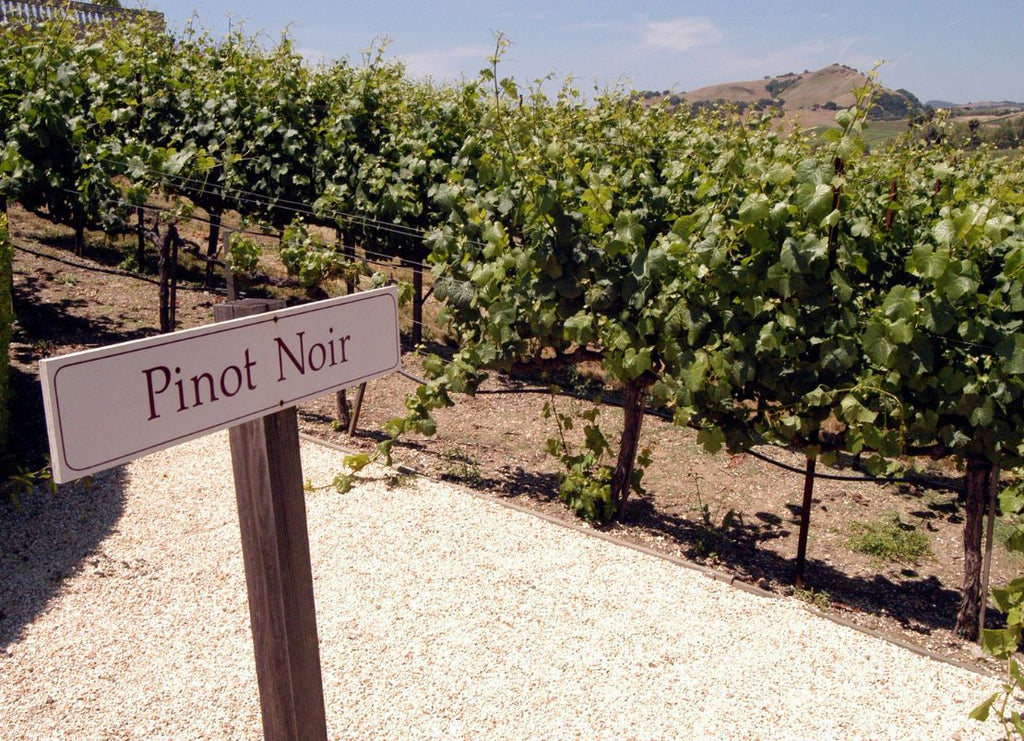
Pinot Noir has never been an easy grape. Its skins are thin, its bunches are tightly packed, it can be vulnerable in the vineyard, and relatively small differences in climate and growing conditions can have a remarkable effect on the finished wine. Yet precisely because Pinot Noir is so sensitive, it has become one of the world's most admired grape varieties.
That sensitivity makes Pinot Noir particularly fascinating in alcohol-free wine. Cabernet Sauvignon can rely on considerable tannin, Syrah has its dark fruit and spice, while Merlot often brings roundness and softness. Pinot Noir is built differently. Its appeal frequently comes from fragrance, freshness, fine tannins and a sense of delicacy rather than sheer power.
Remove alcohol from such a wine and there is nowhere for poor balance to hide. Alcohol contributes body, texture and warmth, so taking it away from a grape already known for elegance rather than weight creates an obvious question: can non-alcoholic Pinot Noir still retain enough of Pinot Noir's personality to feel like a serious red wine?
Pinot Noir's story is inseparable from Burgundy
Pinot Noir is the great red grape of Burgundy, particularly the Côte d'Or, where it has produced some of the world's most celebrated and valuable red wines. Burgundy's reputation has helped make Pinot Noir internationally famous, but the grape itself is considerably older than the modern prestige surrounding individual appellations and domaines. Over centuries, growers learned that Pinot Noir could express surprisingly fine differences between vineyards, soils, slopes and vintages.
That sensitivity to origin is central to Pinot Noir's identity. It is not normally the grape a winemaker chooses when the objective is simply maximum colour, tannin or concentration. Its attraction lies instead in the possibility of combining fragrance, acidity, texture and subtlety in a wine that can change significantly depending on where and how the grapes were grown.
Today Pinot Noir is planted far beyond Burgundy. Germany knows it as Spätburgunder, while important examples are also produced in places including New Zealand, the United States, Australia and elsewhere in Europe. Pinot Noir is also one of the major grapes of Champagne, reminding us that this famous red variety has an equally important role in sparkling wine.
Why is Pinot Noir so difficult to grow?
Part of Pinot Noir's reputation comes from its physical characteristics. The berries have relatively thin skins and form compact bunches, making the variety more susceptible to certain vineyard problems than grapes with thicker skins and looser clusters. It also performs particularly well in cooler or moderate conditions where ripening can proceed without losing the freshness and aromatic delicacy for which the grape is prized.
Those thin skins also influence the wine itself. Much of a red wine's colour and a significant proportion of its tannin come from contact between the juice and grape skins during winemaking. A thick-skinned grape such as Syrah therefore begins with different raw material from thin-skinned Pinot Noir.
This helps explain why Pinot Noir is often lighter in colour and less tannic than many Cabernet Sauvignon or Syrah wines. That does not make it less serious. It simply means that Pinot Noir builds structure differently, placing greater emphasis on acidity, aroma and fine texture rather than depending principally on tannic power.
Thin skins are exactly what make alcohol-free Pinot Noir interesting
When we discussed Cabernet Sauvignon, tannin was one of the structural components that could remain after alcohol was removed. Pinot Noir presents a different equation because it generally begins with less tannin. Dealcoholization therefore takes place in a wine whose structure may already be deliberately light and delicate.
Alcohol normally contributes weight and warmth to the palate. Removing it can make any red wine feel lighter, but with Pinot Noir the difference can be particularly important because too much additional loss of body risks leaving the wine feeling thin rather than elegant. The winemaker needs to preserve enough fruit, acidity, tannin and texture for delicacy to remain a virtue.
There is another side to that argument, however. A grape does not necessarily need to be powerful to work without alcohol. Pinot Noir's naturally aromatic personality and refreshing acidity provide other components around which a balanced alcohol-free red can be built, meaning success depends less on reproducing weight and more on preserving proportion.
Pinot Noir is about perfume as much as power
Young Pinot Noir is commonly associated with red-fruit aromas such as cherry, raspberry and strawberry, although the exact profile varies enormously according to origin, ripeness and winemaking. With development, Pinot Noir can become considerably more complex, acquiring earthy, savoury and sometimes mushroom-like characteristics. Oak can contribute another layer, although oak aromas should never be confused with flavours that inherently come from the grape itself.
This aromatic character matters greatly in non-alcoholic Pinot Noir. If dealcoholization preserves enough of the wine's fragrance, the drinker can still recognise something distinctly Pinot-like even though the palate has lost some of the warmth and volume supplied by ethanol. Aroma therefore becomes part of the structural experience rather than merely something pleasant to smell.
The challenge is that aroma compounds can also be affected during alcohol removal. Gentle processing and careful aroma management consequently matter enormously, particularly with a grape whose appeal depends on nuance rather than overwhelming concentration. Pinot Noir gives a producer relatively little room to compensate for careless processing with brute force.
Pinot Noir also teaches us something important about colour
One of the easiest mistakes when evaluating red wine is assuming that darker means better. Pinot Noir demonstrates why that idea is unreliable. Its thin skins generally produce less deeply coloured wines than thick-skinned red varieties, yet some of the most prestigious red wines in the world are made from Pinot Noir.
This becomes particularly relevant with alcohol-free reds because consumers sometimes expect a serious red wine to look almost opaque. A lighter colour in a Pinot Noir should not automatically be interpreted as evidence that dealcoholization has somehow weakened the wine. It may simply reflect the nature of the grape.
What matters is whether colour, aroma, acidity, tannin and fruit make sense together. A pale Pinot Noir with fragrance and freshness can be considerably more faithful to its variety than a heavily manipulated dark red designed primarily to look powerful in the glass.
What happens to Pinot Noir's tannins when the alcohol is removed?
Dealcoholization removes or reduces ethanol; it does not simply strip every other structural component out of the wine. Pinot Noir still contains phenolic compounds derived from the grapes and potentially from winemaking and maturation. The issue is that we perceive those components within a different sensory environment once alcohol has been taken away.
Tannin creates the drying, slightly gripping sensation we experience in many red wines. Pinot Noir generally has less tannic weight than thicker-skinned varieties, but the tannin it does possess can be extremely important because it contributes definition to an otherwise delicate palate. In an alcohol-free Pinot Noir, maintaining that fine structure can help distinguish the wine from something that merely tastes fruity.
Balance is therefore more important than chasing maximum tannin. Trying to make Pinot Noir behave like Cabernet Sauvignon would miss the point of the grape. The goal should be to preserve enough structure for the wine to remain recognisably Pinot Noir rather than turning delicacy into heaviness.
Acidity may be Pinot Noir's hidden advantage
If lower tannin creates a challenge, acidity provides Pinot Noir with an important advantage. Pinot Noir is generally associated with refreshing acidity, particularly when grown in suitable cooler conditions. That freshness gives conventional Pinot Noir much of its energy and is one reason the grape works so successfully at the table.
Acidity becomes even more valuable after dealcoholization because the wine can no longer rely on ethanol to create the same degree of weight. A fresh acid structure gives the palate direction and prevents fruit from becoming flat or indistinct. It can also help balance any residual sweetness present in the finished alcohol-free wine.
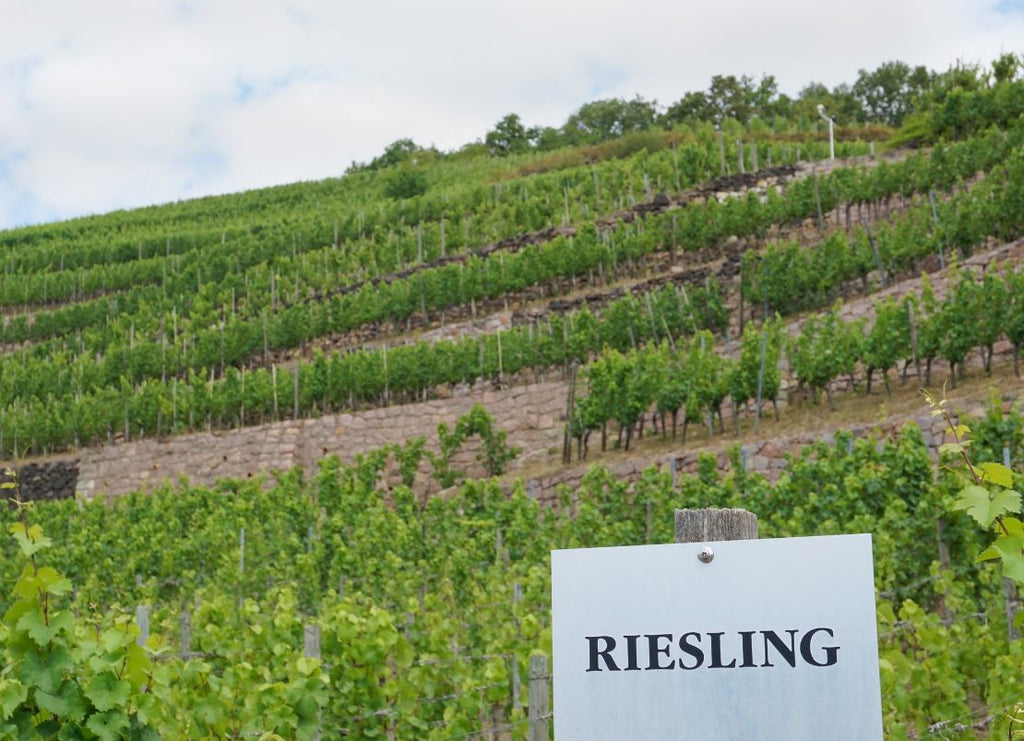
This is one of the recurring lessons in our grape series. Riesling showed us how important acidity can be in an alcohol-free white, and Pinot Noir demonstrates that the same principle matters for red wine. Structure does not come from one component alone.
DIVIN Vigneron Pinot Noir: a Loire Valley interpretation
Our current collection includes DIVIN Vigneron Pinot Noir, a French Pinot Noir carrying an alcohol declaration of <0.5%. That distinction is important: we do not rewrite <0.5% as 0% or 0.0%, because those declarations are not interchangeable. The individual bottle should always be described according to its actual specification.
The wine is particularly interesting in the context of this article because Pinot Noir asks more of an alcohol-free red than simply delivering fruit. Dis&Dis describes the DIVIN Pinot Noir as showing lively tannin and red-fruit character, with oak barrel and stainless-steel ageing forming part of its production. This is exactly the sort of bottle that allows us to examine whether alcohol-free red wine can move beyond sweetness and fruit into something more gastronomic.
It is also significant that this is a French Pinot Noir rather than an attempt to reproduce a generic international red style. Pinot Noir has a long European history and a particularly strong relationship with cooler-climate French wine. The objective is therefore more interesting than simply creating “a red without alcohol”: it is about retaining enough varietal and winemaking character for Pinot Noir to remain meaningful after dealcoholization.
Why oak can matter even more when alcohol is removed
Oak and Pinot Noir have a long relationship, particularly in Burgundy, but oak needs to be handled carefully. Barrels can influence aroma, tannin, oxygen exposure and texture, adding characteristics such as spice, toast or vanilla depending on the wood and how it is used. Those contributions become part of a much larger balance between fruit, acidity and structure.
After alcohol is removed, that balance changes. Oak that felt beautifully integrated in the original wine could theoretically become too obvious if the palate loses substantial weight, while carefully judged maturation can add valuable complexity and texture. More oak is therefore not automatically better for an alcohol-free red.
This is particularly relevant to Pinot Noir because subtlety is one of the grape's defining qualities. A successful alcohol-free Pinot Noir should not need to disguise the absence of alcohol beneath exaggerated wood flavours. Oak is most useful when it supports the wine rather than announcing itself.
Does non-alcoholic Pinot Noir taste like conventional Pinot Noir?
Not exactly, and promising otherwise would set the wrong expectation. Ethanol contributes body, warmth and texture while also affecting aroma perception, so removing it inevitably changes the sensory experience. A conventional Pinot Noir and its dealcoholized counterpart cannot be chemically different but sensorially identical.
The better question is whether the characteristics that make Pinot Noir distinctive remain recognisable. Red-fruit aroma, freshness, fine tannin and an elegant rather than heavy structure can all contribute to that recognition. If those elements remain balanced, the finished wine can still make sense as Pinot Noir even though the experience is lighter.
This distinction matters for alcohol-free wine generally. We should not judge every bottle solely according to how perfectly it impersonates a 13% wine. We should also ask whether it is balanced, interesting with food and expressive of the grape from which it was made.
Pinot Noir is not supposed to taste like Cabernet Sauvignon
Customers moving into alcohol-free red wine sometimes search simply for the bottle with the greatest body. That makes sense if their reference point is Cabernet Sauvignon, Malbec or another relatively powerful red, but it can lead to the wrong expectations with Pinot Noir. Elegance is not a defect that needs to be corrected.
A successful Pinot Noir should allow fragrance, freshness and fine structure to remain visible. The same principle should apply when the wine is dealcoholized. Making the wine artificially heavy merely to compensate for missing ethanol could destroy precisely the qualities that made Pinot Noir worth using in the first place.
This is why grape-specific alcohol-free wine matters. Cabernet Sauvignon, Merlot, Syrah and Pinot Noir should not collapse into a single flavour called “non-alcoholic red”. If producers can preserve meaningful differences between them, the alcohol-free category begins to behave much more like the broader wine world.
Is non-alcoholic Pinot Noir sweet?
It does not have to be. Red-fruit aromas such as cherry, strawberry and raspberry can make Pinot Noir seem intensely fruity, but fruitiness and sweetness are not the same thing. A wine can smell strongly of ripe fruit while still tasting dry.
The distinction can become harder to perceive after dealcoholization because removing alcohol changes the balance between acidity, fruit, residual sugar and body. This is one reason acidity is so useful in Pinot Noir: freshness can prevent the wine from feeling heavy or excessively sweet. Nevertheless, the actual style needs to be assessed bottle by bottle.
For drinkers specifically searching for dry alcohol-free red wine, this is more useful than assuming one grape variety guarantees dryness. Pinot Noir tells us about the likely structure and aromatic family of the wine, but the producer still determines how the finished bottle is balanced.
Pinot Noir deserves a proper wine glass and the right temperature
Alcohol-free red wine is often served either too warm or far too cold. Pinot Noir is especially sensitive because excessive warmth can make a delicate wine seem broad and fruit-heavy, while very low temperatures can suppress the aromas that make the grape interesting. Serving temperature should therefore support fragrance and freshness rather than simply follow the rule that all reds belong at “room temperature”.
A lightly chilled serving temperature can work particularly well for a delicate alcohol-free Pinot Noir, although the producer's recommendation should take priority for an individual bottle. The wine can then develop naturally in the glass as its temperature rises. This allows the drinker to experience how its fruit, aroma and texture change rather than judging it at a single fixed temperature.
A proper wine glass also helps because Pinot Noir is highly aromatic. The wide-bowled glasses traditionally associated with Burgundy are designed to give aromatic wines room to open, although purchasing specialist glassware is certainly not necessary to enjoy an alcohol-free bottle. What matters most is giving the wine enough space to smell and taste it properly.
Pinot Noir belongs at the dinner table
Pinot Noir's combination of acidity, moderate tannin and aromatic complexity has long made it a versatile food wine. Depending on the individual style, it can work with poultry, mushrooms, roasted vegetables, salmon and lighter meat dishes that might be overwhelmed by a more tannic red. The aim is to match the intensity of the food with the delicacy of the wine.
This logic becomes even more important with alcohol-free Pinot Noir because dealcoholization generally reduces weight. Very heavy sauces or intensely rich dishes can overpower a delicate bottle, whereas dishes with savoury depth but moderate weight allow the wine's freshness and red-fruit character to remain present. Mushrooms are particularly interesting because their earthy character can echo the savoury side Pinot Noir can develop.
The best pairing therefore does not come from treating alcohol-free Pinot Noir as a weakened version of another red. It comes from understanding what Pinot Noir is good at in the first place: acidity, fragrance, subtlety and the ability to accompany food without dominating it.
Frequently asked questions about non-alcoholic Pinot Noir
Can Pinot Noir be made without alcohol?
Yes. Pinot Noir can first be fermented as wine and then undergo dealcoholization to reduce its alcohol content. The exact final alcohol level varies between products, which is why the declaration on the individual bottle should always be checked.
Is alcohol-free Pinot Noir lighter than other alcohol-free reds?
It often can be because Pinot Noir itself is generally lighter in colour, lower in tannin and more delicate than thick-skinned varieties such as Syrah. Dealcoholization can further reduce the perception of body because alcohol normally contributes weight. A lighter style should not automatically be interpreted as lower quality.
Why is Pinot Noir lighter in colour?
Pinot Noir has relatively thin grape skins, and red-wine colour is largely extracted from skins during maceration. It therefore generally produces paler red wines than varieties with thicker, more pigment-rich skins. This is a natural varietal characteristic rather than something caused solely by alcohol removal.
Does non-alcoholic Pinot Noir have tannins?
Yes. Dealcoholization targets alcohol rather than eliminating all of the wine's phenolic compounds, so tannin can remain in the finished wine. Pinot Noir naturally tends to be less tannic than varieties such as Cabernet Sauvignon or Syrah, however, so the resulting structure can be comparatively delicate.
Does non-alcoholic Pinot Noir taste like grape juice?
Dealcoholized Pinot Noir begins as fermented wine rather than unfermented grape juice. Fermentation has already created wine aromas, flavours and structural components before the alcohol is removed. The resulting wine will be lighter than its alcoholic counterpart, but its production and composition are fundamentally different from ordinary grape juice.
Is DIVIN Vigneron Pinot Noir completely 0.0%?
The current Dis&Dis specification lists DIVIN Vigneron Pinot Noir at <0.5% alcohol, not 0.0%. We preserve that distinction because <0.5%, 0% and 0.0% should not be treated as interchangeable product declarations.
Pinot Noir may be the ultimate test of an alcohol-free red
It is relatively easy to understand why a powerful grape might appear attractive for alcohol-free winemaking. Start with plenty of colour, tannin and flavour, remove the alcohol carefully, and theoretically there should still be substantial structure left behind. Pinot Noir asks a more difficult question because power was never its principal strength.
Its thin skins, relatively gentle tannins, refreshing acidity and aromatic delicacy mean the producer has to preserve balance rather than simply concentration. Remove too much character and Pinot Noir can become thin; compensate too aggressively and it can stop tasting like Pinot Noir. The successful wine exists somewhere between those two extremes.
That is exactly why Pinot Noir deserves its place in our exploration of alcohol-free grape varieties. If Cabernet Sauvignon shows us how structure can survive without alcohol, Pinot Noir asks whether elegance can survive too. For us, that is one of the most interesting questions in the development of serious alcohol-free red wine.
Explore our alcohol-free red wine collection and discover Pinot Noir alongside Cabernet Sauvignon, Merlot, Syrah and other varieties redefining what a red wine without conventional alcohol levels can be.
Related post
13
Oct
06
Oct