
Non-Alcoholic Sauvignon Blanc: Can You Preserve Freshness and Aroma Without the Alcohol?
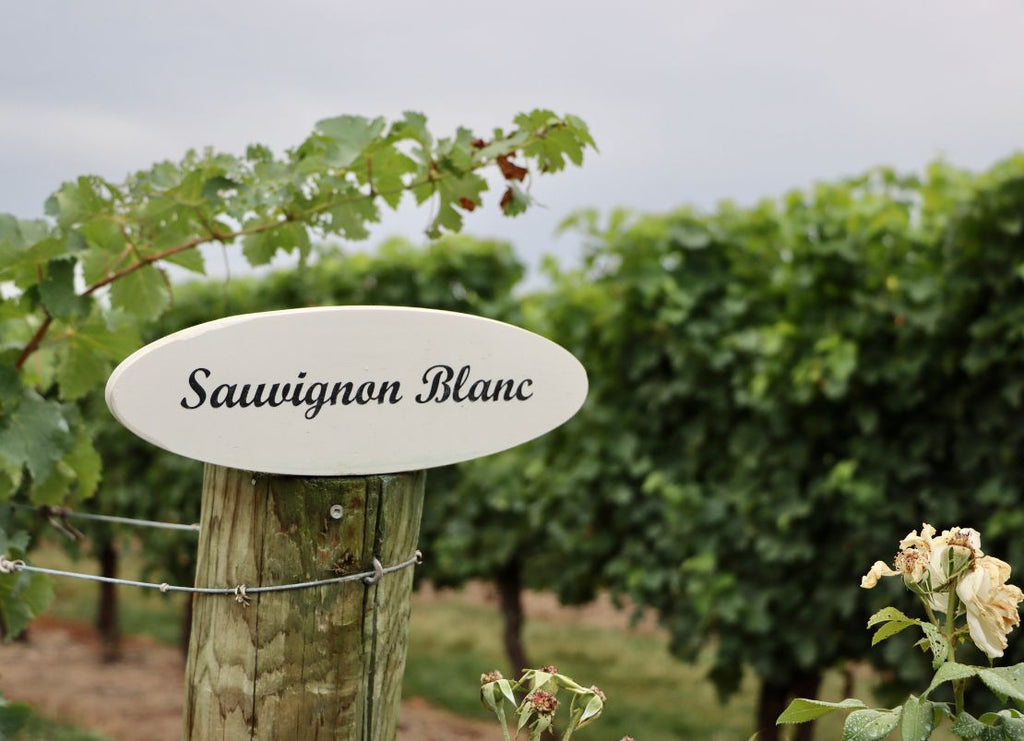
Sauvignon Blanc is one of those grape varieties that often announces itself before the glass reaches your lips. Its appeal is closely connected with aroma and freshness, with styles that can range from citrus, green apple and herbaceous notes to more tropical expressions depending on where the grapes are grown and how the wine is made. For many Sauvignon Blanc drinkers, that combination of aromatic intensity and lively acidity is precisely what makes the grape so refreshing.
This makes Sauvignon Blanc particularly interesting in alcohol-free winemaking because its identity doesn't depend on weight and tannin in the same way as a structured red wine. The challenge is instead to preserve delicate aromas and freshness while removing alcohol, which is technically difficult because some of the compounds responsible for wine's aroma can also be affected during dealcoholization. A successful alcohol-free Sauvignon Blanc therefore needs to retain enough aromatic definition, acidity and balance to remain recognisable after one of the wine's important components has been taken away.
For someone who already enjoys Sauvignon Blanc, this gives us a much more useful starting point than simply searching for a “non-alcoholic white wine”. Sauvignon Blanc from France can be very different from Sauvignon Blanc grown elsewhere, while a 100% varietal wine can behave differently from a traditional blend with Sémillon. Understanding those differences allows us to choose alcohol-free wine in exactly the same way we would choose conventional wine: by looking at the grape, origin, producer and style.
Sauvignon Blanc has travelled the world, but its roots are French
Sauvignon Blanc is now grown in many of the world's major wine-producing countries, but its history is deeply connected with France. The grape has particularly important associations with the Loire Valley and Bordeaux, two regions that demonstrate just how differently the same variety can be expressed. In the Loire, Sauvignon Blanc is responsible for celebrated wines from appellations including Sancerre and Pouilly-Fumé, while in Bordeaux it has traditionally been used both alone and in blends, particularly with Sémillon.
The relationship with Bordeaux is especially useful when we begin exploring alcohol-free Sauvignon Blanc. Bordeaux's white-wine tradition shows that Sauvignon Blanc doesn't necessarily have to stand alone, because Sémillon can contribute texture and breadth while Sauvignon Blanc brings freshness and aromatic character. This relationship survives in contemporary alcohol-free wines such as Tip Top White, where Sauvignon Blanc and Sémillon are used together rather than forcing one grape to provide every component of the finished wine.
Sauvignon Blanc also has an interesting family connection with one of the red grapes we have already explored. Genetic research has established that Sauvignon Blanc and Cabernet Franc are the parents of Cabernet Sauvignon, meaning that the aromatic white grape and the famous red variety are directly related. That connection is a useful reminder that grape varieties have histories of their own long before we begin discussing whether the finished wine contains alcohol.
What makes Sauvignon Blanc smell like Sauvignon Blanc?
Sauvignon Blanc's aromatic personality is one of its defining characteristics, and several families of aroma compounds contribute to the way we experience the grape. Among the most important are thiols, which can contribute aromas associated with citrus, grapefruit, passion fruit and other tropical fruit, while other compounds can contribute the greener and more herbaceous characteristics found in certain styles. The concentration and perception of these aromas depend on factors including vineyard conditions, grape ripeness, fermentation and winemaking.
This is why Sauvignon Blanc can taste dramatically different depending on where it comes from. A cool-climate expression may emphasise freshness, citrus and greener characteristics, while warmer conditions and different winemaking decisions can produce riper fruit and more tropical aromas. The grape remains Sauvignon Blanc in both cases, but the expression changes because wine is always the result of more than variety alone.
Those aromas become especially important when the wine is dealcoholized. Sauvignon Blanc without its aromatic personality would lose one of the qualities that makes the variety distinctive, so preserving volatile compounds becomes an important part of the technical challenge. The goal is not merely to create an acidic white beverage without alcohol, but to retain enough of Sauvignon Blanc's identity for the grape to remain meaningful in the glass.
Why removing alcohol can also affect aroma
Alcohol and aroma are connected more closely than they may appear. Ethanol influences how volatile aromatic compounds behave in wine and how they reach our nose, while the physical process used to separate alcohol can also affect those delicate compounds. This means that removing alcohol without considering aroma can leave a wine technically alcohol-free but sensorially much less interesting.
Modern dealcoholization therefore focuses increasingly on preserving or recovering aroma. Processes that operate under reduced pressure can lower the temperature required to separate alcohol, reducing the exposure of the wine to heat and helping protect temperature-sensitive aromatic compounds. Some approaches also separate aromatic fractions before or during dealcoholization so that desirable aromas can be retained or reintroduced into the finished wine.
This technical side of alcohol-free wine is particularly relevant for Sauvignon Blanc because aroma isn't simply an attractive extra. It is central to the grape's identity, and losing too much of it can make the wine feel anonymous even if its acidity remains intact. When we evaluate an alcohol-free Sauvignon Blanc, the nose can therefore tell us almost as much as the palate.
Acidity gives Sauvignon Blanc another advantage
Sauvignon Blanc is also naturally associated with refreshing acidity, which gives the wine energy and helps create the crisp sensation many drinkers enjoy. Acidity becomes particularly valuable when alcohol is removed because the finished wine generally has less weight and warmth than its conventional counterpart. A grape capable of retaining freshness can therefore provide an important structural element even when alcohol is no longer contributing to mouthfeel.
This doesn't mean that acidity alone can solve every problem created by dealcoholization. A wine that is excessively acidic without sufficient fruit or texture can feel sharp and incomplete, just as a wine with too much sweetness and insufficient acidity can feel heavy. The producer still has to create balance between fruit, acidity, aroma, sweetness and texture.
Sauvignon Blanc nevertheless starts with characteristics that make it an intriguing candidate for alcohol-free wine. Where Merlot offers softness and Syrah provides aromatic spice and tannic structure, Sauvignon Blanc brings a different set of tools: aroma, acidity and freshness. This is why exploring alcohol-free wine grape by grape tells us much more than treating the category as though every wine faces exactly the same challenge.
BERTIC0%T White begins with Sauvignon Blanc from Southwest France
BERTIC0%T No Alcohol White Wine gives us a useful place to begin because it is made from 100% Sauvignon Blanc in France and is currently labelled 0% alcohol. It comes from the Berticot cooperative in the Côtes de Duras area of Southwest France, a wine region situated between the influences of Bordeaux and Bergerac. The cooperative has been making wine since 1965, which means the alcohol-free range developed from an existing winemaking culture rather than from the idea of creating a soft drink that resembles wine.
The wine's aromatic profile includes green apple, citrus and more exotic fruit characteristics, which makes sense in the context of Sauvignon Blanc's naturally expressive aromatic character. These aromas aren't simply decorative tasting vocabulary, because they help us understand what the producer is trying to preserve when the alcohol is removed. If Sauvignon Blanc's identity is closely connected with freshness and aroma, those qualities become part of the measure by which an alcohol-free version should be judged.
BERTIC0%T is also useful because it demonstrates how a traditional wine producer can approach the alcohol-free category without abandoning regional identity. The wine remains connected with a grape that is at home in Southwest France and with a cooperative that has decades of experience with the region's vineyards. For us, that provenance makes the bottle more interesting than a wine whose only story is the absence of alcohol.
No Limit offers another 100% French Sauvignon Blanc
No Limit Alcohol Free White Wine gives us another French interpretation of Sauvignon Blanc and is also currently listed as 0% alcohol. Like BERTIC0%T, it allows the grape to stand on its own rather than blending Sauvignon Blanc with another white variety. This gives someone who already knows the grape an opportunity to compare different alcohol-free interpretations without changing the basic varietal reference point.
Having more than one example matters because there is no such thing as one universal Sauvignon Blanc flavour. Even when two wines use the same grape, differences in vineyard origin, grape maturity, fermentation, dealcoholization and final balancing can lead to noticeably different results. The same principle applies to conventional wine, where nobody would expect every Sauvignon Blanc from every producer to taste identical.
This is an important stage in the development of alcohol-free wine because consumers need choice within a grape variety rather than simply choice between red, white and sparkling. Once we can compare one Sauvignon Blanc with another, we can begin developing preferences based on style rather than accepting or rejecting the entire alcohol-free category after tasting a single bottle. That is a much more mature way of buying wine.
Then Sauvignon Blanc meets Sémillon
After exploring Sauvignon Blanc on its own, Tip Top Alcohol Free White Wine gives us a different perspective because it combines Sauvignon Blanc and Sémillon. The wine comes from Les Vignobles Raguenot in Bordeaux and is currently labelled <0.5% alcohol, which means we should not describe it as 0% or 0.0%. It is also specified as dry and has a recommended serving temperature of 8°C.
The blend is particularly interesting because Sauvignon Blanc and Sémillon have a long-established relationship in Bordeaux white wine. Sauvignon Blanc can contribute aromatic freshness and acidity, while Sémillon can add a different sense of texture and breadth, allowing the winemaker to construct the wine from complementary varieties rather than relying on Sauvignon Blanc alone. In an alcohol-free context, that ability to build texture through blending can become especially useful because the finished wine no longer has alcohol contributing the same degree of weight.
Tip Top therefore shouldn't simply be understood as another alcohol-free Sauvignon Blanc competing with the varietal wines. It represents a different philosophy, one rooted in Bordeaux's tradition of blending white varieties to create balance. Someone who loves crisp varietal Sauvignon Blanc may prefer one direction, while a drinker accustomed to Bordeaux Blanc may find the Sauvignon-Sémillon relationship more familiar.
Sauvignon Blanc can also become sparkling wine
Sauvignon Blanc doesn't have to remain still, and this gives the grape another interesting role within the alcohol-free category. Our collection includes No Limit Alcohol Free Sparkling Wine, made from Sauvignon Blanc and currently listed at 0% alcohol, while the sparkling Tip Top combines Sauvignon Blanc with Sémillon and is listed at <0.5%.
Turning Sauvignon Blanc into a sparkling wine changes the sensory experience considerably because carbonation introduces another structural element. Bubbles contribute freshness, texture and movement on the palate, which can be particularly useful in alcohol-free wine where the body provided by ethanol is absent. The grape's naturally fresh aromatic profile also makes Sauvignon Blanc a logical candidate for an aperitif-style sparkling wine.
This illustrates why grape-focused exploration can lead us in several directions. The same variety can produce a still 0% white, form part of a <0.5% Bordeaux-style blend, or become the base of a sparkling alcohol-free wine. Sauvignon Blanc is therefore not one product but a starting point from which producers can build several different styles.
Is alcohol-free Sauvignon Blanc sweet?
Sauvignon Blanc drinkers often come to the alcohol-free category looking for the crispness they associate with conventional dry white wine, so sweetness is an important consideration. Dealcoholization changes the balance of wine because removing alcohol reduces weight and alters the way fruit, acidity and residual sugar are perceived. Producers may therefore need to rebalance the wine after dealcoholization, and different wines can arrive at very different final styles.
As with the red wines we have discussed, fruitiness should not be confused with sweetness. A Sauvignon Blanc can smell strongly of citrus, green apple, passion fruit or other fruit while remaining dry, because those descriptors refer to aromatic and flavour characteristics rather than directly to sugar content. Tip Top White, for example, is explicitly classified as dry in its current product specifications.
If you prefer dry white wine, the best approach is to look beyond the phrase “alcohol-free Sauvignon Blanc” and examine the individual wine. Grape variety, tasting profile, residual sugar information where available, acidity and producer style all provide useful clues. Alcohol content tells you how much alcohol is present; it doesn't tell you whether the wine will taste sweet.
Does alcohol-free Sauvignon Blanc taste like grape juice?
Alcohol-free Sauvignon Blanc and Sauvignon Blanc grape juice are fundamentally different products because of fermentation. Grape juice hasn't undergone alcoholic fermentation, whereas dealcoholized Sauvignon Blanc is first made as wine, allowing yeast and fermentation to transform the juice and develop wine-related aromas and flavours. The alcohol created during fermentation is subsequently removed or reduced.
This matters particularly for Sauvignon Blanc because some of its characteristic aromas are closely connected with what happens during fermentation. The winemaker is therefore trying to preserve a fermented-wine aromatic profile rather than simply preserving the taste of fresh grapes. Dealcoholization can modify that profile, but it doesn't turn fermented wine back into unfermented grape juice.
A poorly balanced alcohol-free white can certainly feel too simple or juice-like, but that is a question of quality and winemaking rather than a definition of the category. The same way we wouldn't judge every conventional Sauvignon Blanc by one disappointing bottle, it makes little sense to judge every alcohol-free Sauvignon Blanc after tasting a single example. The category is becoming sufficiently diverse for those distinctions to matter.
0%, 0.0% and <0.5% need to remain precise
As our alcohol-free collection grows, we think accurate alcohol information becomes increasingly important. Wines labelled 0%, wines labelled 0.0%, and wines labelled <0.5% should be described using the declaration that belongs to that specific product rather than having those figures treated as synonyms. This is particularly important online, where customers rely on the product information to make decisions before they ever hold the bottle.
The Sauvignon Blanc wines discussed here demonstrate why. BERTIC0%T White and No Limit White are currently listed as 0%, while Tip Top White is listed as <0.5%, and we preserve those distinctions when describing the wines.
For some customers the difference will have little influence on which wine they choose, while for others the exact declaration may be essential. Our role is not to decide whether that difference matters to the customer but to provide the information clearly enough for them to decide for themselves. Precision builds trust, and alcohol-free wine deserves the same technical accuracy as conventional wine.
Sauvignon Blanc benefits from being served properly
Temperature is especially important for aromatic white wine because serving a wine too warm or too cold can alter how we experience both aroma and flavour. An alcohol-free Sauvignon Blanc is generally at its best well chilled, but not so cold that its aromas disappear completely. Producer-specific recommendations should take priority, and Tip Top White, for example, specifies an optimal serving temperature of 8°C.
Glassware also plays a role because Sauvignon Blanc's aromatic character is one of its principal attractions. A proper white-wine glass gives the wine room to release aroma while maintaining a relatively cool temperature, allowing you to experience more than simply acidity and fruit on the palate. Pouring a smaller amount and topping up as needed can also help keep the wine cool at the table.
Once opened, alcohol-free wine should be treated carefully because alcohol itself has preservative properties. Resealing the bottle and refrigerating it is therefore sensible, while the individual producer's storage guidance should always be followed where provided. Good service doesn't transform an ordinary wine into a great one, but poor service can prevent a good wine from showing what it has to offer.
What food works with alcohol-free Sauvignon Blanc?
Sauvignon Blanc's acidity and aromatic freshness make it particularly useful at the table. Fish, seafood, fresh vegetables, salads, goat's cheese and lighter dishes are traditional starting points because the wine's acidity can provide freshness while its aromatic character complements rather than dominates the food. Tip Top's current specifications, for example, recommend fish and seafood among its pairings.
Alcohol-free versions can be lighter in body than conventional Sauvignon Blanc, so matching intensity becomes important. A delicate alcohol-free white may disappear alongside a very rich or heavily spiced dish, while fresh ingredients, herbs, vegetables and seafood can allow its acidity and aroma to remain visible. The best pairing is therefore not simply “white wine equals fish” but a balance between the intensity of the wine and the intensity of the plate.
Sauvignon Blanc can also be particularly interesting with dishes containing fresh herbs, citrus or green vegetables because these flavours can echo aspects of the grape's aromatic profile. The precise pairing will depend on the individual wine, especially when Sémillon is added to the blend or when Sauvignon Blanc is made sparkling. Understanding the bottle remains more useful than following a rigid rule.
Where should a Sauvignon Blanc drinker begin?
If Sauvignon Blanc is already your preferred white grape, beginning with a 100% Sauvignon Blanc makes sense because it gives you the clearest reference point. BERTIC0%T White and No Limit White both allow you to explore French Sauvignon Blanc at a current declaration of 0%, while their different producers and styles provide an opportunity to see how much variation can exist within the same grape.
Once you understand Sauvignon Blanc on its own, a Sauvignon Blanc-Sémillon blend such as Tip Top provides a logical next step. The addition of Sémillon introduces the blending tradition of Bordeaux and demonstrates how another grape can contribute to the texture and balance of the finished wine. Because Tip Top is labelled <0.5%, it also provides a practical example of why alcohol declarations need to be checked wine by wine rather than assumed from the category name.
From there, sparkling Sauvignon Blanc opens another direction entirely. Comparing still and sparkling versions of the same grape can reveal how carbonation changes texture, freshness and the overall drinking experience. At that point, you are no longer simply searching for “a white wine without alcohol”; you are exploring Sauvignon Blanc.
Frequently asked questions about non-alcoholic Sauvignon Blanc
Can you get Sauvignon Blanc without alcohol?
Yes. Sauvignon Blanc is used for alcohol-free still and sparkling wines, both as a 100% varietal wine and in blends with other grapes such as Sémillon. The exact alcohol declaration differs between products, so the individual bottle should always be checked rather than assuming that every alcohol-free Sauvignon Blanc is 0.0%.
What does non-alcoholic Sauvignon Blanc taste like?
The style depends on the origin, producer and winemaking, but Sauvignon Blanc is generally valued for freshness, acidity and expressive aromas that can include citrus, green fruit, herbaceous characteristics and more tropical notes. Dealcoholization changes the wine's body and can affect aromatic expression, so a good producer needs to preserve and rebalance these characteristics carefully. The finished wine should therefore be judged on its own balance rather than on whether it perfectly imitates a conventional Sauvignon Blanc.
Is non-alcoholic Sauvignon Blanc sweet?
Not necessarily. Fruit aromas such as citrus, apple or tropical fruit do not automatically indicate sweetness, because aroma and residual sugar are different aspects of wine. If you specifically prefer dry wine, check the tasting style and technical information of the individual bottle.
Is alcohol-free Sauvignon Blanc the same as grape juice?
No. Dealcoholized Sauvignon Blanc undergoes fermentation into wine before its alcohol is removed or reduced, while ordinary grape juice hasn't undergone alcoholic fermentation. That fermentation is important to the development and expression of many of the aromas and flavours we associate with wine.
Is every alcohol-free Sauvignon Blanc 0.0%?
No. Our current collection itself illustrates the distinction: BERTIC0%T White and No Limit White are listed at 0%, while Tip Top White is listed at <0.5%. We therefore recommend checking the exact ABV declaration of every bottle when the precise alcohol content matters to you.
What temperature should alcohol-free Sauvignon Blanc be served at?
Alcohol-free Sauvignon Blanc is generally best served chilled, although the ideal temperature depends on the individual wine. Tip Top White, for example, has a recommended serving temperature of 8°C, which provides a useful reference for a fresh Bordeaux-style white. Serving an aromatic white excessively cold can suppress aroma, so colder isn't always better.
Sauvignon Blanc shows why alcohol-free white wine deserves to be taken seriously
Sauvignon Blanc tells a different alcohol-free story from the red varieties we have explored. With Cabernet Sauvignon, much of the discussion centres on tannin and structure; with Merlot, texture and roundness become particularly important; with Syrah, aromatic spice and tannin enter the picture. Sauvignon Blanc shifts our attention towards acidity, freshness and the preservation of delicate aromas, showing that dealcoholization presents different challenges depending on the grape.
The growing choice within Sauvignon Blanc is equally important. We can now compare 100% Sauvignon Blanc with a traditional Sauvignon-Sémillon blend, and we can move from still wine into sparkling wine without abandoning the grape altogether. Those choices allow us to discuss alcohol-free wine through the language that wine lovers already understand rather than defining every bottle primarily by what has been removed.
At Dis&Dis, that is the direction we believe the category should take. A customer should be able to discover Sauvignon Blanc because they love its freshness, choose between varietal and blended expressions, learn about the producer and understand the stated alcohol level before deciding which bottle belongs on their table. Removing the alcohol should not mean removing everything that makes Sauvignon Blanc worth knowing.
Explore our alcohol-free white wine collection and discover the different expressions of Sauvignon Blanc.
Related post
01
Oct
24
Sep