
Non-Alcoholic Riesling: Why Riesling Works So Well Without Alcohol
Riesling has spent much of its history being misunderstood. For some wine drinkers, the name still immediately suggests a sweet white wine, yet Riesling is capable of producing everything from intensely dry, mineral styles to some of the world's most concentrated sweet wines. What connects those very different expressions is not sweetness but the grape's remarkable combination of acidity, aroma and its ability to reflect where it is grown.
Those qualities make Riesling particularly interesting when alcohol is removed. Dealcoholization takes away more than ethanol: it changes the weight, warmth and balance of a wine, forcing the remaining acidity, fruit, sweetness and texture into a new relationship. Riesling begins this process with two valuable characteristics already firmly in place: naturally pronounced acidity and an aromatic identity that does not depend entirely on alcohol for its personality.
This doesn't mean that making good non-alcoholic Riesling is easy, nor does it mean that removing alcohol leaves the wine unchanged. It does, however, help explain why Riesling has become such an important grape for producers exploring alcohol-free white wine. To understand why, we first need to understand what makes Riesling different.
Riesling's story begins in Germany
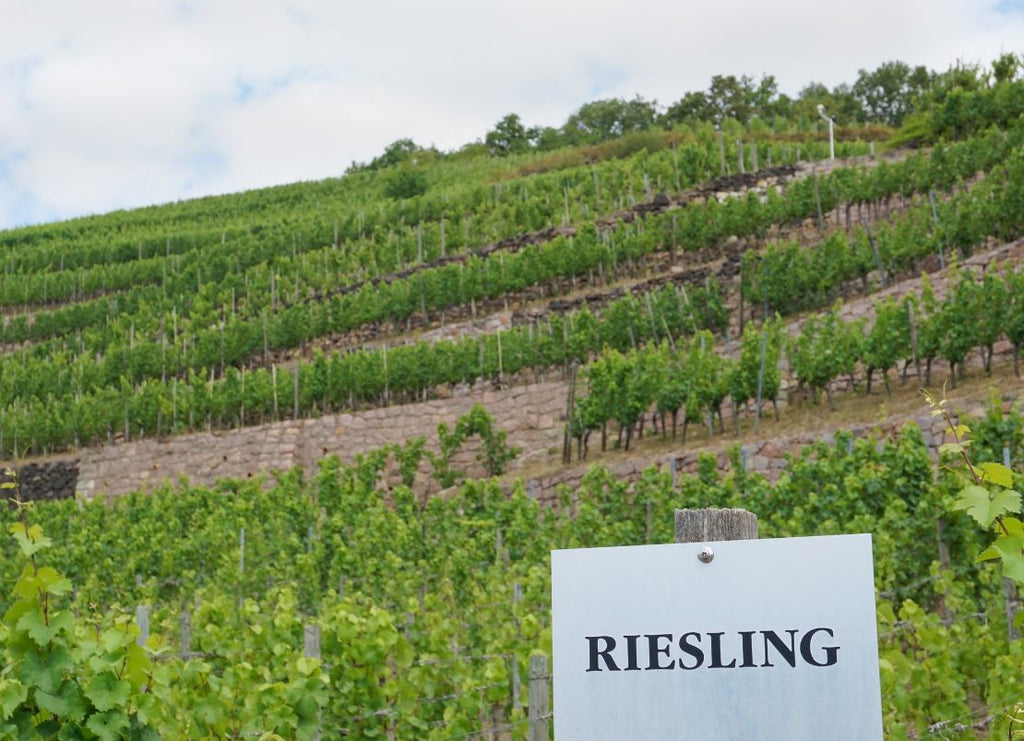
Riesling's history is inseparable from Germany, where written references to the variety date back centuries and where it remains one of the country's most important grapes. It is particularly associated with regions such as the Mosel, Rheingau and Pfalz, although it is grown in several other German wine regions as well. Over time, Riesling also became important in neighbouring Alsace, Austria and other parts of Europe before travelling considerably further around the wine world.
Germany is especially useful for understanding Riesling because the grape has traditionally been made in an enormous range of styles. Some wines are bone dry, while others contain varying degrees of residual sugar, and the relationship between sweetness and acidity can be remarkably sophisticated. A Riesling with some residual sugar can still feel refreshing rather than heavy when sufficient acidity provides balance.
This history also challenges the assumption that serious wine needs high alcohol. Riesling has long demonstrated that aroma, acidity, fruit concentration and balance can create compelling wines at alcohol levels below those commonly associated with powerful red wines or richer white varieties. Alcohol-free Riesling takes that idea much further, but it doesn't begin from a grape whose identity was ever dependent on sheer alcoholic weight.
Acidity is one of Riesling's greatest strengths
Acidity provides wine with freshness and structure, and Riesling is particularly well known for retaining it. Even as grapes ripen and develop sugar, Riesling can preserve significant acidity, although the precise balance depends on climate, harvest timing and vineyard conditions. This is one of the reasons the grape can produce wines with impressive longevity as well as wines that feel exceptionally refreshing when young.
That acidity becomes extremely important when alcohol is removed. Ethanol normally contributes body and warmth, and when it disappears the wine can feel lighter and the relationship between sweetness and fruit can become more obvious. A grape with insufficient acidity may therefore struggle to maintain freshness once dealcoholized.
Riesling begins with a useful structural advantage because its acidity can provide a backbone even when alcohol no longer supplies the same weight. Acidity cannot replace ethanol, and an alcohol-free Riesling still needs careful balancing, but it gives the winemaker something substantial to work with. This is one reason Riesling can feel particularly convincing in lighter alcohol-free styles.
Aroma gives Riesling another advantage
Riesling is also one of the world's most recognisably aromatic white varieties. Depending on origin, ripeness and age, its wines can show citrus, green apple, peach, apricot, floral characteristics and a wide range of other aromas. Cooler expressions may emphasise citrus and fresh fruit, while riper styles can move towards stone fruit and more concentrated aromatic profiles.
These aromas matter enormously when alcohol is removed because aroma helps establish varietal identity before texture even enters the equation. If an alcohol-free wine retains recognisable Riesling aromatics, the drinker already has a connection with the grape despite the lighter mouthfeel. The challenge for the producer is protecting those volatile compounds during dealcoholization.
Reduced-pressure techniques can help because lowering the pressure also lowers the temperature at which alcohol can be separated from wine. This allows producers to avoid exposing delicate wine to the temperatures that would otherwise be required to evaporate ethanol under normal atmospheric pressure. Temperature is only one part of aromatic preservation, but careful dealcoholization is particularly important when the grape's identity depends so strongly on its nose.
Riesling proves that sweetness and fruitiness are not the same thing
Few grapes suffer more from confusion around sweetness than Riesling. Because the variety has historically been used to produce exceptional sweet wines as well as dry ones, some consumers assume that seeing Riesling on a label tells them how much sugar will be in the glass. It doesn't.
A dry Riesling can smell intensely of fruit while containing relatively little residual sugar. Peach, apple, citrus and floral aromas are descriptions of what we perceive through smell and taste, whereas sweetness refers to the sensory effect of sugar within the wine. Acidity further complicates the picture because high acidity can make a wine containing some residual sugar taste much less sweet than the number alone might suggest.
This distinction becomes even more important in alcohol-free wine. Once alcohol is removed, the balance between acidity, residual sugar and fruit changes, and producers may need to adjust the finished wine carefully to create harmony. Looking at the complete style of an alcohol-free Riesling is therefore much more useful than assuming either that Riesling is sweet or that all alcohol-free white wine must taste sweet.
Why Riesling and dealcoholization can work together
Imagine wine as a structure supported by several components. Alcohol contributes body and warmth, acidity provides freshness, sugar can provide sweetness and weight, while aromatic compounds and flavour create much of the wine's identity. Removing one of those components inevitably changes the entire structure.
Riesling is interesting because several of its other components can remain highly expressive. Strong acidity can preserve freshness, while pronounced varietal aroma can maintain personality even after the wine becomes lighter. If the balance between acidity, fruit and any residual sugar is handled carefully, the result can still feel coherent despite the missing alcoholic warmth.
This doesn't mean alcohol-free Riesling should be expected to reproduce conventional Riesling perfectly. Ethanol influences texture and aromatic perception, so the experience will inevitably change after dealcoholization. The more useful question is whether the resulting wine remains balanced, recognisable and enjoyable as Riesling.
Weinkönig Riesling Nr. 420 brings the story back to Germany
Within our collection, Weinkönig Riesling Nr. 420 Organic provides a particularly logical example because it brings together Riesling, Germany and alcohol-free winemaking. The wine is made from Riesling and is currently listed at 0% alcohol, giving drinkers a varietal expression rather than a blend in which the grape's character is shared with another variety.
Weinkönig also has a history in alcohol-free wine that predates the current no- and low-alcohol boom. The company was founded in Koblenz in 1978 and has been working with alcohol-free wine since the 1980s, meaning its involvement in the category stretches back decades rather than beginning with the most recent change in consumer habits. That experience is particularly relevant with a grape such as Riesling, whose balance depends so heavily on acidity and aroma.
The combination gives us a useful way to understand what alcohol-free wine can become. Instead of beginning with an anonymous white base and focusing exclusively on removing alcohol, we begin with a recognised grape, a country closely connected with that grape's history and a producer experienced in dealcoholization. The alcohol percentage matters, but it is not the only interesting fact about the bottle.
Germany has a particular relationship with alcohol-free wine
Germany is an important part of the history of dealcoholized wine. Experiments with removing alcohol from wine go back well over a century, and German producers have played a meaningful role in developing and commercialising techniques for doing so. The country's long experience with naturally lighter wine styles also provides an interesting cultural background for the modern alcohol-free category.
This history matters because alcohol-free wine is sometimes discussed as though it appeared suddenly in response to a recent wellness trend. Consumer interest has certainly accelerated dramatically, but the technical challenge of removing alcohol while preserving wine character is much older. Producers have been experimenting with that problem for generations.
Riesling sits naturally within that story because it is one of Germany's defining grapes. When a German producer makes an alcohol-free Riesling, the result connects a traditional variety with a category that has its own surprisingly long technical history. That gives the wine considerably more context than the simple description “white wine without alcohol” suggests.
Riesling is a useful contrast with Chardonnay
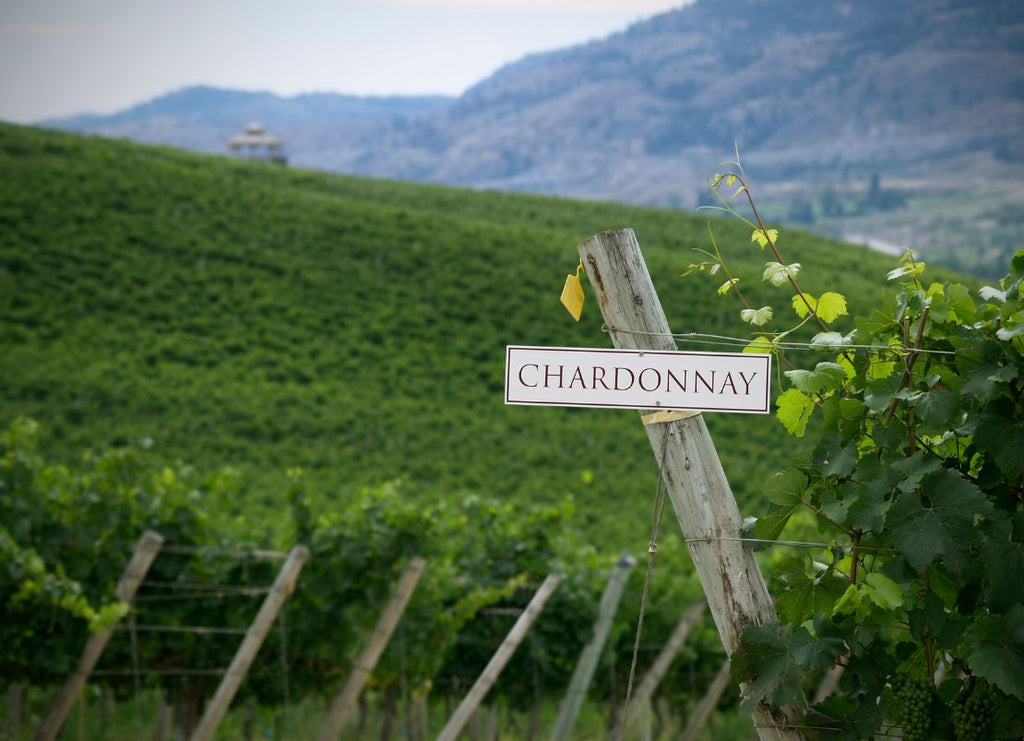
Our previous article explored Chardonnay, a grape whose personality can be shaped extensively by cellar decisions such as oak, malolactic conversion and lees ageing. Riesling provides an almost ideal contrast because its varietal aroma and acidity are often much more central to its identity. The winemaker still matters enormously, but the tools used to build complexity can be quite different.
This distinction becomes particularly useful in alcohol-free wine. Chardonnay can present a substantial challenge around texture because removing alcohol can expose how much of the wine's body previously came from ethanol. Riesling's pronounced acidity and aromatic profile provide different structural resources once that alcohol disappears.
Neither variety is inherently better. Someone who enjoys broad, textured Chardonnay may continue to prefer Chardonnay without alcohol, while a drinker attracted to freshness, citrus, stone fruit and high acidity may find Riesling more immediately convincing. Alcohol-free wine becomes much more useful when consumers can make precisely this kind of grape-based choice.
Riesling and Sauvignon Blanc are aromatic, but not identical
Riesling can also be compared with Sauvignon Blanc because both varieties are celebrated for aroma and acidity. Sauvignon Blanc often shows citrus, green and herbaceous characteristics alongside tropical notes in some climates, while Riesling frequently moves through citrus, apple, floral and stone-fruit territory. Their aromatic personalities are distinct even though they share some structural advantages.
For alcohol-free winemaking, both grapes place considerable importance on aromatic preservation. A producer who removes alcohol but loses too many volatile compounds risks creating a wine that retains acidity but has lost much of its varietal personality. Gentle processing and careful balancing therefore become central to the finished quality.
For consumers, the distinction is useful because it means “fresh alcohol-free white wine” doesn't have to describe one flavour profile. Sauvignon Blanc and Riesling can both provide freshness while offering very different aromatic experiences. That diversity is precisely what the alcohol-free category needs if it is going to behave like a genuine wine category.
What about the famous petrol aroma in aged Riesling?
One of Riesling's most unusual characteristics is the petrol, kerosene or petroleum-like aroma that can develop as some wines age. This is a genuine and well-studied feature of Riesling rather than simply colourful wine vocabulary. Researchers have linked the aroma primarily to a compound called TDN (1,1,6-trimethyl-1,2-dihydronaphthalene), which can gradually develop from aroma precursors already present in the wine.
TDN is generally much less noticeable in young Riesling and can become more prominent during bottle ageing. Research also indicates that vineyard conditions matter: greater sunlight exposure of the grapes can increase the precursors associated with later TDN formation, while storage temperature can influence how quickly the compound develops in the bottle. This means that the famous petrol note is connected not only with age, but also with what happened to the grapes in the vineyard and how the finished wine was subsequently stored.
Whether this character is desirable is more complicated. At lower concentrations, TDN can form part of the complex mature aroma of Riesling, while at high concentrations the kerosene character can become dominant and undesirable. Research from the Australian Wine Research Institute also found that higher TDN concentrations did not automatically correspond with lower wine quality, showing why experienced Riesling drinkers can have very different opinions about this distinctive aroma.
For alcohol-free Riesling, the subject becomes even more interesting because dealcoholization changes the aromatic environment of the wine. Research has found that ethanol concentration can influence the sensory threshold at which TDN is detected, which means that aroma compounds can be perceived differently as alcohol levels change. We should not claim that this means an alcohol-free Riesling will necessarily develop a stronger petrol character, but it does demonstrate something important: removing alcohol can change how we perceive the aromas that remain, not merely the weight of the wine.
Can non-alcoholic Riesling still be dry?
Yes, because alcohol level and sweetness are separate measurements. A wine can contain little or no alcohol and still be made in a dry style, just as conventional Riesling can range from dry to intensely sweet. What matters is the residual sugar of the finished wine and, just as importantly, how that sugar is balanced by acidity and the rest of the wine's structure.
The sensory perception can nevertheless become more complicated after dealcoholization. Removing alcohol changes body and balance, potentially making fruit or residual sugar seem more prominent than they did in the original wine. Producers therefore need to consider the final sensory result rather than simply reaching a numerical alcohol target.
This is why we prefer to describe each alcohol-free Riesling according to its actual specifications rather than making assumptions based on the grape. A customer looking for a dry white wine needs information about the individual bottle, not a general promise that every Riesling behaves identically. Good wine buying begins with understanding style.
Does alcohol-free Riesling taste like grape juice?
A properly dealcoholized Riesling begins as wine, not ordinary grape juice. The grapes undergo alcoholic fermentation, during which yeast converts sugars into alcohol and creates numerous aromatic and flavour compounds. Dealcoholization takes place after wine has been created, which means the production pathway is fundamentally different from bottling unfermented grape juice.
This distinction is especially meaningful with Riesling because fermentation contributes to the wine's aromatic expression. The producer is trying to preserve a fermented wine while reducing or removing its alcohol, rather than attempting to make grape juice taste more sophisticated. That does not mean dealcoholization leaves the wine unchanged, but it explains why the two products should not be treated as equivalents.
An alcohol-free Riesling that tastes excessively simple or sweet may remind a drinker of juice, but that is a judgement about the individual wine rather than a definition of dealcoholized wine. Quality varies within alcohol-free wine just as it does within conventional wine. The more useful question is how effectively the producer has preserved wine character after alcohol removal.
Serving temperature matters enormously with Riesling
Riesling is generally enjoyed chilled, but serving it as cold as possible is not necessarily an advantage. Extremely low temperatures suppress aroma, and aromatic expression is one of the grape's greatest strengths. A wine that seems almost neutral straight from an ice-filled cooler may become considerably more expressive after several minutes in the glass.
For many alcohol-free Riesling styles, approximately 8–10°C provides a sensible starting point, although producer-specific recommendations should always take priority. As the wine warms slightly, citrus, apple, peach and floral aromas can become easier to identify while the acidity remains refreshing. This gradual development is part of the tasting experience rather than a problem to be avoided.
A proper white-wine glass also gives Riesling enough space to express its aromas. Alcohol-free wine doesn't need special glassware simply because the ethanol has been removed, and serving it in a conventional wine glass reinforces an important point: we are still interested in aroma, balance, structure and flavour. Those characteristics deserve to be experienced properly.
Riesling is one of the most versatile wines at the table
Riesling's combination of acidity and aromatic intensity has made it a remarkably adaptable food wine. Fresh fish, seafood, vegetables and lighter dishes can work naturally with dry styles, while Riesling's fruit and acidity can also complement foods containing aromatic herbs, ginger and certain spices. The correct pairing depends on the sweetness, intensity and acidity of the individual bottle.
This versatility can become particularly useful with alcohol-free Riesling because spicy food and high alcohol are not always comfortable partners. Alcohol can intensify the sensation of chilli heat, whereas an alcohol-free wine removes that particular interaction. A Riesling with strong acidity and some fruit can therefore be an interesting companion to moderately spicy dishes, provided the wine itself has sufficient aromatic intensity.
It is still important not to create one universal pairing rule. A bone-dry Riesling and a sweeter Riesling won't behave identically with food, regardless of whether either contains alcohol. Understanding the individual wine remains more useful than simply seeing the grape name and reaching for a predetermined dish.
0%, 0.0% and <0.5% should always be stated accurately
As with every wine in this series, we believe the actual alcohol declaration should be preserved rather than simplified for marketing. A product labelled 0% should be described as 0%, a product labelled 0.0% should remain 0.0%, and a product labelled <0.5% should not be silently moved into either of those categories. These distinctions are particularly important for customers who deliberately check alcohol information before purchasing.
This is also why we avoid using 0.0% as a generic synonym for alcohol-free wine. The broader category contains products with different declarations, and an article about non-alcoholic Riesling shouldn't imply that every bottle necessarily carries the same figure. The product specification is the appropriate source for the individual wine.
Precision may appear less exciting than tasting notes or vineyard stories, but it is part of wine expertise. We expect retailers to distinguish between grape varieties, regions and vintages accurately, and alcohol information deserves exactly the same care. Building trust around alcohol-free wine requires getting the small details right.
Who is non-alcoholic Riesling particularly suited to?
Riesling is a natural starting point for someone who values freshness and aroma more than the weight of a full-bodied wine. Drinkers who already enjoy dry German Riesling, aromatic white wines or high-acid styles may find that some of the qualities they care about remain particularly visible after dealcoholization. The absence of alcoholic warmth is still noticeable, but it doesn't remove the grape's acidity or automatically erase its aromatic identity.
It can also be a useful grape for someone who has tried an alcohol-free white and found it too soft or sweet. Riesling's acidity can provide the tension that such a drinker may have been missing, although the exact sweetness and balance of each bottle still need to be considered individually. One unsuccessful alcohol-free white doesn't tell you whether the entire category is unsuitable for your palate.
This is the same principle we apply to conventional wine. Someone who dislikes heavily oaked Chardonnay might discover that they love Riesling, while someone who finds Sauvignon Blanc too herbaceous may prefer Riesling's fruit and floral profile. Removing alcohol should not remove those distinctions between grape varieties.
Frequently asked questions about non-alcoholic Riesling
Can you get Riesling without alcohol?
Yes. Riesling can be fermented into wine and subsequently dealcoholized, allowing producers to create alcohol-free expressions while attempting to retain the grape's acidity and aromatic character. The exact alcohol declaration varies by product and should always be checked on the individual bottle.
Is non-alcoholic Riesling sweet?
Not necessarily. Riesling is capable of producing wines ranging from dry to intensely sweet, and the grape name alone doesn't tell you the residual sugar of the finished wine. Alcohol-free Riesling should therefore be evaluated according to its individual style and balance rather than assumed to be sweet.
Why is Riesling good for alcohol-free wine?
Riesling combines naturally high acidity with a distinctive aromatic profile, giving the producer important structural and sensory components after alcohol is removed. Its freshness can help maintain balance, while its aromas help preserve varietal identity despite the lighter mouthfeel. These characteristics don't make successful dealcoholization automatic, but they provide a promising foundation.
Does alcohol-free Riesling taste like normal Riesling?
It can retain recognisable Riesling characteristics, particularly its acidity and aromatic fruit profile, but it will not be identical because alcohol contributes body, warmth and influences flavour perception. The objective is better understood as preserving varietal character and balance rather than reproducing every sensation of conventional wine. Quality also varies considerably between producers.
Is Riesling the same as a sweet German wine?
No. Germany produces Riesling across a broad spectrum of sweetness levels, including distinctly dry wines. The historical association between Riesling and sweetness represents only part of the grape's much wider stylistic range.
What temperature should non-alcoholic Riesling be served at?
Approximately 8–10°C is a useful starting point for many alcohol-free Rieslings, although the producer's recommendation should take priority where available. Serving Riesling excessively cold can suppress the aromas that make the grape so distinctive. Allowing the wine to warm gradually in the glass often reveals considerably more character.
Riesling may be one of the grapes that best explains the future of alcohol-free wine
Riesling teaches us something important about what remains when alcohol is taken away. Wine has never been composed of alcohol alone, and a grape with pronounced acidity, aroma and a strong varietal identity still has meaningful components with which the winemaker can work. Dealcoholization changes the wine, but it doesn't automatically erase the grape.
That makes Riesling particularly relevant as alcohol-free wine becomes more sophisticated. Instead of asking only whether a bottle tastes sufficiently similar to conventional wine, we can ask whether it expresses Riesling convincingly, whether its acidity and fruit are balanced, and whether the producer has preserved enough aromatic character to make the wine interesting. Those are much more useful questions because they treat the bottle as wine rather than as an imitation.
At Dis&Dis, this is exactly where we believe the category becomes exciting. Cabernet Sauvignon showed us structure, Merlot demonstrated softness and blending, Syrah brought pepper and savoury aroma, Sauvignon Blanc highlighted freshness, and Chardonnay showed the influence of winemaking. Riesling adds another lesson: sometimes acidity and aroma can carry a wine further than alcoholic strength ever could.
Explore our alcohol-free white wine collection and discover Riesling alongside the other grape varieties shaping the new generation of alcohol-free wine.
Related post
06
Oct
01
Oct