
Halal Wine: What It Is, How It's Made, and the Best Bottles to Buy Online
Wine and Islamic dietary law have historically had a simple relationship: wine contains alcohol, and alcohol is prohibited under halal guidelines. End of story.
But the rise of premium dealcoholized wine — real wine with the alcohol carefully removed — has opened up a genuinely interesting question for Muslim consumers and the wider halal food community: can a wine with 0.0% alcohol be considered halal?
This guide explores that question thoughtfully and practically, looking at what halal wine actually means, how dealcoholized wines are produced, where scholarly opinion stands, and how Muslim wine enthusiasts and curious consumers can navigate the options available.
What Is Halal Wine?
The term 'halal wine' is used in different ways by different producers and retailers, and it's important to understand the distinctions:
Non-Alcoholic Dealcoholized Wine (0.0% ABV)
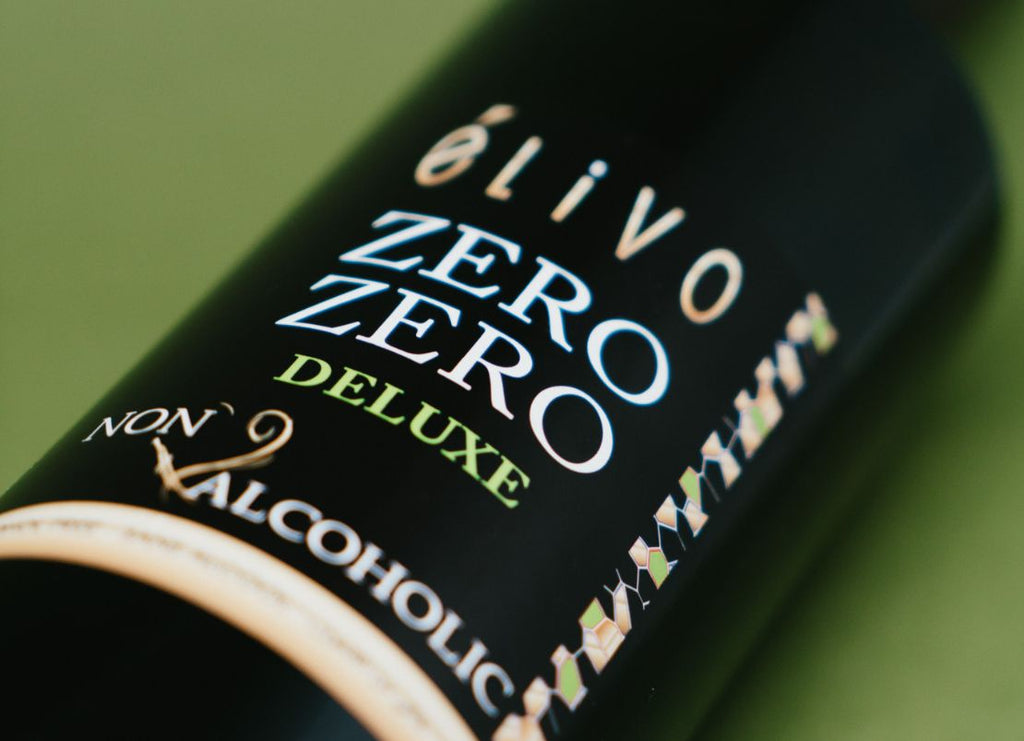
This is wine in the fullest sense — made from fermented grapes by real winemakers — from which the alcohol has been completely removed after production. The result contains 0.0% ABV (or technically <0.01% in some cases). These wines are produced by established European winemakers and go through the same quality standards as conventional wine, minus the final alcoholic content.
Grape-Based Non-Alcoholic Beverages
Some products marketed as 'halal wine' are not technically wine at all — they are sparkling or still grape juices, sometimes with added flavourings. These are clearly alcohol-free but may lack the complexity and genuine wine character of a properly dealcoholized wine.
The Halal Certification Question
Not all dealcoholized wines carry formal halal certification, though many contain 0.0% alcohol. Halal certification involves an independent body verifying the entire production process — from grape to bottle — ensuring no prohibited substances are used at any stage.
The Islamic Scholarly Debate
It's important to acknowledge that opinions within Islamic scholarship on dealcoholized wine are not uniform. Here is a fair summary of the main positions:
The permissive view
Some Islamic scholars and halal certification bodies hold that a beverage containing 0.0% alcohol — particularly one that has been independently certified — is permissible, since the prohibition in Islamic law relates to intoxication, and a 0.0% ABV beverage cannot cause intoxication. This position is held by several respected halal certification authorities in Europe and the Middle East.
The cautious view
Other scholars maintain that wine is prohibited because of its nature and origin — not only its alcoholic content — and that even dealcoholized wine remains prohibited regardless of ABV. This view prioritises caution and the avoidance of anything that resembles or imitates prohibited substances.
We present both positions honestly. The decision is a personal one, guided by your own understanding of Islamic law and any guidance from a scholar you trust. Our role is to provide the information you need to make that decision with confidence.
How Premium Dealcoholized Wine Is Made
For those considering dealcoholized wine from a halal perspective, understanding exactly how the alcohol is removed is important. At Dis&Dis, we partner exclusively with European winemakers who use two primary methods:
Vacuum Distillation
By reducing atmospheric pressure inside a sealed vessel, the boiling point of alcohol drops from 78°C to around 25–30°C. At these temperatures, the alcohol evaporates and is captured and removed, while the heat-sensitive aromatic compounds — the esters, terpenes, and acids that give wine its character — are preserved. The final product contains less than 0.5% ABV, and the best producers achieve 0.0%.
Reverse Osmosis
This membrane-based process separates wine into its components by forcing it through semi-permeable membranes under pressure. The alcohol and water pass through while the larger flavour molecules are retained. The ethanol is then removed from the alcohol-water stream, and the remaining water is blended back. When executed by skilled winemakers, reverse osmosis preserves extraordinary flavour complexity.
Crucially, no additional substances are introduced during either process. The dealcoholization is purely a subtraction — the removal of ethanol from an otherwise complete wine.
Our Recommended Bottles for Halal-Conscious Consumers
At Dis&Dis, our non-alcoholic wine collection includes a number of 0.0% ABV options from established European producers. Here are the styles we recommend:
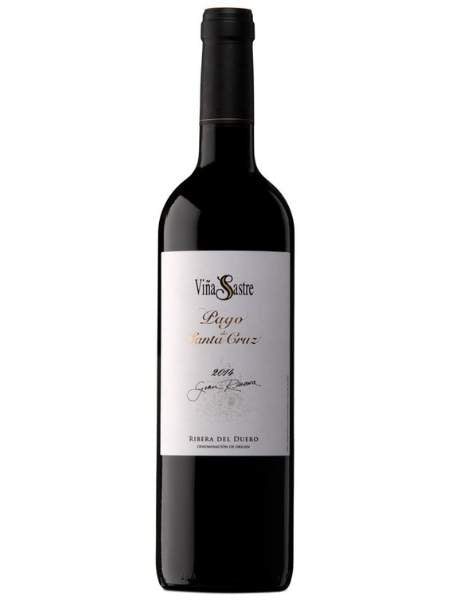
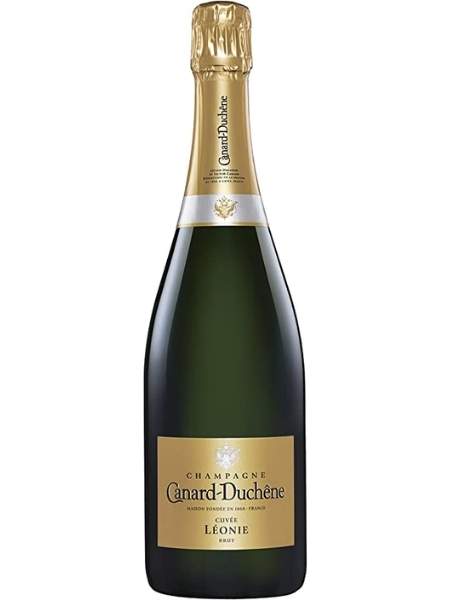
• Non-alcoholic sparkling wine: For celebrations, toasts, and special occasions. Our sparkling selection includes wines made in the Cava and Champagne traditions — proper bubbles with genuine elegance.
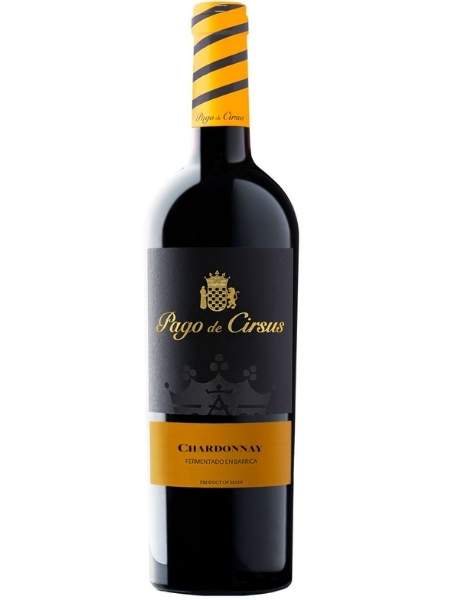
• Non-alcoholic white wine: Crisp, fresh, and food-friendly. Perfect with fish, chicken, salads, and lighter dishes common in Mediterranean cuisine.
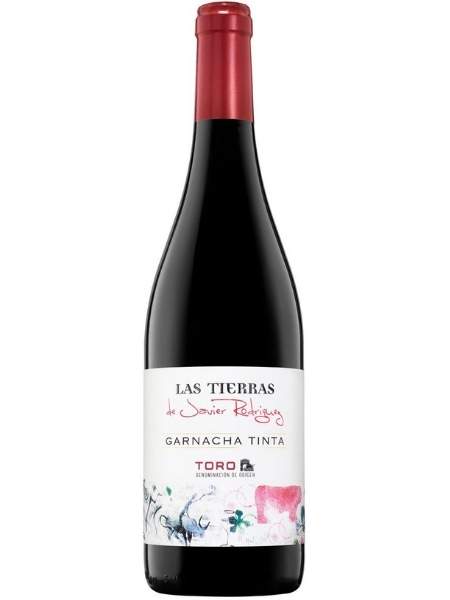
• Non-alcoholic red wine: Structured and satisfying. Our best dealcoholized reds are fruit-forward with genuine body — excellent with grilled meat and hearty dishes.
• Non-alcoholic rosé: Fresh, elegant, versatile. A beautiful choice for shared meals and social occasions.
For consumers specifically seeking halal certification, we recommend contacting us directly at hello@disndis.com with your requirements. Our team can advise on which specific bottles in our current range carry formal halal certification or are produced to the strictest 0.0% ABV standards.
The Growing Halal Beverage Market
The global halal food and beverage market is one of the fastest-growing segments in the food industry. As dealcoholized wine improves in quality and gains broader cultural acceptance, it is becoming an increasingly important category for Muslim consumers, particularly in Europe and the Gulf region.
At Dis&Dis, we ship to a wide range of destinations across Europe, the Middle East, and beyond. We're proud to serve a diverse community of wine enthusiasts, and we're committed to making our collection as inclusive and accessible as possible.
Frequently Asked Questions
Does dealcoholized wine taste like real wine?
Premium dealcoholized wine from established winemakers can come remarkably close. Alcohol does contribute to wine's body and mouthfeel, so there are differences — but the aromas, fruit character, and acidity of a well-made dealcoholized wine are genuine and satisfying.
Is dealcoholized wine available in the Gulf countries?
Yes — dealcoholized wines with 0.0% ABV are available and consumed across the Gulf region. Import regulations vary by country, so we recommend checking local customs requirements before ordering for delivery to Gulf destinations.
How should I store non-alcoholic wine?
Treat it like conventional wine. Store upright or on its side in a cool, dark place. Once opened, keep refrigerated and consume within 2–3 days for white, rosé, and sparkling styles.
Related post
06
Oct
01
Oct