
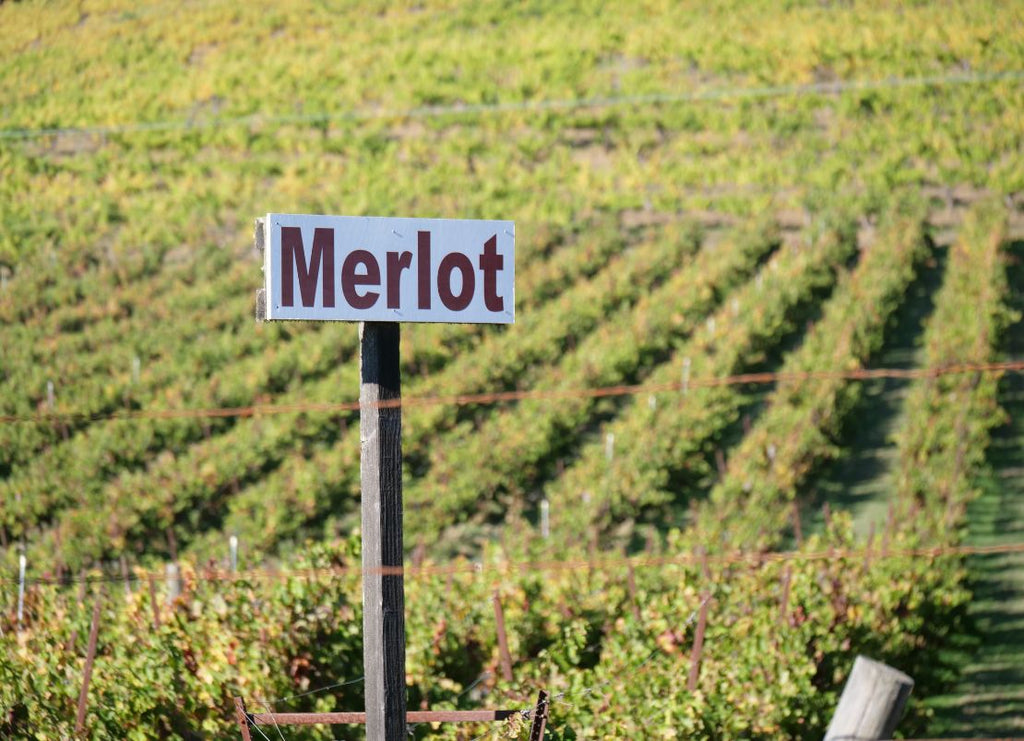
Non-Alcoholic Merlot: What Happens to Merlot When You Take the Alcohol Away?
Merlot has spent centuries building a reputation for generosity. Compared with more firmly structured varieties such as Cabernet Sauvignon, Merlot is often associated with supple tannins, generous fruit and a rounder texture, characteristics that have helped make it one of the most widely recognised red wine grapes in the world. From the great vineyards of Bordeaux to vineyards much further afield, Merlot can appear on its own or as an important part of a blend.
Those qualities make Merlot particularly interesting in alcohol-free winemaking. Removing alcohol from a red wine doesn't simply remove the intoxicating component; it also changes the wine's weight, warmth, texture and the way its flavours are perceived on the palate. A grape such as Merlot, with its naturally approachable fruit profile and relatively supple tannic structure, therefore gives winemakers an interesting starting point when trying to create a convincing red wine without alcohol.
For someone who already enjoys Merlot, this also provides a much better way to explore alcohol-free wine. Instead of asking whether you like “non-alcoholic red wine” as though it were one single style, you can begin with a grape you already understand and see how different producers interpret it. At Dis&Dis, this is how we believe alcohol-free wine becomes genuinely interesting: through grapes, regions, producers and winemaking rather than alcohol content alone.
Merlot's story is inseparable from Bordeaux
Merlot's history is closely connected with Bordeaux, where the variety has been documented for centuries and remains particularly important on the Right Bank. In appellations such as Saint-Émilion and Pomerol, Merlot can form the majority of a blend, while Cabernet Franc and Cabernet Sauvignon frequently play supporting roles. This contrasts with many wines from Bordeaux's Left Bank, where Cabernet Sauvignon is more commonly the dominant variety.
The reason Merlot became so important is partly connected with what it contributes to a wine. Cabernet Sauvignon can bring substantial tannin and structure, while Merlot generally offers a softer texture and generous fruit, allowing the varieties to complement one another when blended. Cabernet Franc can add another layer of aromatic character and structure, giving the winemaker several components with which to construct the finished wine.
Understanding this relationship is particularly useful when exploring non-alcoholic Merlot because Merlot doesn't have only one expression. It can be made as a 100% varietal wine, or it can provide the foundation of a blend in which another grape contributes additional structure, acidity or aromatic complexity. The same principles of blending don't suddenly disappear when the alcohol is removed, which is why comparing a 100% alcohol-free Merlot with a Merlot-led Bordeaux-style blend can tell us considerably more than simply comparing their alcohol percentages.
Why removing alcohol changes a red wine
Alcohol contributes much more to wine than its ABV. It affects body and texture, provides a sensation of warmth, carries aromatic compounds and influences our perception of sweetness, acidity and tannin. When alcohol is removed from a finished wine, all of those elements have to find a new equilibrium.
This is particularly noticeable with red wine because texture forms such an important part of the experience. When you drink a conventional red, fruit, acidity, tannin and alcohol interact to create the structure you perceive on the palate, and removing one component changes how the others are experienced. If the balance isn't handled carefully, an alcohol-free red can feel thinner than expected, or its fruit and sweetness can become more prominent.
Dealcoholization is therefore not simply a question of reaching a particular percentage. The challenge is to preserve enough of the original wine's aromatic and structural character while creating balance after the alcohol has been removed. The quality and character of the wine before dealcoholization consequently matter, as do the techniques used during and after the process.
Why Merlot is an interesting grape for alcohol-free wine
Merlot brings several characteristics that can be useful when alcohol is removed. Its fruit can be expressive, while its tannins are generally less assertive than those of Cabernet Sauvignon, allowing the wine to retain a sense of generosity even when some of the weight associated with alcohol is no longer present. That doesn't guarantee that every non-alcoholic Merlot will be successful, but it helps explain why the grape appears so frequently in alcohol-free red wines.
The grape also gives winemakers considerable flexibility. Merlot can stand alone, allowing the drinker to concentrate on the variety itself, or it can be blended with Cabernet Franc or Cabernet Sauvignon to build a different structure. In our collection, we can see all of these approaches, which makes Merlot a particularly useful grape through which to understand how alcohol-free red wine is developing.
This is where we think the category becomes more interesting for traditional wine drinkers. The conversation can move beyond whether a bottle contains alcohol and towards questions that have always mattered in wine: which grape was used, where was it grown, who made it, how was the wine made, and what does it actually taste like? Those are the questions that allow alcohol-free wine to be considered as wine rather than merely as a substitute.
Starting with 100% Merlot: Claouset Zéro Degré
A useful place to begin is Claouset Zéro Degré, because it removes the question of blending altogether. The wine is made from 100% Merlot from Lugaignac in France by Vignobles Siozard, a family winery with six generations of winemaking history, and it is currently labelled 0% alcohol. This gives someone who already knows Merlot a clear reference point from which to explore the grape in an alcohol-free form.
The way the alcohol is removed is also relevant to the story. Vignobles Siozard uses low-temperature vacuum dealcoholization, a process intended to reduce the temperature required to remove alcohol and thereby help protect the wine's aromatic character. The objective is not simply to create a red drink at 0%, but to retain as much as possible of the wine that existed before the alcohol was removed.
In the glass, Claouset shows fresh red-fruit character with a soft and rounded palate, followed by spice and lightly toasted notes towards the finish. Those characteristics are particularly useful for understanding what Merlot can contribute when alcohol is absent: the wine doesn't have to depend exclusively on weight or warmth to create an impression of completeness. Instead, fruit, texture, acidity and the remaining structure have to work together.
The same grape, interpreted in Germany
Merlot's journey in our alcohol-free collection doesn't stop in France. Merlot Nr. 405 is a German expression made from 100% Merlot and currently labelled 0% alcohol, allowing us to compare the same grape through another producer and another origin. The wine shows a darker-fruit profile, with blackberry particularly prominent in its description.
The producer behind Nr. 405, Weinkönig, also brings an interesting historical perspective to alcohol-free wine. The company was founded in Koblenz in 1978 and has been working with alcohol-free wine since 1986, long before the current growth of the no- and low-alcohol category. That experience matters because producing alcohol-free wine is not simply conventional winemaking with one final ingredient removed; it requires an understanding of how the wine changes during dealcoholization and how to retain a satisfying sensory balance afterwards.
Comparing Claouset with Merlot Nr. 405 therefore becomes much more interesting than asking which bottle has the better score. Both are 100% Merlot and both are labelled 0%, yet they come from different places and producers with different histories and approaches. Once we begin making comparisons like these, alcohol-free wine starts to offer the same kind of exploration that makes conventional wine so rewarding.
Merlot on its own is only half of the story
Merlot is equally important as a blending grape, and this is where its relationship with Cabernet Franc becomes especially interesting. BERTIC0%T No Alcohol Red Wine is made from 96% Merlot and 4% Cabernet Franc, and the wine is currently labelled 0% alcohol. It comes from Southwest France, where Merlot and Cabernet varieties have a long history of being used together.
A four-percent contribution may look insignificant when written on a page, but blending isn't simply a mathematical exercise. A small proportion of another grape can influence aroma and structure without changing which variety remains the central character of the wine. In BERTIC0%T, Merlot remains overwhelmingly dominant, while Cabernet Franc provides another component with which the wine's overall balance can be constructed.
This is useful for someone learning about alcohol-free Merlot because it provides a natural progression from a varietal wine. Tasting a 100% Merlot and then a wine containing 96% Merlot and 4% Cabernet Franc allows you to consider what changes when another variety enters the blend. It turns the experience into an exploration of winemaking rather than simply a search for something without alcohol.
No Limit uses the same classic partnership
No Limit Alcohol Free Red Wine provides another interpretation of the same relationship, using 96% Merlot and 4% Cabernet Franc from France and carrying a 0% alcohol declaration. The wine is described as dry, with a fruit-forward aromatic profile, and its recommended serving temperature is 15°C.
The winemaking information also explains that the wine is vinified before its sweetness and aromas are rebalanced following dealcoholization. This is an important detail because it demonstrates why producing an alcohol-free wine doesn't necessarily end when the alcohol has been removed. Once dealcoholization changes the original balance, the producer has to consider how the remaining components work together in the finished wine.
For the drinker, the difference between No Limit, BERTIC0%T and a 100% Merlot may appear subtle on paper, but that is precisely why these wines are worth comparing. Wine has always been about small differences in grapes, proportions, origin and winemaking creating different experiences in the glass. Alcohol-free wine becomes more credible when we allow it the same complexity rather than expecting every bottle to fit into one generic flavour profile.
In Saint-Émilion, Merlot becomes part of a larger story
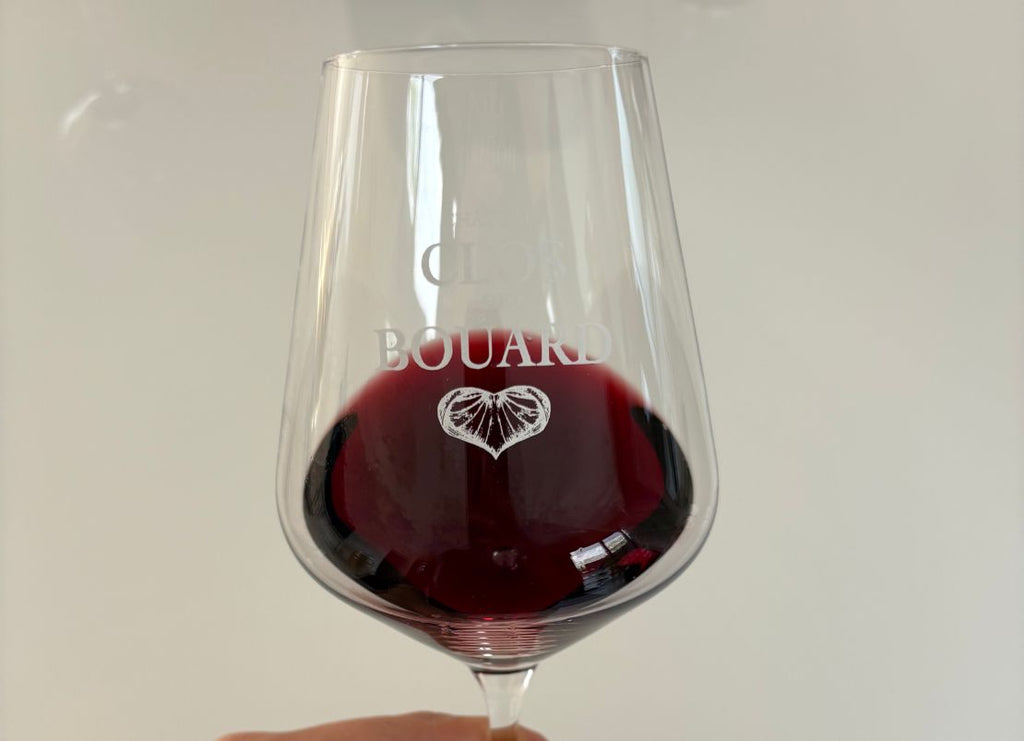
Merlot's importance becomes even clearer when we return to Bordeaux's Right Bank. Prince Oscar, produced by Château Clos de Boüard, is made from 80% Merlot, 15% Cabernet Franc and 5% Cabernet Sauvignon, making Merlot the foundation of the blend rather than the only grape. The current Dis&Dis collection lists the wine at 0%, and its composition reflects the familiar relationship between the principal red varieties of Bordeaux.
For someone who normally drinks Saint-Émilion or other Merlot-led Bordeaux wines, this may be a more familiar way into alcohol-free wine than a varietal bottle. The point isn't that one approach is superior to the other, but that different drinkers have different reference points; someone accustomed to varietal Merlot may naturally begin with Claouset, while a Bordeaux drinker may be more interested in the way Merlot interacts with Cabernet Franc and Cabernet Sauvignon. This is why knowing the blend is more useful than simply knowing that the wine is red and alcohol-free.
Prince Oscar also demonstrates something important about how we would like people to think about this category. Alcohol content is obviously relevant, but it shouldn't erase provenance, grape composition or the decisions made by the producer. When those elements remain part of the conversation, alcohol-free wine has much more to say.
Merlot also takes us beyond France
Although Bordeaux is fundamental to Merlot's history, the grape is now international. Our collection includes Merlot Nr. 405 from Germany and Elivo Adegga Baezza Premium Alcohol Free Red Wine from Spain, alongside the French examples, showing how widely the variety has travelled. The current Dis&Dis Merlot collection lists the Elivo wine as Merlot and 0% alcohol.
This international spread matters because grape variety is only one part of a wine's identity. Climate, vineyard conditions, producer decisions and winemaking can all influence the final expression, which is why two wines made from Merlot don't necessarily taste the same. The absence of alcohol doesn't remove those variables; if anything, it makes understanding them more useful when deciding which bottle might suit your preferences.
For someone discovering alcohol-free wine, comparing Merlot from France, Germany and Spain can therefore be a more rewarding exercise than working through an arbitrary ranking of “best” bottles. It encourages you to develop preferences, recognise differences and understand what you actually enjoy. That is ultimately how most of us learn about wine in the first place.
Plaisir d’Anaïs brings us back to Bordeaux and 100% Merlot
There is another 100% Merlot in our collection that is worth mentioning because it brings the story back to the grape's historic home. Plaisir d’Anaïs Alcohol Free Red Wine is made from 100% Merlot from Bordeaux and is currently listed at 0% alcohol. The wine is vacuum distilled, providing another example of a producer using reduced-pressure technology in the process of removing alcohol.
Its presence gives Merlot drinkers another useful comparison. Rather than having a single “alcohol-free Merlot” against which the entire category is judged, we can compare different 100% Merlot wines alongside Merlot-led blends. That diversity is important because no single bottle can tell us everything about what Merlot is capable of without alcohol.
It is also commercially important in a way that doesn't require aggressive selling. A customer who understands why these wines differ is better equipped to choose the bottle that matches their preferences, rather than simply buying whichever alcohol-free red appears first. Good information should make buying wine easier, and that is exactly what we want our collection and our articles to achieve.
Is non-alcoholic Merlot simply grape juice?
One of the most persistent misunderstandings about alcohol-free wine is that it is essentially expensive grape juice. The distinction is fermentation: grape juice has not been fermented into wine, whereas dealcoholized wine begins with wine that has undergone alcoholic fermentation before its alcohol is subsequently removed or reduced. During fermentation, yeast converts sugars into alcohol while a much broader transformation of aroma and flavour takes place.
That fermentation step is fundamental to the character of wine. Dealcoholization inevitably changes the resulting wine, but it doesn't reverse fermentation and turn the liquid back into grape juice. A well-made alcohol-free Merlot therefore starts from a completely different place from a bottle of unfermented Merlot grape juice.
This doesn't mean every alcohol-free Merlot will automatically taste convincing. Quality still depends on the grapes, the original wine, the dealcoholization process and how the final balance is handled. Just as there are ordinary and exceptional conventional wines, alcohol-free wine also has differences in quality and style.
Does non-alcoholic Merlot taste exactly like conventional Merlot?
We don't think it helps the customer to pretend that removing alcohol leaves a wine unchanged. A conventional Merlot at 13% or 14% contains a significant amount of alcohol, and that alcohol contributes body, warmth and texture while also affecting how aromas and flavours are perceived. Remove it, and the sensory experience inevitably changes.
The objective should therefore not be perfect imitation. A successful alcohol-free Merlot should instead preserve enough of the grape's identity and wine character to remain satisfying in its own right, with fruit, acidity, texture and tannin working together in a balanced way. Some drinkers may particularly notice the lighter body, while others may focus more on the fruit or freshness.
Expectations make a considerable difference to the experience. If you open a 0% Merlot expecting it to reproduce every sensation of a powerful 14.5% red, the missing alcohol will probably dominate your impression. If you approach it as another interpretation of Merlot and pay attention to the grape, structure, aroma and balance, there is much more to discover.
Is alcohol-free Merlot sweet?
Not necessarily, and this is an area where terminology can easily cause confusion. Merlot is naturally capable of showing generous fruit characteristics, including red berries, plum, blackberry and other dark-fruit notes depending on the wine, but fruitiness and sweetness are not the same thing. A wine can smell intensely fruity while still tasting dry.
Alcohol removal can nevertheless change the perception of sweetness. Because alcohol contributes weight and influences the balance between fruit, acidity and tannin, its removal can make other components more prominent. Producers therefore need to pay close attention to balance, and consumers who prefer dry wine should look at the individual wine's technical information rather than assuming every alcohol-free Merlot has the same style.
For example, No Limit is currently classified as dry in its product specifications. This is exactly the kind of information we think matters when choosing alcohol-free wine, because “Merlot” tells you the grape and “0%” tells you the alcohol declaration, but neither piece of information alone tells you everything about how the wine will taste.
0%, 0.0% and <0.5% should not be treated as the same declaration
This distinction is particularly important as the alcohol-free wine category expands. Our collection contains wines labelled 0%, wines labelled 0.0%, and wines labelled <0.5%, and we do not think those figures should simply be substituted for one another. If a product is specified as 0%, we describe it as 0%; if it is specified as 0.0%, we use 0.0%; and if it is specified as <0.5%, that is the figure we use.
The Merlot category provides a good example. Claouset Zéro Degré, Merlot Nr. 405, Plaisir d’Anaïs, BERTIC0%T and No Limit are currently listed at 0%, whereas Tip Top Alcohol Free Red Wine, a French blend of Merlot and Cabernet Sauvignon from Blaye-Côtes de Bordeaux, is listed at <0.5%.
For some customers, that distinction is simply additional technical information, while for others it may determine whether a wine is suitable for their personal requirements. The safest approach is therefore always to check the stated ABV of the individual bottle rather than assuming that every wine within the broad alcohol-free category contains precisely the same amount of residual alcohol. Clear information allows each customer to make that decision for themselves.
Serving temperature matters more than many people realise
Red wine is often said to be best served at room temperature, but that advice is easily misunderstood. The historical idea of room temperature referred to considerably cooler rooms than many centrally heated modern homes, and serving an alcohol-free red too warm can make its fruit seem broader and any sweetness more noticeable. A slightly cooler serving temperature can help preserve freshness and definition.
The producer information for No Limit recommends serving the wine at 15°C, while Claouset is another wine that benefits from being served cool rather than warm. If a bottle has been sitting in a room at 22°C or 23°C, a short period in the refrigerator before serving can therefore make a meaningful difference.
Glassware matters as well, although there is no need to make the ritual complicated. Use a proper wine glass with enough room to swirl the wine, pour a moderate amount and give the aromas time to develop before deciding what you think. Alcohol-free wine should be given the same attention we would give any bottle we are genuinely interested in understanding.
What food works with alcohol-free Merlot?
Merlot's relatively supple structure makes it one of the more versatile red varieties at the table. With alcohol-free Merlot, however, it is useful to remember that the body can be lighter than that of a conventional version, so the most powerful food isn't automatically the most successful match. Pairing is about balancing the intensity, texture and flavours of the dish with those of the wine.
Mushrooms, lentils, roasted vegetables, tomato-based pasta, cheeses and other savoury dishes can all provide useful starting points. Merlot-led blends containing Cabernet Franc or Cabernet Sauvignon may offer a little more structural interest alongside richer dishes, while softer varietal Merlots can work well with food that doesn't overwhelm the wine. The objective is not to invent an entirely separate set of rules for alcohol-free wine but to apply familiar principles with an awareness of the wine's lighter body.
This is another reason we prefer talking about the individual wine rather than giving one universal pairing for “non-alcoholic red”. A 100% Merlot from France and a Merlot-Cabernet blend from Bordeaux aren't necessarily going to behave identically at the table. Understanding what is actually in the bottle gives you a much better chance of creating a pairing that works.
Where should a Merlot drinker begin?
For someone who already loves Merlot, we would begin with a 100% Merlot because it provides the clearest introduction to the variety without another grape influencing the blend. Claouset Zéro Degré or Plaisir d’Anaïs can provide a French starting point, while Merlot Nr. 405 offers the opportunity to see the grape interpreted in Germany. From there, it becomes interesting to move into Merlot-led blends and observe how the wine changes.
BERTIC0%T and No Limit both introduce a small proportion of Cabernet Franc to a predominantly Merlot base, while Prince Oscar takes the idea further by combining Merlot with both Cabernet Franc and Cabernet Sauvignon in a Saint-Émilion context. Tip Top provides another Bordeaux interpretation, but with a <0.5% declaration rather than 0%, which is an important distinction for anyone specifically looking for a zero-alcohol product.
There is no need to decide in advance which of these is objectively the “best”. The more interesting approach is to identify which expression of Merlot best matches the wines you already enjoy and then explore from there. Wine becomes personal through comparison, and alcohol-free wine should be allowed to develop in exactly the same way.
Frequently asked questions about non-alcoholic Merlot
Can you get Merlot without alcohol?
Yes, and Merlot is available in alcohol-free form both as a 100% varietal wine and as the principal grape in blends. Our current collection includes 100% Merlot examples from France and Germany as well as Merlot-led wines blended with Cabernet Franc and Cabernet Sauvignon. The precise alcohol declaration differs between products, so the ABV should always be checked on the individual bottle.
Is alcohol-free Merlot the same as Merlot grape juice?
No, because the production processes are fundamentally different. Grape juice hasn't undergone alcoholic fermentation, whereas dealcoholized Merlot begins as wine that has been fermented before the alcohol is removed or reduced. Fermentation creates many of the aromas and flavours associated with wine, which is why a properly made alcohol-free Merlot should not simply be understood as grape juice.
Does non-alcoholic Merlot taste like regular Merlot?
It can retain recognisable Merlot characteristics, but it won't taste identical to a conventional Merlot because alcohol contributes significantly to body, warmth, texture and flavour perception. A good alcohol-free version should instead be judged by how successfully it preserves the grape's fruit, acidity, tannin and overall balance. Approaching it as another expression of Merlot rather than an exact replica provides a much more useful way of evaluating the wine.
Is non-alcoholic Merlot always sweet?
No, and fruity aromas should not automatically be confused with sweetness. The perception of sweetness depends on residual sugar as well as acidity, tannin and the overall balance of the wine, and styles can differ substantially between producers. If you prefer dry wine, check the technical information for the individual bottle rather than assuming all alcohol-free Merlot has the same flavour profile.
Is every alcohol-free Merlot 0.0%?
No, which is why we are careful with the terminology. Some wines in our collection are specified as 0%, while other alcohol-free wines can be 0.0% or <0.5%, and those figures shouldn't be used interchangeably. If the exact alcohol content matters to you, always consult the stated ABV for the individual wine.
Should non-alcoholic Merlot be chilled?
Alcohol-free Merlot generally benefits from being served slightly cool rather than at the temperature of a warm room. Around 15–16°C can be a useful starting point for many examples, although the individual producer's recommendation should take priority when available. Serving the wine too warm can make fruit and sweetness seem more prominent, while a cooler temperature can help maintain freshness and definition.
Merlot without alcohol is becoming a story about wine rather than absence
Perhaps the most interesting thing about non-alcoholic Merlot is no longer the fact that the alcohol has been removed. We can now compare 100% Merlot from France with 100% Merlot from Germany, examine the role of Cabernet Franc in a predominantly Merlot blend, and return to Bordeaux to see Merlot working alongside both Cabernet Franc and Cabernet Sauvignon. Those are conversations about wine, not simply conversations about what is missing from it.
That development matters because wine has always been about differences. We learn by comparing grapes, regions, producers, vintages and winemaking decisions, gradually discovering which combinations suit our own tastes. There is no reason why choosing not to drink alcohol should remove that possibility of discovery.
At Dis&Dis, this is the direction in which we want to take our alcohol-free collection. We want to give you enough information to choose a bottle because you understand the grape, origin, producer and style, not merely because the label tells you there is little or no alcohol inside. When that happens, Merlot without alcohol stops being a substitute for the “real thing” and becomes another expression of a grape that has been telling its story for centuries.
Explore our collection of alcohol-free red wines and discover which expression of Merlot belongs at your table.
Related post
16
Sep