
What Are Old Vine Wines — And Why Do Ancient Vines Produce Better Wine?
There is a vineyard in Navarra, Spain, where the vines have been cultivated since the 14th century. Another in Toro where a mule still turns the soil, just as it did when the vineyard was planted in 1935. These are not curiosities. They are among the most compelling arguments in wine.
The Simple Answer
Old vines produce less wine. That is the beginning and end of the commercial logic for why most winemakers grub them up.
A young vine planted today will begin producing a generous crop within three or four years. An old vine — one that has been in the ground for fifty, eighty, a hundred years or more — produces far fewer bunches. The yields are low. The economics, on paper, are punishing.
But what those old vines produce is different in a way that is genuinely difficult to replicate by any other means.
What Happens Underground
The real story of an old vine is not above the soil. It is beneath it.
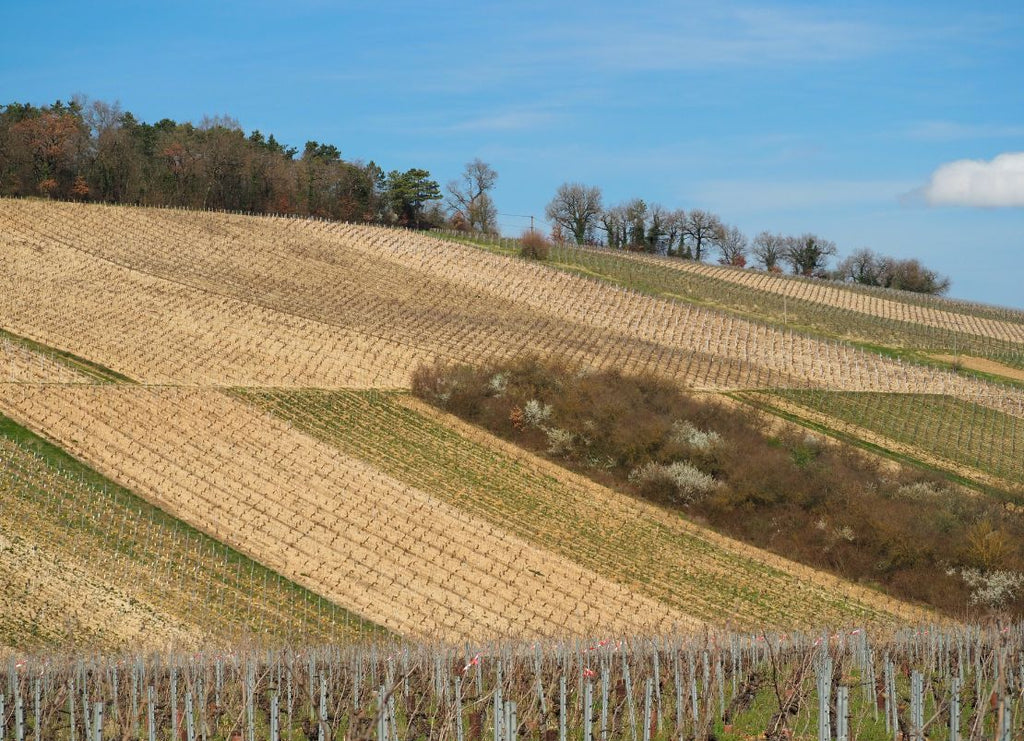
A young vine's root system is shallow, dependent on surface irrigation and seasonal rainfall. Over decades, old vines sink their roots deeper and deeper into bedrock — reaching layers of mineral complexity, water reserves and geological character that younger vines never access. In some of Spain's oldest vineyards, root systems extend several metres into the earth.
The result is a vine that is no longer fighting for survival. It has found everything it needs, deep below the surface. It stops competing and starts expressing — giving everything it has into fewer, smaller, more concentrated grapes.
This is why old vine wines taste different. The density is greater. The flavours are more layered. There is a sense of somewhere specific in the glass — a mineral signature, a depth of character — that only comes from decades of roots going deeper.
What "Old Vine" Actually Means
There is no legally defined minimum age for a wine to carry the term "old vine" on its label. In Spain you will see Cepas Viejas or Viñas Viejas — old vines. In France, Vieilles Vignes. In the US, simply "Old Vine." None of these terms are regulated.
In practice, the wine world broadly considers vines over 25 years old to be entering old vine territory, with 50 years representing genuine age and anything over 80 considered truly ancient. Pre-phylloxera vines — those that survived the 19th-century louse epidemic that destroyed most of Europe's vineyards — are extraordinarily rare and represent viticultural history in every bottle.
The story of phylloxera matters here. In the late 1800s, a microscopic louse arrived in Europe from North America and systematically destroyed the root systems of almost every vine on the continent. The devastation was near-total. Entire appellations were wiped out. The solution — grafting European vines onto phylloxera-resistant American rootstock — saved the wine industry but fundamentally changed it.
The vines that survived ungrafted, or that were planted after the epidemic in isolated plots where phylloxera never reached, are among the most historically significant in wine. When you drink from a vine cultivated since the 14th century, you are drinking something that has no grafted ancestor. It is the vine in its original form.
Seven Ancient Vine Wines Worth Knowing
At Dis&Dis, we have assembled what we believe is one of the most significant concentrations of old vine Spanish wine available from any European online retailer. These are not marketing labels. These are the facts of the soil.
Emilio Valerio Leorin Organic 2013 — Dicastillo, Navarra
The vines that produced this wine were first cultivated in Dicastillo in the 14th century. Organic farming. One of the most historically significant vineyards in our entire collection. This is a wine that carries centuries of a single place.
Barranco del San Ginés 2015 — Spain
Planted in 1935. Worked entirely by hand and mule. No machinery has ever touched this vineyard's soil. The wine is the direct expression of a way of farming that has almost entirely disappeared.
Taron Cepas Centenarias 2015 — Rioja Alta
Century-old Tempranillo vines in Rioja Alta — the heartland of Spanish red wine. Cepas Centenarias means exactly what it says: hundred-year-old vines. The concentration and complexity here is the argument for old vine viticulture made in a single glass.
Lagarona Cepas Viejas 2016 — Toro
The largest old vine plot in Toro, one of Spain's most ancient and powerful wine regions. Founded in 1968, these vines have spent more than fifty years building root depth and character. Toro's extreme continental climate — baking summers, brutal winters — only intensifies what old vines deliver.
La Pilosa Organic 2017 — Terra Alta
93 points from James Suckling. Old vine Garnacha Peluda — a near-extinct sub-variety of Grenache found only in Catalonia's Terra Alta. Just 6,000 bottles produced. Garnacha Peluda (literally "hairy Grenache," named for the fine hairs on the underside of its leaves) was almost lost entirely. That it survives, in organic old vine form, is a small miracle worth drinking.
Fábregas Moristel 2019 — Somontano, Aragón
50+ year old single vineyard Viñas Viejas. Moristel is one of Aragón's most ancient native varieties — rarely found outside Somontano and almost never bottled as a single variety expression. This is a wine that exists because one producer decided a nearly forgotten grape was worth preserving.
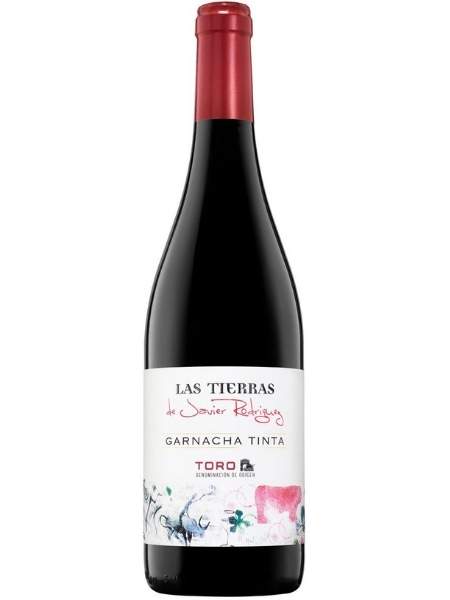
Las Tierras Garnacha Barrica 2020 — Toro
The only 100% Garnacha de Toro in existence. Garnacha is not traditionally associated with Toro — Tinta de Toro (a local clone of Tempranillo) dominates the appellation. That a producer has cultivated, preserved and bottled a pure Garnacha from these soils makes this genuinely singular. There is no other wine like it.
Why This Matters Now
Interest in old vine wine is growing globally. Search data confirms it as one of the fastest-rising categories in wine — driven by buyers who want provenance, story and genuine differentiation from the shelf. The vocabulary is entering the mainstream: cepas viejas, vieilles vignes, old vine, ancient vine are increasingly how wine-curious buyers search online.
The irony is that the wines themselves are becoming rarer, not more common. Every year, low-yield economics pressure producers to replant. Every decade, the pool of genuinely ancient vineyards shrinks. The bottles that carry these stories are, in the truest sense, finite.
A Note on How We Select
Every wine in the Dis&Dis collection is personally tried and tested before it reaches our shelves. The Ancient Vines collection exists because, working through hundreds of Spanish producers, the stories of these vineyards kept stopping us. A 14th-century cultivation date. A mule still turning the soil. The only bottle of its kind in existence.
These are not marketing claims. They are the reasons we chose these wines above the thousands we did not.
[Explore the Ancient Vines Collection →]
At Dis&Dis, we curate exceptional wines and deliver them anywhere in the world. Free shipping on qualifying orders.
Related post

20
Oct
13
Oct