
Sauternes and the Art of Sweet Wine: A Buyer's Guide
Sweet wine has an image problem it doesn't deserve. Ask most people what comes to mind and you'll get supermarket dessert wine, cloying and one-note, the bottle nobody finishes. The reality, at the top end, is closer to the opposite: some of the most labor-intensive, technically demanding wines in the world, made by growers who deliberately let a fungus attack their grapes, or wait for a frost that might never come, because the alternative — picking on a normal schedule, like everyone else — would mean making something much less interesting.
Here's what's actually happening in the glass, and where to start.
Noble Rot: The Fungus That Makes the World's Greatest Sweet Wines
The grandest sweet wines on earth, Sauternes among them, depend on a fungus called Botrytis cinerea. Under the wrong conditions, it's just rot — the thing that ruins a vineyard. Under the right ones, humid mornings followed by dry, sunny afternoons, it becomes "noble rot," which perforates the grape skin and slowly dehydrates the fruit on the vine, concentrating its sugar, acid, and flavor into something far more intense than a normal ripe grape could ever produce.
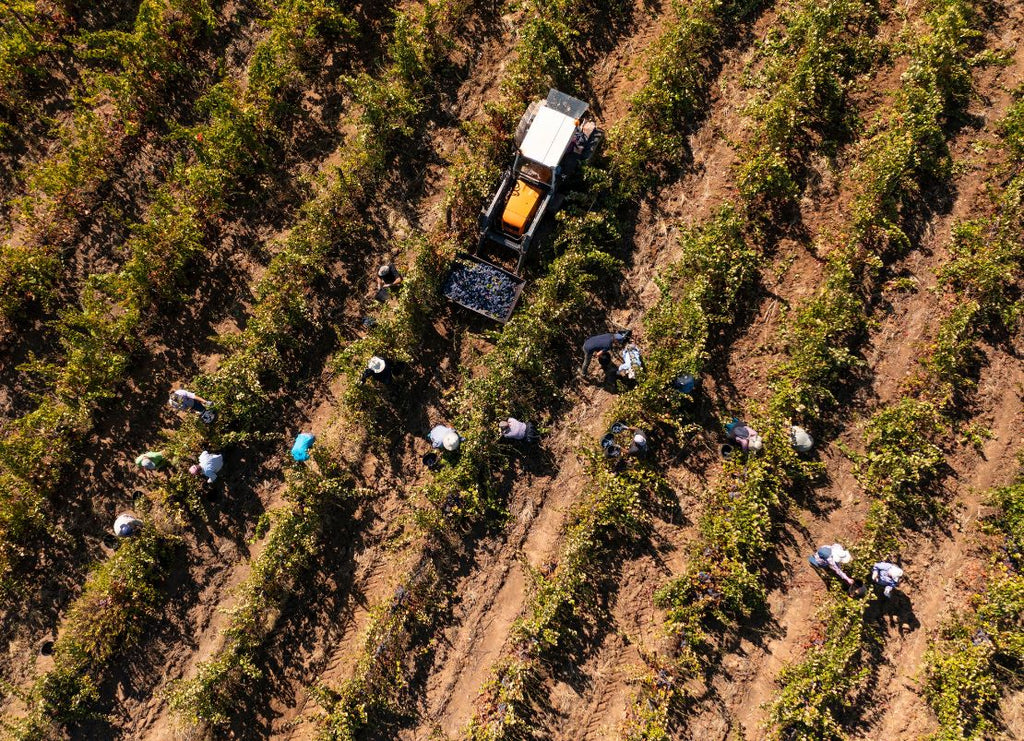
The catch is that botrytis doesn't spread evenly. Pickers have to walk the same rows of vines repeatedly over weeks, sometimes months, harvesting only the individual berries that have reached the right stage of rot that day. In a great Sauternes vintage, a single vine might yield only a glass's worth of wine for the entire season. That's the real reason these wines cost what they do: not branding, but the sheer, repeated, manual labor of picking grape by grape rather than vine by vine.
Sauternes: The Standard the Rest of the World Measures Itself Against
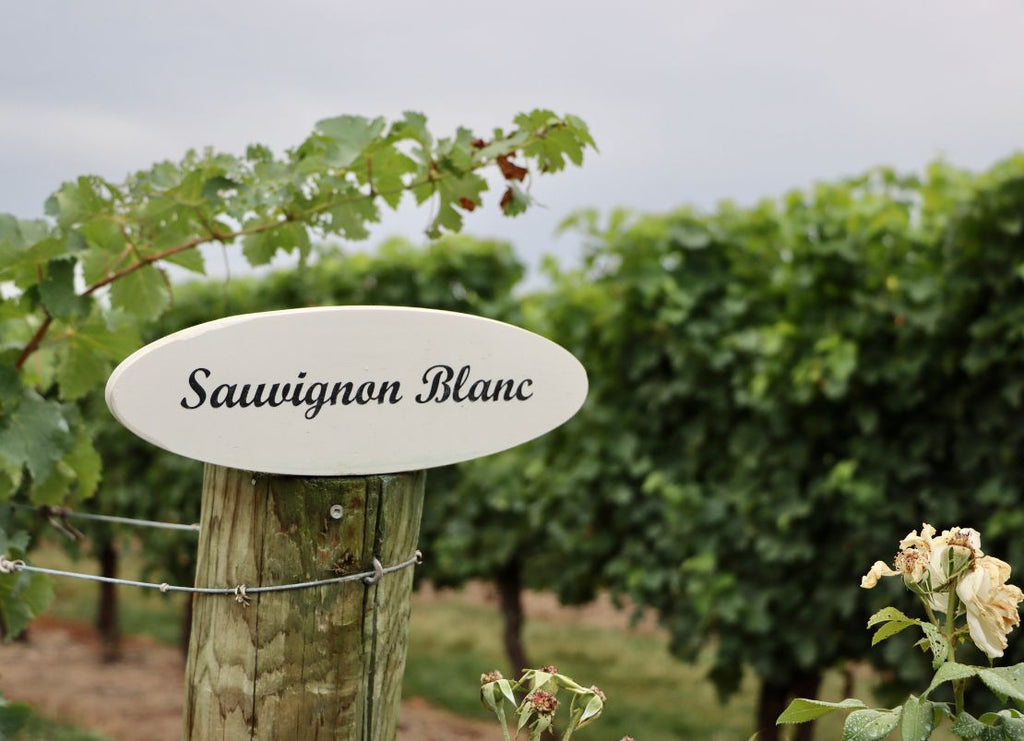
Sauternes, in Bordeaux, is where noble rot found its most famous expression. The appellation sits at the confluence of two rivers, the warm Garonne and the cold Ciron, and the temperature difference between them creates exactly the morning mist and afternoon sun that botrytis needs. Made primarily from Sémillon, often with a portion of Sauvignon Blanc, great Sauternes pours deep gold and carries the appellation's signature notes of honey, apricot, and saffron, balanced by an acidity sharp enough to keep all that richness from ever feeling heavy.
We carry both ends of the Sauternes spectrum: a Premier Grand Cru Classé from the 1855 classification, made at the smallest first-growth estate in the appellation, and an organic Sauternes from the Thienpont family, the same family behind Le Pin and Vieux Château Certan in Pomerol, applying their Right Bank precision to a sweet wine made just down the road.
Spain's Quieter Answer to the Same Idea
Spain doesn't have a noble-rot tradition to rival Sauternes, but it has developed its own methods for achieving something similar, and three of our bottles show three different routes to the same destination.
Chivite Colección 125 Vendimia Tardía comes from Navarra, where Muscat grapes are picked one bunch at a time, over a staggered harvest, choosing only the fruit that has reached peak sugar concentration in the area's dry, well-drained soils. It pours pale gold with a complex, ripe-fruit nose and a palate the estate describes as unctuous and silky, balanced by real freshness rather than simple sweetness — a wine built to evolve in the bottle for years.
Arima Vendimia Tardía takes a more unusual path entirely: it's made from Hondarrabi Zerratia, the rare Basque grape more commonly seen in dry Txakoli, fermented in new French oak for six months and rested a further six in bottle. Named Spain's Best Sweet Wine in 2014, it pours bright gold with aromas of ripe fruit, caramel, and honey, and a silky, spectacular acidity that keeps it food-friendly rather than dessert-only.
Dulce de Invierno, from Javier Sanz in Rueda, skips noble rot altogether and instead combines three separate dehydration techniques in a single wine: freezing the grapes, drying them naturally in a shaded loft, and a genuinely late harvest, before eight months in French oak. The result is a wine with deep amber color and aromas of dried apricot, fig, and orange peel — proof that there's more than one technically rigorous way to arrive at concentration and complexity.
How to Actually Drink These Wines
The old rule that sweet wine belongs only at the end of the meal undersells what these bottles can do. Sauternes and foie gras is the classic pairing for good reason — fat and sweetness balance each other rather than competing — but the same logic extends to blue cheese, where the wine's acidity cuts through the cheese's richness. These wines also work well poured alongside, rather than after, a meal with Asian or spiced food, where their sweetness tempers heat in a way a dry white can't.
Served too cold, sweet wine loses its aromatics; served too warm, it can feel cloying. Somewhere around 8-10°C, slightly warmer than a crisp dry white, tends to let these wines show what they're actually capable of.
Frequently Asked Questions
What is noble rot? A beneficial form of the fungus Botrytis cinerea that dehydrates grapes on the vine under specific humid-then-dry conditions, concentrating sugar and flavor and enabling the world's great sweet wines.
Is Sauternes always expensive? Quality and price vary significantly by château and vintage; entry points exist alongside the famous first-growth estates.
What food pairs best with sweet wine? Foie gras and blue cheese are classic pairings; sweet wines also complement spiced or Asian cuisine and many fruit-based desserts.
Related post
06
Oct
01
Oct