
A wine for every World Cup nation — your 2026 guide to the wines of the tournament
The 2026 FIFA World Cup runs June 11 to July 19 across the United States, Canada, and Mexico — 48 nations, 104 matches, and a world of wine to explore alongside every game. This is your country-by-country guide to the wines of the tournament, with bottles available now at Dis&Dis and delivered anywhere in the world.
Some of the greatest wine countries in the world have qualified for the 2026 World Cup. Spain, France, Argentina, Italy, Portugal, Chile, South Africa, and the USA — between them, they account for the majority of the world's finest wine regions. Consider this your excuse to drink your way through the group stage and beyond.
For each nation we stock, we have linked directly to the relevant collection at Dis&Dis. Every bottle ships worldwide with free delivery on orders over €150.
The wines of the World Cup 2026 nations
🇪🇸
Shop Spanish wines ↗
Spain
Rioja · Ribera del Duero · Rías Baixas · Navarra
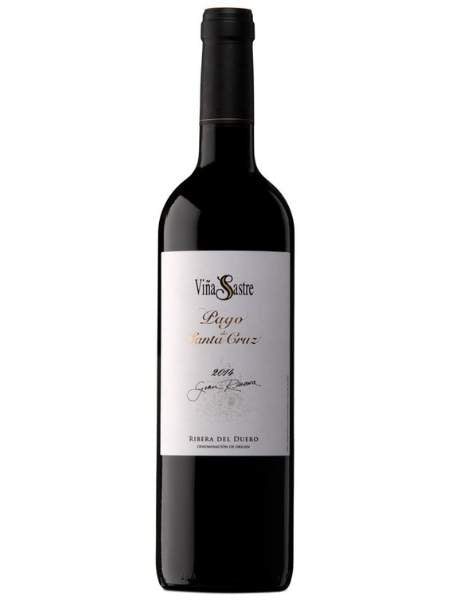
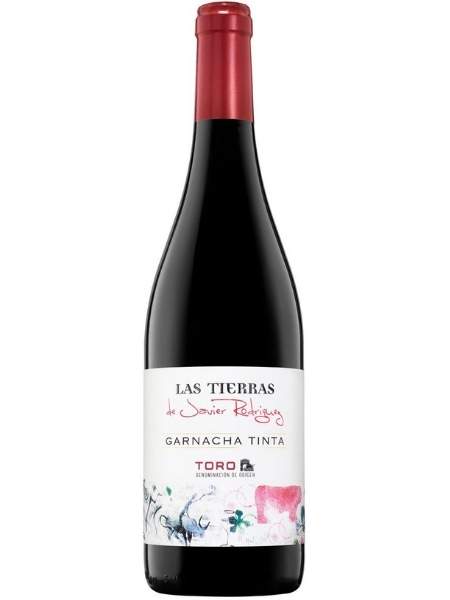
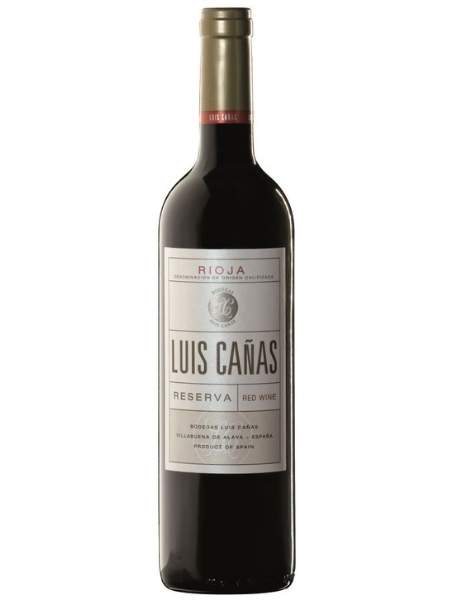
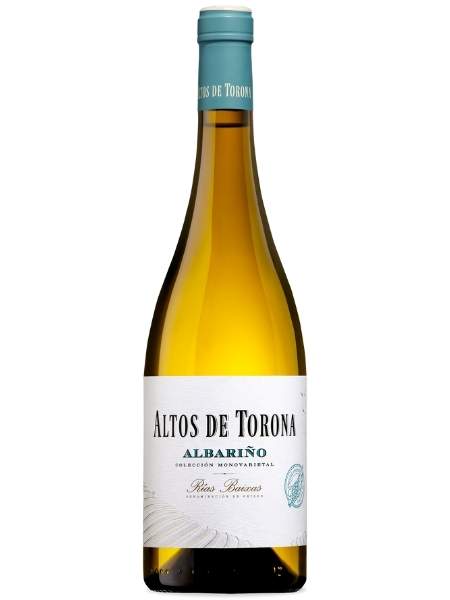
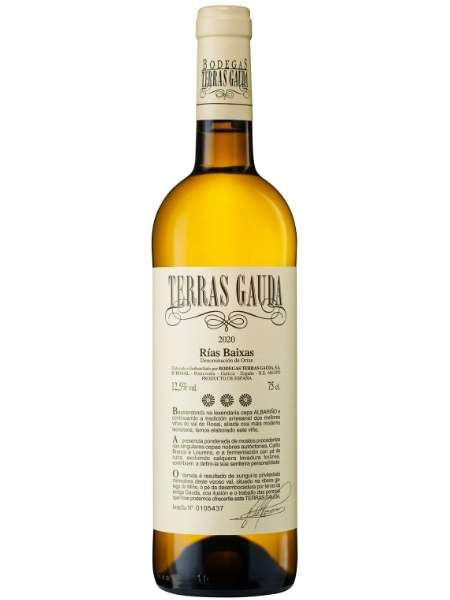
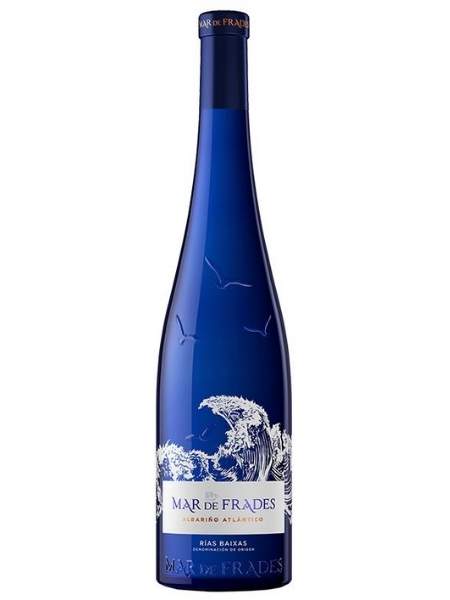
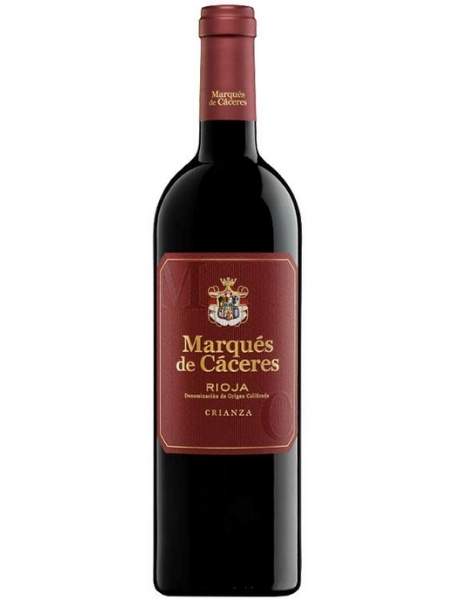
Spain is arguably the most exciting wine country in the world right now — and the most undervalued. The same nation that gave us Rioja Tempranillo and Ribera del Duero Tinto Fino also produces the electric Albariño whites of Galicia, the Garnacha-driven reds of Navarra, and the rare indigenous varieties of Bierzo and Priorat. Spanish wine rewards curiosity more than almost any other country. If you are watching La Roja this summer and want a bottle in hand, you could drink a different Spanish wine every match day and barely scratch the surface of what the country produces.
Rioja is the most recognised name internationally — and for good reason. Gran Reserva Rioja from top producers remains one of the world's great value propositions in fine wine. But the real story in Spanish wine right now is the regions that are still being discovered: Bierzo with its ancient Mencía vines, Rías Baixas with its oceanic Albariño, Navarra with its blend of tradition and experimentation.
World Cup note: South Africa open the tournament against Spain's group rivals on June 11 — the same day our World Cup guide goes live. Open a Rioja.
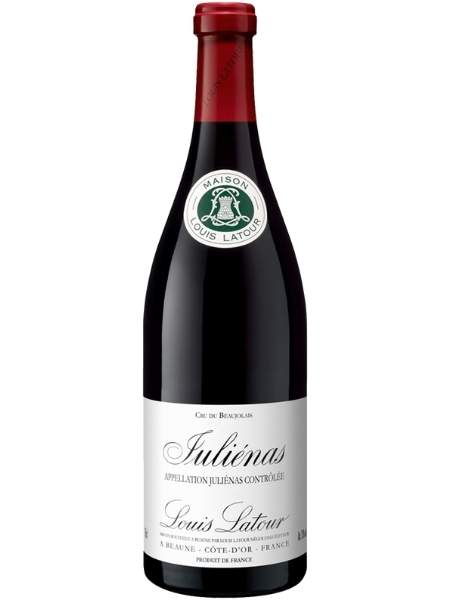
France is the benchmark against which every other wine country measures itself. Bordeaux set the standard for age-worthy red wine. Burgundy defined what Pinot Noir and Chardonnay can be. The Rhône Valley gave us Syrah and Grenache blends of extraordinary depth. Provence invented the modern rosé category. The Loire Valley produces the world's most compelling Sauvignon Blancs and Chenin Blancs. No other country spans such breadth of style, terroir, and grape variety at the top level of quality.
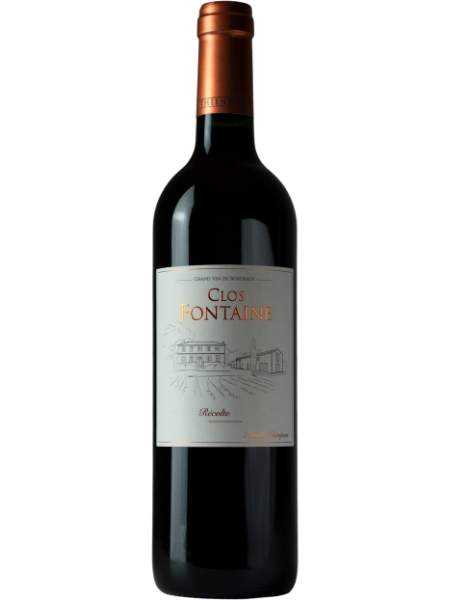
At Dis&Dis, French wine is the deepest part of our catalogue — with particular strength in Bordeaux, where we stock wines from across the Left Bank appellations (Pauillac, Saint-Julien, Saint-Émilion) through to the accessible Bordeaux Supérieur tier. France also provides the spiritual home of the DIVIN Vigneron non-alcoholic collection — made from Loire Valley grapes using the same winemaking seriousness as the traditional wines they sit beside.
Explore by region
World Cup note: France are among the favourites to win the tournament. Their wine, as always, needs no tournament to justify its status.
Argentina is Malbec's second home — and by many measures its finest one. The grape that originated in Cahors, France, found its true expression at altitude in Mendoza, where the Andes provide a combination of intense sunlight, cold nights, and low humidity that produces Malbec of extraordinary concentration, depth, and colour. At its best — from old vines in Luján de Cuyo or the Uco Valley — Argentine Malbec rivals the world's great red wines at a fraction of the price.
The defending World Cup champions bring the same intensity to their football as their winemakers bring to Malbec. Argentina's wine story is also one of the most compelling in the New World: a country that took a forgotten French grape, planted it at 900 metres above sea level, and turned it into one of the most recognisable wine varieties on the planet.
World Cup note: Argentina are defending champions. Whether they go all the way again, their Malbec absolutely should be in your glass.
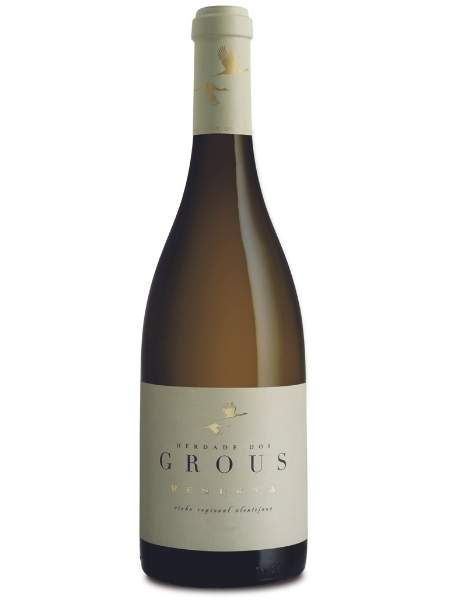
Portugal is one of the most exciting wine stories in the world right now — a country with hundreds of indigenous grape varieties that exist nowhere else on earth, ancient vine-growing traditions, and a new generation of winemakers bringing precision and ambition to some of Europe's most undervalued terroirs. The Douro Valley produces reds of extraordinary depth from Touriga Nacional and Touriga Franca. Alentejo turns out generously structured reds under the sun of the interior. Vinho Verde delivers some of the world's most refreshing and food-friendly whites.
Portugal also produces what our own editorial has called the wine nobody is talking about yet — a description that applies equally to the country's entire wine industry. If France is the benchmark and Spain is the spectacle, Portugal is the discovery.
Explore Portuguese wines
World Cup note: Portugal have Ronaldo. Portugal's wine has Touriga Nacional. Both age remarkably well.
Italy is the world's largest wine producer — and arguably its most complex. No other country combines such a diversity of climates, soils, grape varieties, and winemaking traditions across such a compact geography. From the Nebbiolo-driven nobility of Barolo and Barbaresco in Piedmont, to the Sangiovese-based elegance of Chianti Classico and Brunello di Montalcino in Tuscany, to the volcanic intensity of Sicilian Nero d'Avola and the fresh, mineral whites of Friuli — Italy rewards the curious drinker endlessly.
Italian wine at its best is inseparable from food — a tradition that shapes every wine style the country produces. High acidity, structured tannins, and restrained fruit are the hallmarks of the great Italian reds, making them among the finest food wines in the world.
Explore Italian wines
World Cup note: Italy failed to qualify — a national tragedy. Pour a Barolo in their honour regardless.
South Africa opens the 2026 World Cup against the host nation Mexico on June 11 — and their wine is just as worth watching as their football. The Cape Winelands, centred on Stellenbosch, Franschhoek, and Swartland, produce wines of genuine quality and individuality: Chenin Blanc with extraordinary versatility and age-worthiness, Pinotage (an indigenous crossing of Pinot Noir and Cinsault) with a character found nowhere else on earth, and Syrah and Cabernet Sauvignon blends that rival their counterparts from Rhône and Bordeaux at a fraction of the price.
South African wine is arguably the most undervalued in the world right now. The combination of ancient, well-drained soils, cool ocean influence, and a new generation of ambitious winemakers is producing wines of extraordinary value. The Bafana Bafana may be underdogs on the pitch — their wine is not.
Explore South African wines
World Cup note: South Africa open the tournament on June 11 vs Mexico. Best reason yet to open a Stellenbosch red at kick-off.
Chile is home to a secret that most wine drinkers still haven't discovered: Carménère, the lost grape of Bordeaux. Thought extinct after phylloxera wiped out the French vineyards in the 19th century, Carménère survived in Chilean vineyards — misidentified as Merlot for decades — until it was officially rediscovered in 1994. Today it is Chile's signature red: herbaceous, dark-fruited, structured, and entirely its own. Alongside Carménère, Chile produces exceptional Cabernet Sauvignon from the Maipo Valley and bright, mineral Sauvignon Blanc from the cool Casablanca Valley.
Chilean wine represents some of the most consistent quality-to-value in the world, backed by the natural advantage of a country that has never suffered phylloxera — meaning many Chilean vines are ungrafted and genuinely old, producing wines of unusual depth and concentration.
Explore Chilean wines
World Cup note: Chile qualified for the 2026 tournament after missing Qatar 2022. Their Carménère makes a triumphant return worth celebrating.
The United States is one of the three host nations of the 2026 World Cup — and Napa Valley Cabernet Sauvignon is one of the world's great wine styles. Since the 1976 Judgement of Paris, when California wines defeated French classics in a blind tasting, American wine has never looked back. Napa Cabernet at its best — from estates in Stags Leap, Oakville, and Rutherford — combines the structure of Bordeaux with a generosity of fruit that is uniquely Californian: ripe blackcurrant, cedar, dark chocolate, and tannins built for long ageing.
As the tournament's primary host nation, the USA carries most of the 104-match schedule — 78 games on American soil, including every match from the quarter-finals onward. The Americans are also one of Dis&Dis's strongest customer markets. Raising a glass of Napa Cabernet to the home team on match day seems entirely appropriate.
Explore American wines
World Cup note: The US hosts 78 of 104 matches, including every game from the quarter-finals onward. Open a Napa Cab for the final on July 19.
What about the other 40 nations?
The 2026 World Cup features 48 nations — many of them from countries with little or no wine production. Morocco, Japan, South Korea, Senegal, and Ecuador are among the qualifiers whose wine stories are either nascent or nonexistent. For these nations, we suggest leaning into the food and flavour traditions of the country rather than the wine — and perhaps reaching for a bottle from a neighbouring wine-producing region as a loose geographical pairing.
Canada, as co-host, deserves a mention: the Niagara Peninsula and Okanagan Valley produce excellent Pinot Noir and ice wine, though availability outside North America is limited. Mexico — the third host nation and opener venue for the tournament — is home to a growing wine industry in Baja California's Valle de Guadalupe, increasingly respected for its Nebbiolo and Cabernet Sauvignon.
Don't drink? The alcohol-free World Cup guide
The World Cup is a global celebration, and not everyone at the table drinks alcohol. The non-alcoholic wines in the Dis&Dis collection are built for exactly this kind of occasion — structured enough to stand beside food, serious enough to feel like a genuine choice rather than a concession. The DIVIN Vigneron Pinot Noir (Loire Valley, France) and Prince Oscar Non-Alcoholic Red (Saint-Émilion, France) are the two alcohol-free reds worth reaching for on match day. For a sparkling option, the DIVIN Vigneron Blanc de Blancs or Nooh Rosé from Château La Coste (Provence) both work beautifully as aperitifs for a long evening of football.
Frequently asked questions
What wine should I drink during the World Cup?
The most fun approach is to match the wine to the team playing. Spain vs Portugal? Open a Rioja alongside a Douro red. France vs Argentina? Bordeaux vs Malbec. South Africa vs Mexico? A Stellenbosch Cabernet is the obvious call. Every team in this guide has a corresponding wine style — and every bottle is available at Dis&Dis with worldwide delivery.
Which World Cup 2026 countries produce the best wine?
France and Spain are the traditional benchmarks, but Argentina, Portugal, Italy, Chile, South Africa, and the USA all produce wines of world-class quality. The 2026 tournament is unusually well-stocked with major wine nations — making it the ideal excuse to work through the world's finest wine-producing countries one match at a time.
Can I order wine from World Cup countries for delivery online?
Yes. Dis&Dis stocks wines from Spain, France, Argentina, Portugal, Italy, South Africa, Chile, and the USA, with worldwide delivery to over 22 countries. Orders placed before 2 PM Bucharest time ship the same day. Free shipping on orders over €150.
What is the best wine to drink while watching football?
Practically speaking: something you can pour easily, that works without food, and that holds up over a long evening. Rioja Crianza, a lighter Bordeaux Supérieur, or a Chilean Cabernet Sauvignon are all strong match-day choices. For a sparkling option that works from kick-off to final whistle, the DIVIN Vigneron Blanc de Blancs (alcohol-free) or a Cava from Spain cover both the alcoholic and non-alcoholic sides of the table.
Shop wines from every World Cup nation
Worldwide delivery · Free shipping over €150 · Same-day dispatch
Related post
06
Oct
01
Oct