
The Grapes Almost No One Else Sells
Spain has spent the last century quietly forgetting most of its own wine. As phylloxera, war, and the relentless economics of bulk production swept through the 20th century, growers across the country pulled out anything that wasn't reliably high-yielding and replaced it with a handful of safe, internationally familiar varieties. Tempranillo. Garnacha. Cabernet Sauvignon. The grapes that didn't make the cut — the strange, low-yielding, regionally stubborn ones — mostly just disappeared.
A small number of growers refused to let that happen. What follows are four of their grapes, each one rescued, each one now bottled in vanishingly small quantities, each one sitting in our collection right now.
Hondarrabi Beltza — The Red Wine Basque Country Almost Lost
Most people who know Txakoli know it as a white wine. Almost no one knows it used to be red too. Hondarrabi Beltza is the Basque Country's native dark-skinned grape, believed to be an ancestor of Cabernet Franc, and for most of the 20th century it was treated as an afterthought — a minor blending grape overshadowed entirely by its white sibling, Hondarrabi Zuri.
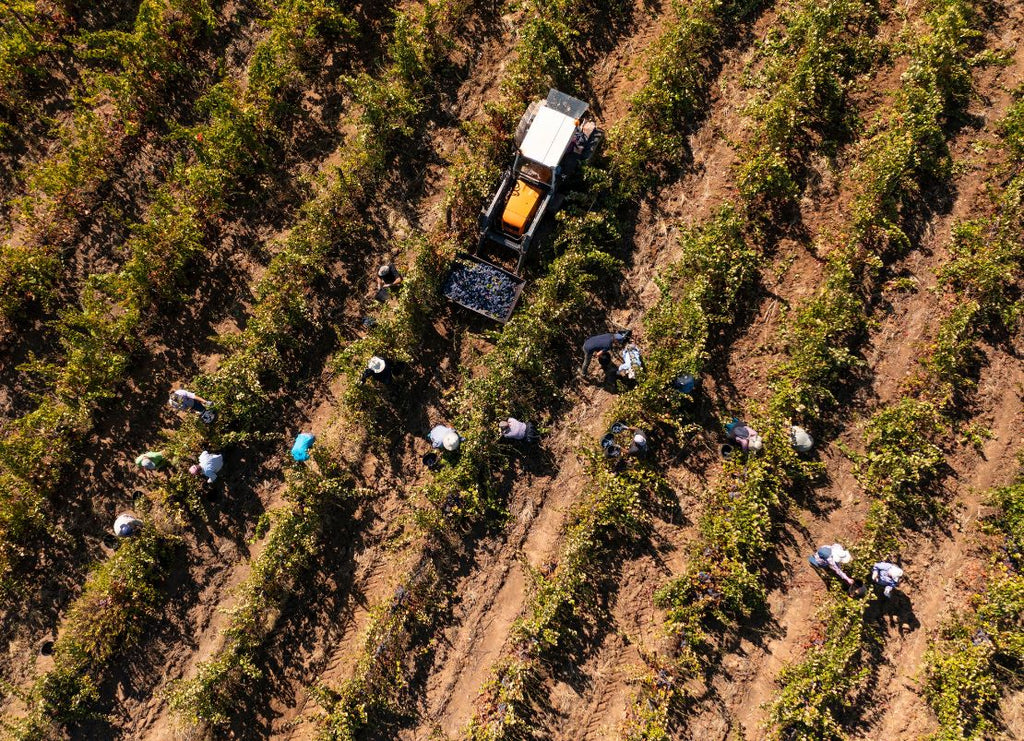
Our bottle, Ilun — Basque for "dark," also a name for the god of the night — comes from a 40-hectare family estate on the steep, southeast-facing slopes of Bizkaia. The grapes are hand-harvested in October from low-yielding vines, and the result pours a clear cherry red with a violet rim: herbaceous, marked by redcurrant and raspberry, with an elegant edge of spice and a fresh, balsamic finish. It tastes nothing like the wine most people associate with this region, which is exactly the point.
Moristel — Once the Queen of Somontano, Now Less Than 2% of the Vineyard
Before Tempranillo and Cabernet Sauvignon took over the Pyrenean foothills of Somontano, Moristel was the variety everyone grew. It was perfectly adapted to the region's specific conditions — cool nights, dramatic temperature swings, the kind of terroir that international grapes struggle to express. Today it represents less than 2% of the vineyard in its own home region, a near-total reversal from a wine that used to define the place.
Our bottle comes from Bodegas Fábregas, a family winery in Barbastro founded in 1883, currently in its fifth generation and actively working to bring Moristel back from the edge — partnering with growers who preserved old vines and pushing new plantings of carefully selected material. The wine itself is cherry red with a garnet rim, intensely aromatic with wild herbs, thyme, and rosemary over ripe fruit and a light toasted-oak note, structured but alive, with the kind of rustic tension a grape develops when it's spent decades fighting to survive.
Garnacha Peluda — Garnacha's Hairy, Nearly Forgotten Cousin
Garnacha Peluda — "hairy Garnacha," named for the fine down on the underside of its leaves — is a genetically distinct strain of Garnacha that has all but vanished from Spanish vineyards. It survives almost entirely in pockets of Terra Alta, in Catalonia, where a handful of growers have refused to let it go.
Our bottle, La Pilosa, comes from Herència Altés — a project started in 2010 by Núria Altés, who grew up among her family's vines in Terra Alta, and Rafael de Haan, whose path to Spanish wine began in England. The grapes are hand-harvested separately from regular Garnacha, fermented in stainless steel, then aged for twelve months in Austrian foudre. The result is a wine of real character: airy and elegant for its 15% alcohol, fresh acidity, a wild, spicy edge, and just 6,000 bottles made. It has caught the attention of serious international critics, who've singled it out for its freshness and its honest expression of a variety almost no one else is bottling.
Garnacha de Toro — A Region Famous for Power, Reinterpreted as a Single Grape
Toro built its reputation on dense, high-alcohol Tinta de Toro — the regional name for Tempranillo, grown in punishing heat and old, ungrafted vines that produce wines of enormous concentration. Garnacha exists in Toro too, but almost always as a supporting player, blended in to soften Tempranillo's intensity rather than bottled to stand on its own.
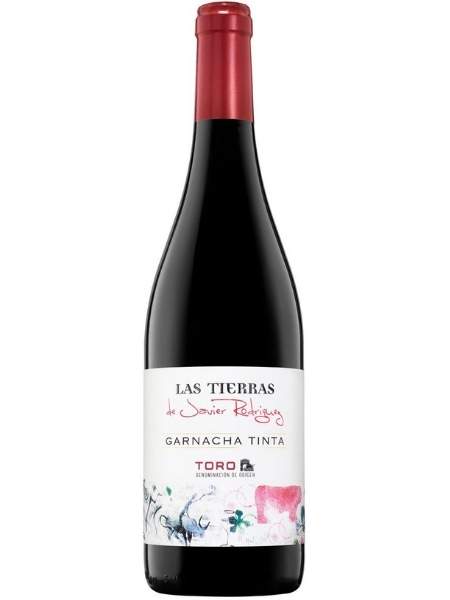
Las Tierras de Javier Rodríguez does something different: a 100% Garnacha de Toro, aged in barrel, built to be fresh and elegant rather than powerful — a deliberate argument against everything Toro is usually known for. It's a genuinely rare thing to find on a shelf, and a useful reminder that even a region with a fixed reputation has more than one grape, and more than one idea about what wine made there should taste like.
Why Rescued Grapes Are Worth Seeking Out
None of these four wines exist because it was commercially easy to make them. Each one required a grower or a winery to actively work against the path of least resistance — preserving old vines, replanting forgotten material, hand-harvesting tiny parcels separately from everything else. What you get in return is something genuinely difficult to find anywhere else: a taste of what an entire region used to be, before it standardized around whatever sold easiest.
Frequently Asked Questions
What is Hondarrabi Beltza? The Basque Country's native dark-skinned grape, used to make red and rosé Txakoli, believed to be an ancestor of Cabernet Franc.
What is Moristel? A nearly disappeared native red grape from Somontano in Aragón, once the region's dominant variety, now grown on less than 2% of its vineyard land.
What makes Garnacha Peluda different from regular Garnacha? It's a genetically distinct, fine-leafed strain of Garnacha that survives almost exclusively in pockets of Terra Alta, Catalonia.
Is Garnacha grown in Toro? Yes, though almost always blended with Tempranillo (Tinta de Toro); a 100% Garnacha de Toro is rare.
You might also like: [Fábregas Moristel] · [La Pilosa Organic 2017] · [Las Tierras de Javier Rodríguez Garnacha Barrica 2020]
Related post
06
Oct
01
Oct