
Txakoli: The Basque White That Refuses to Behave
There's a wine in the north of Spain that the rest of the country still doesn't quite know what to do with. It's bone-dry, faintly fizzy, low in alcohol, and traditionally poured from a full arm's height above the glass — not for theater, though it looks like theater, but because the wine needs the fall to wake up. Pour it gently and it sulks. Pour it from up high and it sings.
This is Txakoli (pronounced chah-koh-LEE), and it has spent most of its life as a regional secret of the Basque Country, served in the cider houses and pintxo bars of San Sebastián and Bilbao, almost never exported, almost never explained.
A Wine Born of Bad Weather
Most great white wine regions get something the Basque coast doesn't: a long, generous, sun-soaked summer. The vineyards here sit exposed to the Atlantic, battered by rain and wind, ripening grapes slowly and reluctantly. The grape behind Txakoli, Hondarrabi Zuri, is rarely grown outside this corner of Spain. Under Atlantic pressure it produces tiny, thick-skinned berries with searing acidity and almost no sugar to spare. Where a Rueda Verdejo or a Rías Baixas Albariño can lean into ripe stone fruit, Txakoli stays lean, green, and saline almost by necessity. It's a wine that tastes like where it's from, which is the entire point of drinking it.
One Coastline, One Winery, Five Centuries
Txakoli is made under three related but separate appellations: Getariako Txakolina, Bizkaiko Txakolina, and Arabako Txakolina. Our own Txakoli, Bidaia, comes from the first and most historic of the three — Getariako Txakolina, centered on the fishing town of Getaria, where the tradition is oldest and the pour-from-height ritual is most theatrical.
Bidaia is made by Garaikoetxea Txakolindegia, a winery that has been growing Hondarrabi Zuri on these Atlantic-facing slopes since the 16th century. The vines themselves are 25 years old, planted on a vineyard that sits directly in front of the Cantabrian Sea — close enough that the salt air is doing as much work as the winemaker. Five hundred years of doing the same thing in the same place tends to produce a winemaking philosophy with very little ego in it: respect the grape, respect the sea, don't get in the way.
The Pour Is Not a Gimmick
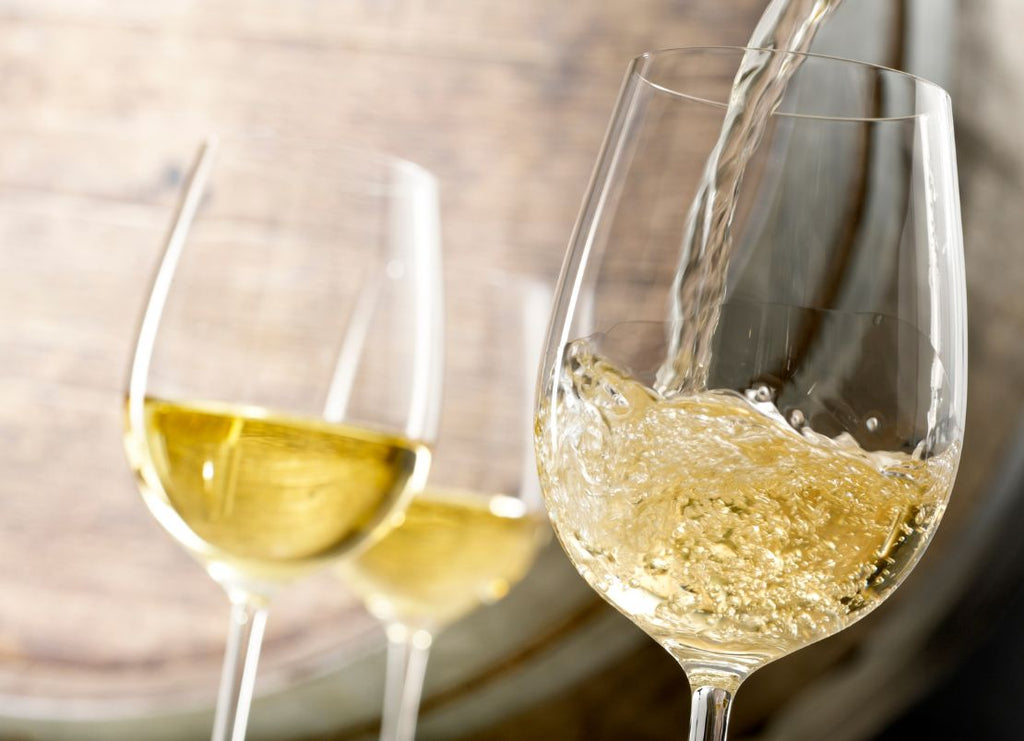
Watch a Basque waiter pour Txakoli and it looks like a flourish — the bottle held high above the glass, the wine arcing down in a thin stream. It isn't for show. Txakoli carries a small amount of dissolved carbon dioxide left over from fermentation, and that high pour aerates the wine and rouses the trapped fizz — what Bidaia's own winemaking notes call its "light, elegant pétillance," acquired naturally during fermentation, with no winemaker able to take credit for it. Poured straight down the side of the glass, Txakoli tastes flatter and duller than it's meant to. The ritual exists because the wine genuinely needs it.
Why It Took This Long to Travel
Spain has done a good job exporting its white wines over the last two decades — Albariño in particular has become a recognizable, bankable name on international wine lists. Txakoli never had that moment. Production has historically been small and fragmented across hundreds of tiny growers, and the Basque Country has, frankly, never needed outside markets the way other regions have — the wine sells out locally to a population that already loves it.
That's beginning to shift as serious wine drinkers elsewhere start hunting for the next thing after Albariño. Txakoli is, in a real sense, where Albariño was fifteen years ago: critically respected within Spain, barely known outside it.
What's Actually in the Glass
Bidaia pours pale and bright with greenish reflections and that fine, natural bubble. On the nose: green apple and fresh grape, with a minty lift the Cantabrian air seems to place there itself. The palate opens dry and clean, then unfolds into a finish far more persistent than the wine's lightness prepares you for. At 10.5% ABV, it's an easy, refreshing pour rather than a heavy one — best served between 6°C and 8°C.
What to Eat With It
Txakoli was built for the Basque table, which means it was built for seafood. Anchovies, grilled sardines, fried fish, and pintxos of all kinds are the natural pairing — the acidity cuts through oil and salt the way few other whites can. It is not a wine for slow, contemplative sipping; it's a wine for a table where people are talking over each other, refilling glasses without thinking too hard about it, and reaching for the next plate of food before the last one's finished.
Frequently Asked Questions
Is Txakoli the same as Cava? No. Cava is a traditional-method sparkling wine with significant bottle pressure; Txakoli is a still wine with only a faint, naturally occurring fizz, far lighter than any sparkling wine.
What does Txakoli taste like? Crisp green apple and fresh grape, a slightly minty note, and a dry, persistent finish — light-bodied and low in alcohol.
How should Txakoli be served? Chilled, between 6°C and 8°C, and traditionally poured from a height to aerate the wine and lift its natural pétillance.
What is Getariako Txakolina? One of three Txakoli appellations in Spain's Basque Country, centered on the fishing town of Getaria, and considered the most historic of the three.
Related post
06
Oct
01
Oct