
Why Alcohol-Free Red Wine Belongs on the Christmas Table
Summer makes alcohol-free wine easy to imagine. A cold glass of white wine on a terrace, rosé beside lunch or sparkling wine at a celebration all seem immediately natural. Winter asks something more difficult of the category.
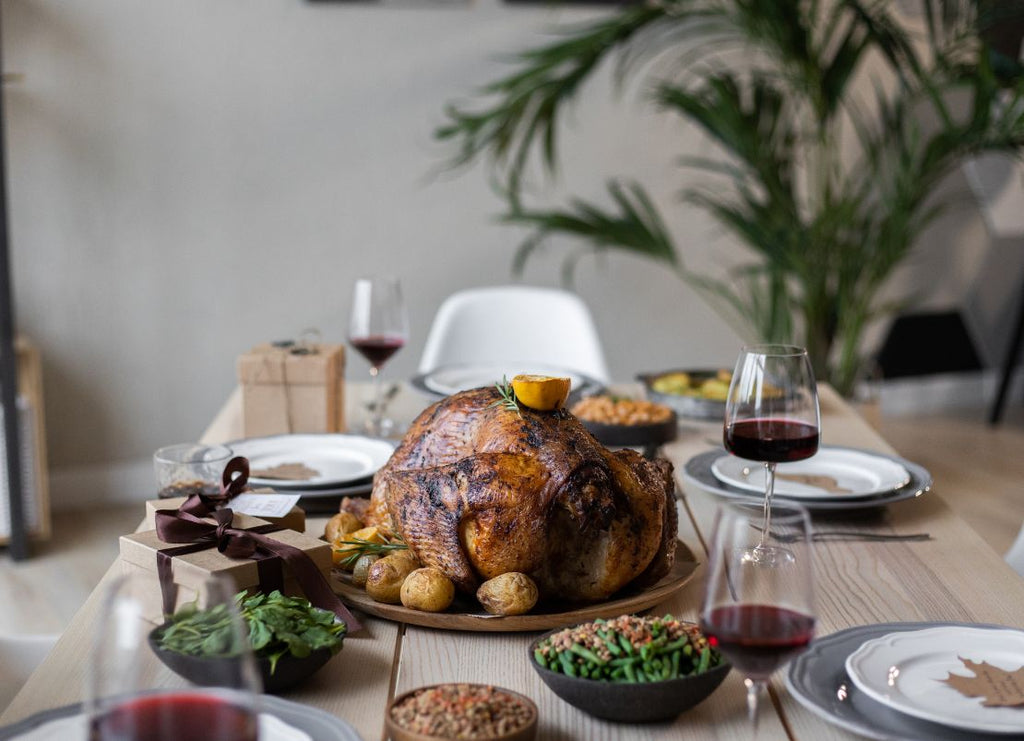
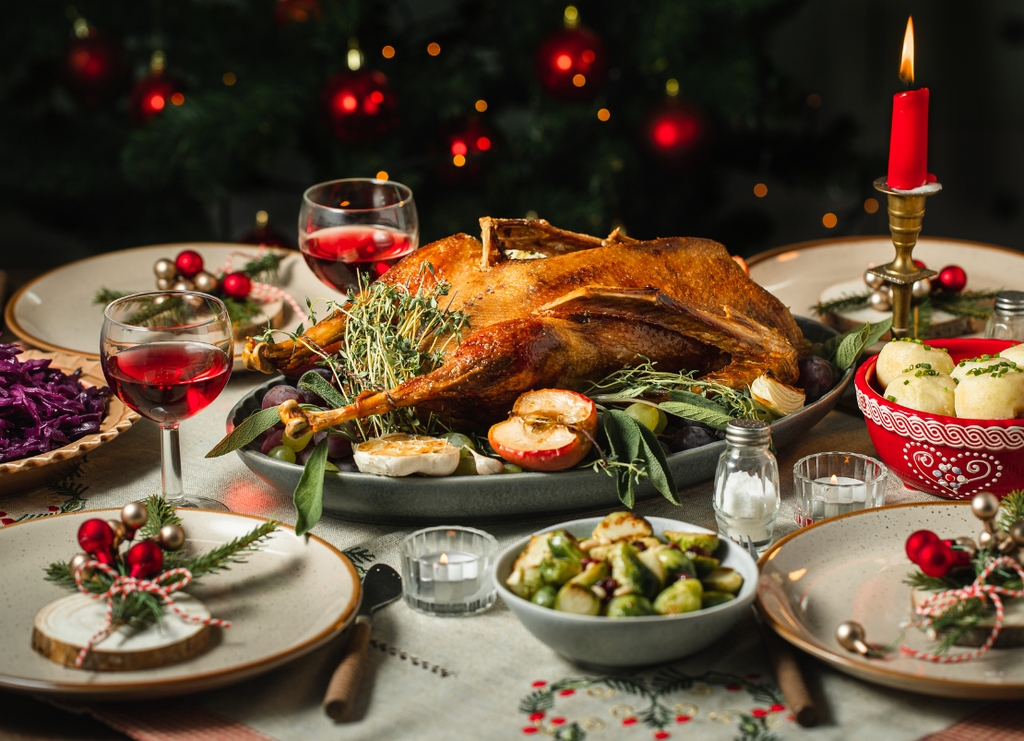
When evenings become darker and Christmas approaches, wine traditionally becomes warmer, deeper and more substantial. Roast dinners replace lighter summer dishes, mushrooms and root vegetables return to the table, cheese boards become more generous, and red wine begins to feel less like a choice than part of the season itself.
That is exactly where alcohol-free wine has something to prove.
Removing alcohol from red wine is particularly challenging because ethanol contributes body, warmth and texture—the very qualities many people associate with a glass of red wine in winter. Yet that does not mean alcohol-free red wine has no place beside a fireplace or at Christmas dinner. It means we need to look more closely at everything else that makes red wine taste like red wine.
Tannin, acidity, fruit, grape variety, fermentation, oak and winemaking do not suddenly become irrelevant when alcohol is removed. In a good alcohol-free red, these elements have to work harder. And when they do, winter becomes one of the most interesting seasons to discover what the category can actually achieve.
Why do we associate red wine with winter?
There is nothing in the vineyard that says red wine can only be enjoyed when the temperature drops. Our preference for it in winter is partly cultural, but there are also practical reasons why the association feels so natural.
Winter food tends to become richer. Roast meat, mushrooms, lentils, stews, root vegetables, gravy, hard cheeses and slow-cooked dishes bring more fat, protein, savoury flavour and texture to the table. Red wine's tannins, acidity and deeper fruit profiles can stand beside those foods in ways that very delicate wines sometimes cannot.
Temperature matters too. In summer, freshness is often the priority. In winter, we become more receptive to flavours associated with dark fruit, spice, herbs, earth, toast and oak. The physical warmth of alcohol can reinforce that impression in conventional red wine.
Take the alcohol away and one of those elements disappears. The rest do not.
That is where alcohol-free red wine becomes interesting.
Why is red wine harder to dealcoholize than many people expect?
Alcohol does more than make wine alcoholic. Ethanol contributes to mouthfeel, affects how aromas are perceived and provides some of the warmth and weight we experience when drinking conventional wine.
This matters particularly in red wine because structure is so important. Tannin creates grip, acidity provides freshness and fruit supplies aromatic character, but alcohol helps bring those components together. Remove it and the balance can change considerably.
A poorly balanced alcohol-free red can therefore feel thin, overly tannic or strangely sweet. Adding sweetness may create more apparent body, but too much can make the wine feel more like a fruit drink than a dry table wine.
The best producers have a much more difficult objective: preserve enough wine character that the bottle remains interesting after the alcohol has gone.
This is why we should not judge alcohol-free red wine simply by asking whether it tastes exactly like a 13% or 14% red. It cannot have precisely the same physical effect because an important structural component has been removed. A more useful question is whether the remaining fruit, acidity, tannin, aroma and texture still create a convincing wine experience.
Tannin becomes even more important without alcohol
Tannin is responsible for the drying, gripping sensation associated with many red wines. It comes principally from grape skins and seeds during winemaking, while maturation in oak can contribute additional tannic structure.
Different grape varieties naturally approach tannin differently. Cabernet Sauvignon can be considerably more structured than Pinot Noir, while Merlot, Syrah and Tempranillo each bring their own balance of fruit, tannin and acidity.
Once alcohol is removed, tannin becomes particularly noticeable because there is less alcoholic weight surrounding it. Too much can make a dealcoholized wine feel hard. Too little, however, can leave the wine without enough structure to stand beside winter food.
Food changes that perception again. Protein, fat and sauces can soften the way tannin feels, which is one reason an alcohol-free red that seems relatively structured on its own may become much more harmonious alongside dinner.
Christmas is therefore an ideal moment to judge these wines with food rather than in isolation.
Merlot: softness can be an advantage
Merlot is one of the most useful grapes for anyone beginning to explore alcohol-free red wine. Its reputation for relatively supple tannins and generous fruit gives winemakers a useful starting point when alcohol is removed.
That doesn't mean every Merlot is soft or every alcohol-free Merlot tastes alike. Region, ripeness, winemaking, blending and dealcoholization all affect the final result. But compared with a naturally more assertive tannic variety, Merlot can provide a particularly approachable route into winter red wine.
The current Dis&Dis range allows us to see that grape from several perspectives. Claouset Zéro Degré is a French 100% Merlot carrying a 0% declaration, while Merlot Nr. 405 gives us a German 100% Merlot, also at 0%. Merlot also appears as an important component of several French blends in the collection.
At Christmas, Merlot can make sense with roast poultry, mushroom dishes, lentils, roasted vegetables and softer cheeses. It offers enough red-wine character to feel appropriate in winter without automatically requiring the weight of a powerful Cabernet Sauvignon.
Our complete non-alcoholic Merlot guide explores the grape and what happens to its structure when alcohol is removed.
Cabernet Sauvignon: structure without relying on alcoholic power
Cabernet Sauvignon presents a different challenge. Its naturally assertive tannic structure is one reason the grape can produce extraordinarily long-lived conventional wines, but that structure needs balance when alcohol is removed.
This is where food becomes important. Cabernet can be unnecessarily dominant beside a very delicate dish, while richer Christmas food gives its structure something to work against. Roast beef, mushrooms, deeply roasted vegetables and substantial sauces create a much more natural context.
Within the Dis&Dis range, Born to Be Free Red Alcohol Free Wine provides a French 100% Cabernet Sauvignon at 0%. Cabernet also appears in blends, where other varieties can alter its structural profile.
A Bordeaux-style blend can be particularly interesting in this context. Cabernet Sauvignon may contribute structure, Cabernet Franc another aromatic dimension, and Merlot a different balance of fruit and tannin. Dealcoholization changes the final wine, but the logic behind blending remains relevant.
This is why alcohol-free Cabernet Sauvignon should not simply be marketed as “a big red without the alcohol”. Its interest lies in seeing how much Cabernet character can remain once alcoholic weight is no longer available to support it.
Syrah brings something winter understands instinctively
Syrah is one of the grapes that feels particularly at home in winter. Darker fruit profiles, savoury character and the peppery notes associated with many Syrah wines naturally fit the flavours we encounter around colder-weather cooking.
The pepper connection is especially fascinating because it is not merely poetic tasting language. A compound called rotundone is strongly associated with the black-pepper aroma found in Syrah and certain other grape varieties. This means part of Syrah's recognisable identity exists independently of alcohol itself.
That doesn't mean dealcoholization leaves every aroma unchanged. Alcohol affects aroma release and perception, and processing can alter the sensory balance of the wine. But Syrah begins with an aromatic identity that gives the winemaker something distinctive to preserve.
Virgin Syrah Alcohol Free, from Occitanie in France, is a 100% Syrah carrying a 0% declaration. Syrah Nr. 450 gives us another expression of the variety, this time from Germany and also at 0%.
At the winter table, think mushrooms, lentils, roasted vegetables, savoury pastry and richer meat dishes. Syrah does not need a summer terrace. It wants dinner.
Pinot Noir proves that winter red wine doesn't have to be powerful
Not every Christmas red needs to be dark, tannic and substantial. In fact, some of the most useful winter wines are successful precisely because they are not.
Pinot Noir generally has thinner skins and a lighter tannic structure than varieties such as Cabernet Sauvignon. Its acidity and red-fruit character can give it considerable gastronomic versatility, particularly with poultry, mushrooms and earthy vegetable dishes.
Dealcoholization is not necessarily easy for Pinot Noir. Its delicacy means there is less structural weight to begin with, so removing alcohol can make the wine feel even lighter. But when acidity, aroma and fine tannin remain in balance, that lightness can become an advantage at the table.
DIVIN Vigneron Pinot Noir gives us a French expression within the Dis&Dis range and carries a <0.5% declaration. It also illustrates why the alcohol-free category should not be judged according to darkness of colour or sheer power.
Christmas dinner can be rich, but turkey is still relatively delicate. Mushrooms are earthy rather than heavy. Not every plate needs Cabernet Sauvignon.
Sometimes Pinot Noir is the more intelligent red.
Tempranillo brings Spain to the winter table
For a Spanish Christmas table, Tempranillo requires little introduction. It is one of the country's defining red varieties and plays a central role in celebrated wine regions including Rioja and Ribera del Duero.
Tempranillo also demonstrates why alcohol-free wine should remain connected to wine culture rather than becoming a generic beverage category. Grape varieties carry histories, regional associations and established relationships with food. Removing alcohol does not erase those stories.
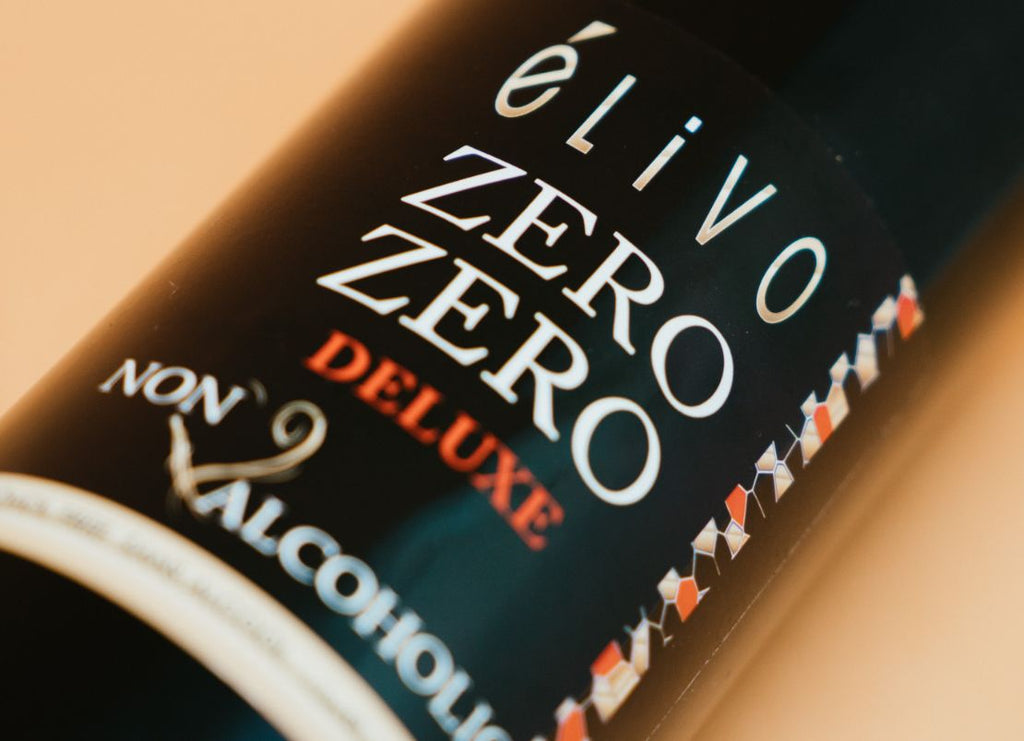
Elivo Zero-Zero Deluxe Red 2025 combines 60% Tempranillo with 40% Cabernet Sauvignon and carries a 0.0% declaration. Cardio Zero Red, at 0%, takes another route by combining Tempranillo with Mencía and Garnacha Tintorera.
Neither bottle should be treated as though it were simply a conventional Rioja or Ribera with the alcohol magically removed. They are their own wines with their own compositions. But Tempranillo gives them a recognisably Spanish foundation.
With roasted vegetables, lamb dishes, mushrooms, charcuterie-style flavours and savoury Christmas cooking, that connection becomes particularly relevant.
Blends may have an advantage in alcohol-free red wine
Wine blending exists because one grape does not always provide everything a winemaker wants. One variety may contribute tannin, another fruit, another acidity or aromatic complexity.
That logic becomes particularly interesting after dealcoholization.
When alcohol is removed, the balance of the wine changes. A carefully constructed blend gives the producer several components to work with rather than relying entirely on one grape's structure.
The Dis&Dis range contains several examples. Moderato Cuvée Originale Le Rouge combines Cabernet Sauvignon, Cabernet Franc and Merlot and carries a 0% declaration. BERTIC0%T and No Limit Red take a Merlot-dominant approach with Cabernet Franc, while other wines combine Spanish varieties in very different proportions.
This doesn't mean blends are automatically better than varietal wines. A well-made 100% Merlot or Syrah can be excellent. It simply means blending remains one of the winemaker's most important tools—and alcohol removal gives that tool another reason to matter.
Does oak still matter when the alcohol is removed?
Oak is sometimes misunderstood as though it were an intrinsic flavour of certain grapes. It isn't. Chardonnay does not naturally taste of oak, and neither do Cabernet Sauvignon or Tempranillo. Oak character comes from choices made during fermentation or maturation.
Depending on the barrel, age, toast level and length of contact, oak can contribute aromas and flavours associated with vanilla, toast, spice, smoke and other characteristics. It can also influence texture and tannic structure.
Dealcoholization can change how those characteristics are perceived because ethanol affects both aroma and mouthfeel. Nevertheless, oak-derived character can remain part of the architecture of a finished alcohol-free wine.
This becomes particularly interesting in winter because toasted and spicy aromas naturally fit the season's food and atmosphere. But more oak is not automatically better. Without sufficient fruit and texture around it, excessive oak character can dominate an alcohol-free wine.
As always, balance matters more than intensity.
Dry alcohol-free red wine should not taste like grape juice
One of the biggest barriers to alcohol-free red wine is the expectation that it will taste sweet. Sometimes that concern is justified; other times, what the drinker is actually noticing is fruit.
A wine can smell of blackberry, cherry, raspberry or plum without being sweet. Aromatic fruit and residual sugar are different things.
This distinction matters particularly with red wine because dark-fruit aromas are so often described using ripe-sounding language. “Blackberry” does not mean blackberry juice has been added, and “ripe cherry” does not automatically mean the wine contains enough sugar to taste sweet.
At the same time, some alcohol-free producers may use sweetness to help restore body or balance after dealcoholization. That is why the individual wine matters.
If your priority is finding a red that tastes genuinely dry rather than merely avoiding fruity aromas, our guide to dry non-alcoholic wine explains how acidity, residual sugar and fruit perception work together.
Christmas food can make alcohol-free red wine taste better
Wine is rarely consumed in a sensory vacuum, and red wine especially can change dramatically once food arrives.
Tannin that feels slightly firm on its own may become much more comfortable beside protein or fat. Acidity that seems pronounced during a first sip can become refreshing beside gravy or roasted food. Fruit character can provide contrast against earthy mushrooms or savoury herbs.
This is why we are reluctant to judge alcohol-free red wine solely through a quick sip at room temperature without food.
Give it dinner.
A Merlot that seems relatively light by itself may suddenly make sense with mushroom pastry. Syrah can find a natural partner in herbs and roasted vegetables. Pinot Noir can become much more expressive beside poultry and mushrooms. Cabernet Sauvignon can finally have enough intensity around it when roast beef reaches the table.
The meal completes part of the experience.
Alcohol-free red wine and roast beef
Roast beef gives structured red wine one of its clearest Christmas opportunities. The meat has sufficient flavour and protein to accommodate tannin, while gravy and roasted accompaniments add further intensity.
Cabernet Sauvignon and structured red blends are logical starting points here. They provide more tannic architecture than a very delicate Pinot Noir and are less likely to disappear beside a substantial plate.
Alcohol-free red wine will not reproduce the alcoholic warmth of a conventional high-ABV Cabernet. It doesn't need to. What matters is whether tannin, acidity, fruit and savoury character provide enough structure to interact with the food.
Serve the wine at an appropriate temperature rather than excessively warm and allow the meal to do part of the work.
What about Christmas turkey?
Turkey presents almost the opposite problem. The meat itself is delicate, so a very structured red can overwhelm it.
Pinot Noir and softer Merlot styles are natural places to begin. They provide red-wine character without necessarily bringing the same tannic force as Cabernet Sauvignon.
But once again, look at the entire plate. Turkey with a light jus and vegetables is one thing. Turkey covered in rich gravy beside sausage stuffing and mushrooms is quite another.
Christmas wine pairing becomes easier when we stop asking “What goes with turkey?” and start asking “What is actually on my plate?”
Mushrooms may be alcohol-free red wine's best winter friend
If there is one ingredient that deserves more attention in winter wine pairing, it is the mushroom.
Mushrooms bring earthy, savoury flavours without requiring meat, and those characteristics can be wonderful alongside red wine. Pinot Noir is an obvious candidate because its delicacy and earthy associations can complement rather than overwhelm the dish.
Syrah can take mushroom dishes in a darker, more savoury direction, while Merlot can work beautifully when cream, pastry or roasted vegetables add richness.
This also makes alcohol-free red wine particularly useful for vegetarian Christmas menus. The idea that red wine requires steak is unnecessarily restrictive. Structure and flavour intensity matter far more than whether the plate contains meat.
Don't forget cheese
Christmas cheese boards can be almost as complicated as Christmas dinner because “cheese” is not one flavour.
A soft Brie, mature Gouda, aged Cheddar, goat's cheese and blue cheese have radically different levels of salt, fat, acidity and intensity. One red wine is unlikely to be perfect with all of them.
Softer Merlot can work with a range of moderately flavoured cheeses, while more structured reds may stand beside harder mature varieties. Very strong or salty cheeses can be more difficult and may sometimes work better with a completely different wine style.
And after a long meal, there is no obligation to keep moving towards heavier wine. Returning to a fresh alcohol-free sparkling wine with the cheese course can be surprisingly effective.
Christmas dinner should evolve, not simply become heavier with every course.
Should alcohol-free red wine be served at room temperature?
“Room temperature” is one of wine's most persistent pieces of advice and one of its most misleading.
Modern heated rooms can easily be considerably warmer than the conditions historically implied by cellar or room-temperature service. An alcohol-free red served too warm can appear soft, broad and less fresh.
Many alcohol-free reds can benefit from being served slightly cool. Around 14–16°C can be a useful general starting point for many styles, although the producer's individual serving recommendation should always take priority.
Lighter reds can sometimes be particularly attractive towards the cooler end of that range. More structured examples may open as they gradually warm in the glass.
Don't be afraid to put an alcohol-free red in the refrigerator briefly before dinner. Slightly too cool is easy to correct—the wine will warm naturally in the glass. Too warm is much harder to undo once everyone is sitting at the table.
Use a proper wine glass
This sounds obvious, but it matters.
If conventional red wine is being served in stemware while alcohol-free wine is poured into a tumbler, the two drinks are being treated differently before anyone has even tasted them.
A proper wine glass gives aroma room to develop and allows the drinker to experience the wine as wine. This matters particularly for alcohol-free reds because aroma becomes an important part of the experience when alcoholic weight has been reduced or removed.
There is no special “non-alcoholic wine glass” required. Use the glasses you would normally use for red wine.
The ritual isn't superficial. It is part of how we taste.
0%, 0.0% and <0.5% are different declarations
The alcohol-free red wine collection at Dis&Dis includes bottles carrying 0%, 0.0% and <0.5% declarations. We preserve those distinctions because they should not be treated as interchangeable descriptions.
A guest choosing alcohol-free wine may care about that information for their own reasons. The host doesn't need to make assumptions on their behalf; simply make the bottle and its information available.
The declaration also does not tell you whether the wine is dry, fruity, tannic, light or full-bodied. Nor is it a quality ranking.
A 0.0% Tempranillo blend and a <0.5% Pinot Noir are not two versions of the same thing. They are different wines made from different grapes with different structural ambitions.
That diversity is precisely what makes the category increasingly interesting.
Can alcohol-free red wine actually feel like a winter wine?
Yes—but perhaps not for the reason we once assumed.
If winter red wine is defined exclusively by alcoholic warmth, then removing alcohol obviously removes part of the experience. No responsible description of alcohol-free wine should pretend otherwise.
But winter wine has never been only about ethanol.
It is also the peppery aroma of Syrah beside roasted vegetables. It is Pinot Noir with mushrooms. It is Merlot beside a savoury pie. It is Cabernet Sauvignon with roast beef, Tempranillo at a Spanish family table and a red blend beside cheese after dinner.
It is the sound of glasses being placed on a Christmas table and the aroma that rises when wine is poured.
Alcohol contributes to that experience.
It does not own it.
Frequently asked questions about alcohol-free red wine at Christmas
What is the best alcohol-free red wine for Christmas?
There is no single best red for every Christmas meal. Pinot Noir can work particularly well with turkey and mushrooms, Merlot offers a softer route into red wine, Syrah suits savoury and roasted flavours, while Cabernet Sauvignon and structured blends can make more sense with roast beef and richer dishes.
What non-alcoholic red wine goes with Christmas turkey?
Pinot Noir and softer Merlot styles are good starting points because turkey itself is relatively delicate. The stuffing, gravy and side dishes should also influence the decision, as a richer plate can accommodate a more structured red.
What alcohol-free red wine goes with roast beef?
Cabernet Sauvignon and structured red blends are logical options because roast beef can accommodate more tannin and intensity. Look at the complete dish, including gravy and accompaniments, rather than the meat alone.
Is non-alcoholic Merlot good for Christmas?
Merlot can be particularly useful because its relatively approachable tannic structure can work across poultry, mushrooms, roasted vegetables and moderately flavoured cheeses. Individual wines still vary considerably, so grape variety should be treated as a guide rather than a guarantee.
Can you drink alcohol-free Syrah with vegetarian food?
Absolutely. Mushrooms, lentils, roasted root vegetables, herbs and savoury pastries can all create sufficient intensity for red wine. Red-wine pairing should be based on flavour and structure rather than simply the presence of meat.
Should non-alcoholic red wine be chilled?
Many alcohol-free reds can benefit from being served slightly cool rather than in a very warm room. Around 14–16°C can be a useful general starting point for many styles, although the producer's serving recommendation should take priority.
Is alcohol-free red wine sweet?
Not necessarily. Fruit aromas such as cherry, blackberry and raspberry do not automatically indicate sweetness. Individual alcohol-free wines vary, so check the wine's style rather than assuming the entire category is sweet.
Does alcohol-free red wine taste exactly like normal red wine?
Not exactly. Removing ethanol changes body, warmth, texture and aroma perception. A well-made alcohol-free red can retain recognisable wine characteristics, but expecting it to reproduce every sensory aspect of a conventional wine ignores the structural role alcohol plays.
Is every alcohol-free red wine 0.0%?
No. Individual wines may carry declarations such as 0%, 0.0% or <0.5%. Check the specific bottle when the precise alcohol declaration matters to you.
Christmas is a good time to rediscover red wine
The most interesting alcohol-free red wines do not ask us to pretend that alcohol was never part of wine. Removing ethanol changes the experience, and red wine makes those changes particularly visible because body, tannin and texture are so central to its identity.
But that difficulty is precisely what makes the category worth exploring.
Once we stop asking alcohol-free red wine to reproduce a conventional bottle perfectly, we can begin asking more interesting questions. What happens to Merlot's softness? Can Cabernet retain enough structure? Does Syrah's peppery personality survive? Can Pinot Noir's acidity and delicacy become an advantage? What does Tempranillo bring to a Christmas table when alcoholic warmth is no longer the centre of the experience?
Those are wine questions.
And that is ultimately why alcohol-free red wine belongs at Christmas. Not because it provides something for the person who cannot have the “real wine”, but because grape variety, producer, origin, structure and food still give us plenty to discover.
This winter, put the bottle on the table. Serve it at the right temperature. Give it a proper glass and, most importantly, give it food.
Then decide what you think.
At Dis&Dis, Dare to Discover has always been the point.
Related post
19
Nov
10
Nov