
Best Non-Alcoholic Wine for Thanksgiving: What to Pair with Turkey and Every Side
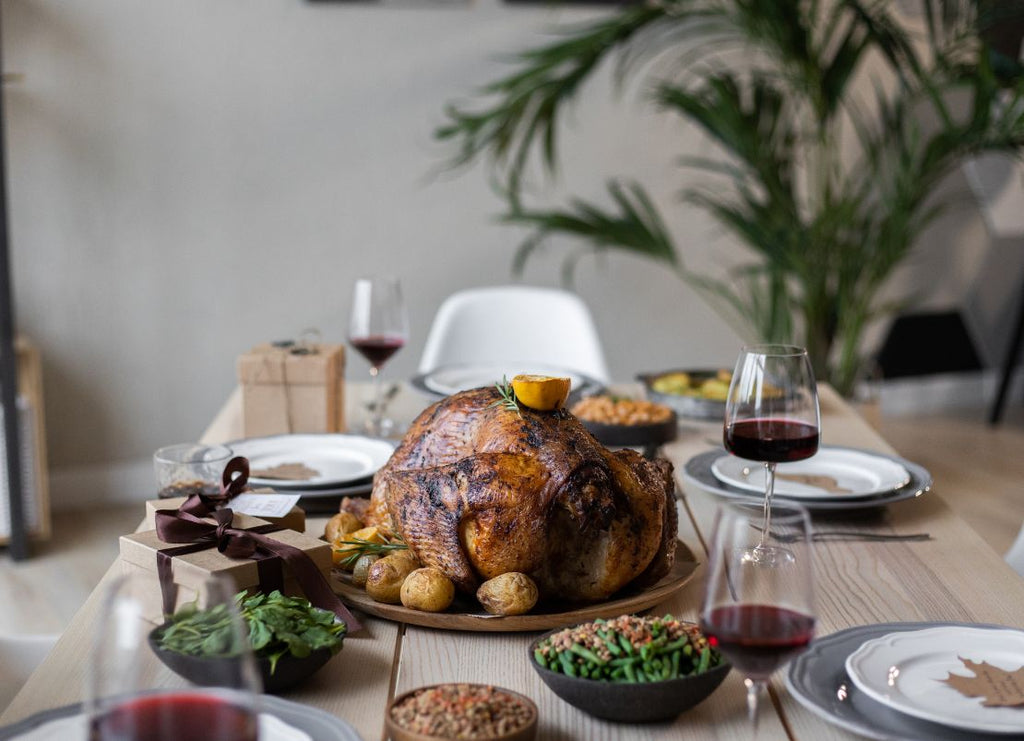
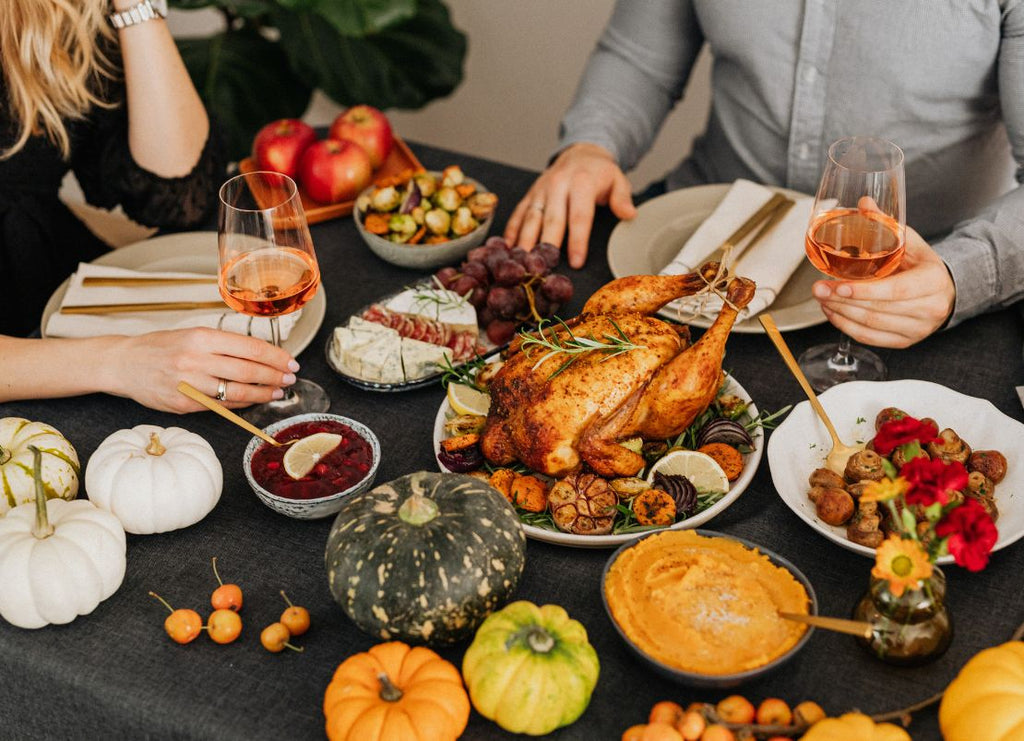
Thanksgiving may be America's most complicated wine-pairing dinner. Turkey gets most of the attention, but turkey itself is rarely the difficult part. The challenge is everything surrounding it: savoury stuffing, rich gravy, cranberry sauce, mashed potatoes, sweet potatoes, roasted vegetables and, eventually, pumpkin pie.
Many of those flavours appear on the same plate. A wine that works beautifully with roast turkey can struggle once cranberry sauce introduces sweetness, while a powerful red may overwhelm the meat and a delicate white can disappear beneath gravy and stuffing. Thanksgiving therefore rewards versatility more than sheer intensity.
Alcohol-free wine makes the question even more interesting. Without the body and warmth normally contributed by ethanol, acidity, fruit, tannin, aroma, sweetness and—in sparkling wine—carbonation have to create the balance. That doesn't make non-alcoholic wine unsuitable for Thanksgiving. In fact, the freshness of a well-balanced alcohol-free wine can be particularly useful during such a rich and varied meal.
The question isn't simply which non-alcoholic wine tastes most like the bottle you would normally open at Thanksgiving. It is which wine makes the food in front of you taste better.
Thanksgiving isn't really a turkey pairing
If Thanksgiving dinner consisted solely of sliced roast turkey, choosing wine would be relatively straightforward. Turkey is delicate enough to work with white, rosé and lighter red wines, giving us considerably more freedom than a substantial beef dish would.
But almost nobody eats Thanksgiving turkey on its own. Stuffing introduces herbs and savoury richness, gravy brings fat and roasted flavours, cranberry sauce adds acidity and sweetness, and sweet potatoes can take the plate even further towards sweetness. Every forkful can create a slightly different wine pairing.
This is why the best Thanksgiving wine is often not the biggest or most powerful bottle. Versatility matters more. We want sufficient acidity to refresh the palate, enough fruit to coexist with cranberry sauce and enough structure to remain present beside stuffing and gravy.
It also means there is no reason to search for one bottle capable of doing absolutely everything. Thanksgiving is a long meal. Opening two or three different wine styles throughout the afternoon or evening can be much more interesting.
Start Thanksgiving with bubbles
Thanksgiving begins before the turkey reaches the table. Guests arrive while food is still being prepared, bowls of nuts appear, someone opens the cheese, and small appetisers circulate while the kitchen becomes increasingly busy.
This is precisely where sparkling wine earns its place. Carbonation creates freshness and physical sensation across the palate, while acidity works particularly well with salty appetisers, cheeses, nuts and other small bites. In alcohol-free sparkling wine, those bubbles become even more interesting because they provide texture without relying on conventional alcoholic weight.
For Thanksgiving 2026, one bottle worth discovering is So Jennie Blanc Dry, a French sparkling wine carrying a 0% alcohol declaration. Rather than beginning the meal by presenting guests with an “alcohol-free alternative”, sparkling wine allows everyone to begin with something that naturally belongs to a celebration.
Serve it properly chilled and let it accompany the first part of the gathering. There is no reason the alcohol-free bottle needs to wait until dinner officially begins.
Why sparkling wine works particularly well without alcohol
Bubbles do more than make wine festive. Carbon dioxide creates physical movement across the palate and contributes to the sensory impression of freshness. Combined with acidity, that can give a sparkling wine energy even after ethanol is no longer providing the body and warmth found in conventional wine.
This is one reason alcohol-free sparkling wine can be such an accessible entry point for someone who has never explored the category. The drinker isn't relying solely on alcoholic warmth to provide structure. Acidity, aroma and carbonation have their own roles to play.
We explore this in much greater detail in our guide to non-alcoholic sparkling wine, but Thanksgiving provides an excellent practical demonstration. A good sparkling wine can begin with the appetisers, continue with seafood and even remain on the table once the turkey arrives.
Seafood before turkey? Try Melon de Bourgogne
Not every Thanksgiving begins with cheese and canapés. Oysters, prawns, smoked salmon and other seafood can make excellent starters, particularly for families that prefer a lighter beginning before the substantial main course.
Instead of automatically reaching for Sauvignon Blanc or Chardonnay, this is an opportunity to discover Phénomène De-alcoholized White Wine, made in France from Melon de Bourgogne and carrying a <0.5% alcohol declaration.
Melon de Bourgogne is the grape most famously associated with Muscadet and the western Loire, where its wines have a long cultural association with seafood. That doesn't mean Phénomène should be treated as identical to a conventional Muscadet, but the grape gives the pairing a genuine wine connection rather than merely selecting a white bottle because fish is being served.
This is also the kind of discovery we find particularly exciting at Dis&Dis. Alcohol-free wine doesn't have to narrow the wine world down to Chardonnay, Sauvignon Blanc and Cabernet Sauvignon. It can introduce drinkers to varieties they may never previously have considered.
For turkey, look beyond Chardonnay
Chardonnay is a perfectly logical Thanksgiving choice, but it isn't the only white grape capable of accompanying turkey. Because the meat itself is relatively delicate, freshness can be just as valuable as richness, particularly once the plate includes buttery vegetables, potatoes and savoury stuffing.
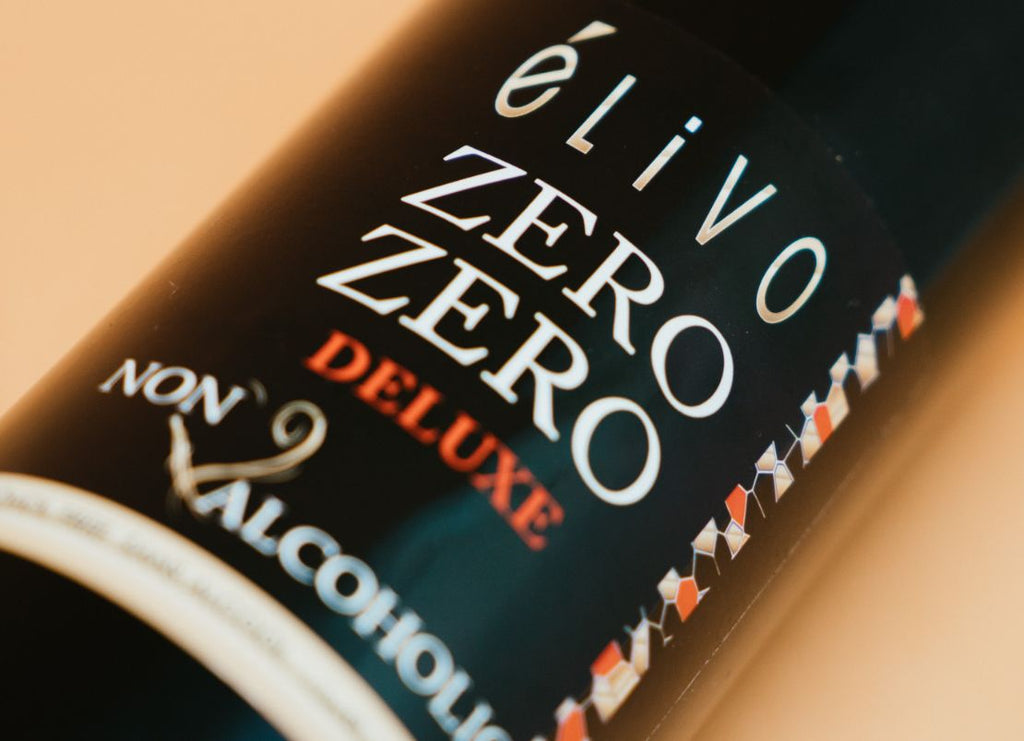
Elivo Zero-Zero Deluxe White Vegan gives us a particularly interesting Spanish alternative. The wine combines Albariño and Airén and carries a 0% alcohol declaration, bringing together two grapes with distinctly Spanish identities.
Albariño gives us a very different starting point from the broader Chardonnay styles commonly associated with roast poultry. Rather than trying to match the richness of the meal with additional weight, freshness can provide contrast, helping the palate recover between bites of turkey, stuffing and gravy.
Airén makes the blend more interesting still. One of Spain's historically important white varieties rarely receives the international attention given to Chardonnay or Sauvignon Blanc, yet alcohol-free wine gives us another reason to reconsider what familiar and unfamiliar grapes can contribute.
Rosé may be Thanksgiving's secret weapon
Rosé is too often packed away when summer ends. Thanksgiving is an excellent demonstration of why that makes little sense. Few meals contain such an awkward combination of white meat, roasted vegetables, herbs, fruit, gravy and sweetness, and rosé occupies a useful structural position between white and red wine.
Moderato Cuvée Originale Le Rosé gives us an interesting French example, combining Colombard and Cabernet Sauvignon and carrying a 0% alcohol declaration. It is a particularly intriguing blend for Thanksgiving because the two varieties bring very different reputations to the glass.
Colombard is associated with freshness and aromatic white wines, while Cabernet Sauvignon is famous for structured reds. Bringing the two together in rosé creates a completely different wine proposition from either variety on its own.
With turkey, stuffing and roasted vegetables all sharing the plate, that middle ground can be extremely useful. Thanksgiving may take place in late November, but wine does not stop being rosé simply because the weather has turned cold.
Cranberry sauce changes the entire pairing
Cranberry sauce is one of the defining flavours of Thanksgiving and one of the reasons the meal is so difficult to pair. It combines acidity, fruit and sweetness, creating a dramatic contrast with turkey, stuffing and gravy.
Sweet food also changes the way wine tastes. An extremely dry wine can suddenly seem sharper or thinner after a sweet mouthful, while a wine with expressive fruit can integrate more naturally. This doesn't mean we need a sweet wine with cranberry sauce, but it does mean that austerity isn't automatically an advantage.
Here, a rosé with pronounced fruit character can become particularly interesting. Oh My Baie Le Rosé combines Syrah, Grenache, Marselan and Merlot and carries a 0.0% alcohol declaration.
Four red varieties give the wine a very different starting point from the Colombard-Cabernet Sauvignon combination in Moderato. This is precisely why we should stop talking about rosé as though colour defines the entire category. Two pink wines can have completely different grapes, structures and personalities.
Fruitiness does not mean sweetness
This distinction becomes particularly important at Thanksgiving. Wine descriptions frequently mention strawberry, raspberry, peach, apple, citrus or other fruits, and it is easy to interpret those words as evidence that the wine itself must taste sweet.
They are not the same thing. Fruit descriptions primarily tell us about aroma and flavour associations, while sweetness relates to how sugar is perceived on the palate. A wine can smell strongly of berries while remaining dry.
The reverse is also important. A wine can contain residual sugar without necessarily appearing overtly sweet if sufficient acidity balances it. Thanksgiving demonstrates this relationship particularly clearly because the food itself repeatedly shifts between sweet, salty, acidic and savoury flavours.
If sweetness is particularly important to you, our guide to dry non-alcoholic wine explores the relationship between residual sugar, acidity and perceived sweetness in much greater depth.
When the gravy gets serious, move towards red wine
Some Thanksgiving plates are substantially richer than others. Sausage stuffing, mushroom gravy, deeply roasted vegetables and generous quantities of sauce can move the meal firmly towards red-wine territory even though turkey remains at its centre.
This is where Moderato Cuvée Originale Le Rouge becomes interesting. The French wine combines Cabernet Sauvignon, Cabernet Franc and Merlot, carries a 0% alcohol declaration, and is presented as a dry red in the current Dis&Dis range.
This classic combination of Bordeaux varieties gives the wine a more structured foundation than a delicate white or rosé. Cabernet Sauvignon and Cabernet Franc bring their own tannic and aromatic characteristics, while Merlot takes the blend in another direction.
The objective isn't to overwhelm turkey with the most powerful alcohol-free red we can find. It is to recognise when the accompaniments have become sufficiently rich that a more structured wine makes sense.
Tannin still matters when the alcohol is gone
Tannin is one reason red wine feels so different from white wine. Derived principally from grape skins and seeds, with oak potentially contributing additional tannin, it creates the drying or gripping sensation we experience across the mouth.
Removing alcohol does not automatically remove all of that phenolic structure. This means an alcohol-free red can still use tannin to create shape and distinction on the palate. The challenge is that without the same alcoholic weight surrounding it, tannin has to remain carefully balanced.
Food can help. Protein, fat and rich sauces change the way tannin is experienced, which is one reason structured red wine often becomes more comfortable once food arrives. Thanksgiving gravy, stuffing and roasted flavours can therefore make a wine such as Moderato Le Rouge more appropriate than it might have seemed during the aperitif.
A vegetarian Thanksgiving deserves proper wine too
Thanksgiving pairing guides often assume turkey is mandatory, but a vegetarian Thanksgiving can be every bit as intense. Mushrooms, lentils, chestnuts, roasted squash, root vegetables, herbs and savoury pastry can create deep, earthy flavours that deserve serious wine.
For that kind of table, Virgin Syrah Alcohol Free offers a very different direction. It is a French 100% Syrah from Occitanie and carries a 0% alcohol declaration.
Syrah's identity makes it particularly interesting alongside earthy and roasted flavours. Rather than following the outdated formula that red wine exists primarily to accompany red meat, we can match structure and aromatic intensity with the food actually on the plate.
Mushrooms, herbs and roasted vegetables can provide exactly the kind of savoury context in which red wine becomes interesting. Meat isn't required.
Sweet potatoes require a little care
Sweet potatoes illustrate why Thanksgiving pairing cannot be reduced to simple rules. Roasted sweet potatoes seasoned with herbs present one challenge; sweet potato casserole covered with brown sugar or marshmallows presents something entirely different.
The sweeter the dish becomes, the more difficult an austere wine can be. Sweet food can make a very dry wine appear more acidic and less fruity, which means a wine that tasted perfectly balanced on its own may behave differently after one bite.
This is where sparkling wine, rosé or an aromatic white may make more sense than a heavily structured red. The aim isn't to match sugar with more sugar automatically, but to avoid a clash between the sweetness of the food and the structure of the wine.
Thanksgiving is ultimately a meal of contrasts. The best bottle is often the one capable of moving between them.
Stuffing depends entirely on your family
There may be no universal Thanksgiving stuffing. Sage and onion produce one flavour profile, sausage another, chestnuts another, mushrooms another, while cornbread stuffing takes the dish somewhere else again.
An herb-driven stuffing may work beautifully with a fresh white or rosé, whereas mushrooms create an opportunity for Syrah or another red. Rich sausage stuffing can accommodate more structure still.
This is why no serious Thanksgiving guide can name one universally perfect bottle. Family recipes matter. The wine should follow the food that is actually being served rather than an imaginary standard Thanksgiving plate.
And that makes Thanksgiving particularly well suited to a retailer with a broad alcohol-free assortment. Different households genuinely need different wines.
Bring the bubbles back before dessert
After a large Thanksgiving main course, there is often a pause. Plates disappear, conversation continues, and cheese, nuts or small savoury dishes may remain on the table while everyone postpones pumpkin pie for another half hour.
Instead of making every successive wine heavier, this is a wonderful moment to return to freshness. Zero Blush Vegan Alcohol-Free Sparkling Rosé is Italian, made from Glera in Veneto and carries a 0% alcohol declaration.
Glera is internationally famous as the principal grape associated with Prosecco, although a sparkling Glera wine should not automatically be called Prosecco unless it meets the requirements of the protected denomination. Here, the grape gives us a useful stylistic reference while the bottle maintains its own identity.
Bubbles after gravy and roasted food can feel remarkably refreshing. Rather than treating sparkling wine exclusively as an opening toast, bringing it back later in the meal allows carbonation and acidity to reset the palate.
And then comes pumpkin pie
Pumpkin pie is where I would stop trying to make one of our dry table wines perform a job for which it wasn't designed. Once a genuinely sweet dessert arrives, a wine that worked beautifully with turkey can suddenly seem thin, sour or overly austere.
The problem isn't only sugar. Pumpkin pie also brings cinnamon, nutmeg, ginger, cloves and other warm spices, depending on the recipe. The combination of sweetness, spice and creamy texture demands something very different from a Thanksgiving main course.
If you have a deliberately sweet alcohol-free drink that genuinely works with dessert, this is the moment to serve it. Otherwise, there is absolutely nothing wrong with finishing the wine before dessert and moving to coffee.
We would rather tell you that than recommend a bottle simply because we happen to sell it. Good food pairing includes knowing when wine is not the best pairing.
How many alcohol-free wines do you need for Thanksgiving?
You certainly don't need eight bottles simply because we have discussed eight possibilities. For most Thanksgiving dinners, three styles are enough: sparkling for the beginning, a versatile white or rosé through the lighter part of dinner, and a red once the richest dishes arrive.
For example, you could begin with So Jennie, move into Elivo White or Moderato Rosé with the turkey, and finish the savoury meal with Moderato Le Rouge. Another household might prefer Phénomène with seafood, Oh My Baie through the main course and Zero Blush towards the end.
The important thing is that the sequence follows your menu. Someone serving a seafood starter and delicate turkey dinner needs a different selection from someone serving sausage stuffing, mushroom gravy and substantial vegetarian dishes.
Think in styles rather than bottle count. Thanksgiving is supposed to feel generous, not complicated.
How much wine should you buy?
A standard 750 ml bottle generally provides approximately five to six moderate wine servings, depending on how generously glasses are poured. If several different wines are being served throughout the meal, individual pours can be smaller because guests will have an opportunity to taste more than one style.
Calculate according to the number of guests who will actually drink each wine rather than assuming everyone will consume every bottle. Sparkling wine often has broad appeal during the aperitif, while preferences may divide between white, rosé and red once dinner begins.
It is also worth having enough chilled wine ready before guests arrive. Thanksgiving afternoon is not the moment to discover that the sparkling bottle is still sitting in a cupboard at room temperature.
Serve alcohol-free wine as wine
Alcohol-free wine deserves the same attention to temperature and glassware as conventional wine. Sparkling wines should be properly chilled, fresh whites benefit from appropriate refrigeration, and many alcohol-free reds can show better slightly cooler than the warm “room temperature” at which red wine is sometimes served.
Temperature changes the perception of sweetness, acidity and aroma. A white wine served too warm can appear broad and soft, while one served almost frozen may reveal very little of its aromatic character. Red wine served too warm can similarly lose freshness.
Use proper wine glasses where possible. The point isn't ceremony for ceremony's sake; glass shape and temperature affect the sensory experience. If we want to understand whether alcohol-free wine can retain grape and wine character, we should give it the opportunity to show us.
0%, 0.0% and <0.5% are not interchangeable
A Thanksgiving table may include people choosing alcohol-free wine for very different reasons. One person may be driving, another may simply prefer not to drink alcohol, while another may specifically look for a particular alcohol declaration.
This is why we preserve the stated alcohol information for individual wines rather than converting the entire category into “0.0%”. In the wines discussed here, you will see examples carrying 0%, 0.0% and <0.5% declarations.
Those figures also tell you nothing about which bottle will taste best with turkey. Alcohol percentage, grape variety, sweetness, acidity, tannin and overall balance are different pieces of information. The precise declaration matters, but it is not a quality score.
Choose according to your own requirements and the style of wine you want to drink.
A practical note for Thanksgiving delivery in the USA
If you're ordering wine for Thanksgiving rather than buying it locally, don't leave the decision until Thanksgiving week. International delivery, customs processing and the increased volume of parcels around the holiday period can all introduce variables that are difficult to control at the last minute.
There is also an important distinction between alcoholic and alcohol-free products when ordering from Dis&Dis for delivery in the United States. Availability can depend on the destination and the individual product, so check the shipping options applicable to your order and state before completing your purchase.
Planning earlier also means you can choose according to your menu rather than according to whichever bottle can arrive fastest. For Thanksgiving on Thursday, November 26, 2026, early November is a much more comfortable moment to start thinking about the table.
Frequently asked questions about non-alcoholic Thanksgiving wine
What is the best non-alcoholic wine for Thanksgiving?
There is no single wine that works with every Thanksgiving dish. Sparkling wine is excellent for appetisers, fresh whites can work with seafood and turkey, rosé is particularly versatile across turkey and side dishes, and structured reds become useful when gravy, mushrooms and rich stuffing dominate the plate.
What non-alcoholic wine goes best with turkey?
Turkey itself is delicate enough to work with white, rosé and lighter red wine. An Albariño-based white, a fresh rosé or a moderately structured red can all work, depending on the stuffing, gravy and sauces served alongside the meat.
What alcohol-free wine works with cranberry sauce?
Cranberry sauce combines fruit, acidity and sweetness, so extremely austere wines can become difficult. Fruit-expressive rosé, aromatic white wine and lighter red styles can provide useful possibilities. The wine does not need to be sweet, but it should have sufficient balance to coexist with the sweetness on the plate.
Can I serve rosé at Thanksgiving?
Absolutely. Rosé's position between white and red makes it particularly versatile with turkey, vegetables, stuffing and cranberry sauce. Thanksgiving is actually a good demonstration of why rosé should not be treated exclusively as a summer wine.
What non-alcoholic wine works with a vegetarian Thanksgiving?
It depends on the dish. Fresh whites and rosés can work with lighter vegetables, while mushrooms, lentils, chestnuts and roasted root vegetables can accommodate more structured reds such as Syrah. Match the wine to the intensity and structure of the dish rather than to the absence of meat.
Does alcohol-free sparkling wine work with Thanksgiving dinner?
Yes. Acidity and carbonation make sparkling wine highly versatile, and it can move from appetisers into seafood and turkey. A balanced sparkling wine can also be refreshing later in the meal with cheese or savoury snacks.
What should I serve with pumpkin pie?
Dry table wine is usually not the most natural partner for a sweet pumpkin pie. Choose a deliberately suitable sweeter alcohol-free drink if you have one, or simply finish the wine with the savoury part of the meal and serve coffee with dessert.
Is all non-alcoholic wine 0.0%?
No. Individual products can carry different declarations, including 0%, 0.0% and <0.5%. If the precise alcohol content is important to you, check the individual product rather than relying on the general category name.
Thanksgiving is exactly where alcohol-free wine should feel normal
Thanksgiving is fundamentally about making room at the table. Friends and family arrive with different tastes, traditions, diets and reasons for choosing what they drink. The person who isn't drinking conventional wine should not have to step outside the wine experience altogether.
A thoughtful alcohol-free Thanksgiving can begin with French sparkling wine, discover Melon de Bourgogne alongside seafood, bring Spanish Albariño and Airén to the turkey, move through French rosé and finish the savoury part of the meal with a Bordeaux-variety blend or Syrah. Those are wine decisions built around grape, producer, origin, structure and food.
And that is ultimately where alcohol-free wine becomes most interesting. The goal isn't to identify one generic “non-alcoholic substitute” and place it at the end of the Thanksgiving table.
It is to reach the point where everyone at the table has a wine worth choosing.
At Dis&Dis, that is the Thanksgiving table we want to create.
Related post
19
Nov
10
Nov