
The Man Behind Nine of Our Bottles
Most wine producers occupy one place on a map. Bernard Magrez occupies forty-two, across nine countries, and somewhere in that sprawl, nine of the bottles in our own collection.
It's an unusual enough career that it's worth asking how it happened, because the answer isn't inherited wealth or a family estate passed down through generations. It's closer to the opposite.
From a Sawmill to the Wine Trade
Bernard Magrez was born in Bordeaux in 1936, into circumstances that gave him almost nothing to start with. At thirteen, he was sent to a vocational training center for three years and came out with a certificate in wood sawing — his only formal qualification. At nineteen, self-taught and ambitious, he talked his way into a position at Cordier, one of Bordeaux's major wine houses, where he learned the business from the inside before leaving two years later to strike out on his own.
What followed was decades in spirits and bulk wine trading, building and eventually selling brands in whisky, tequila, and port, before Magrez made the decision that would define the rest of his career: stepping away from volume trading entirely to buy serious, classified wine estates.
Four Grands Crus Classés, One Owner
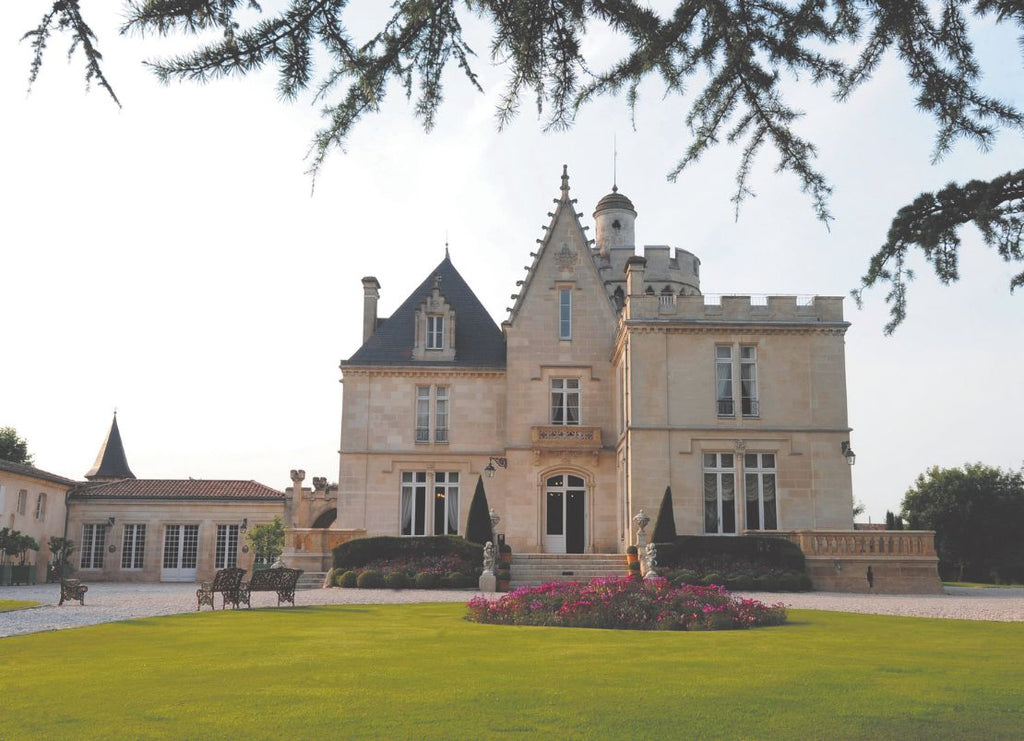
Magrez's first acquisition, in the 1980s, was Château Pape Clément, a Graves Grand Cru Classé that had belonged to his father-in-law. It was followed by Château Fombrauge in Saint-Émilion, then Château La Tour Carnet, a 1855-classified Haut-Médoc estate. In 2012, he completed something no one else in Bordeaux has done: he acquired Clos Haut-Peyraguey, a Premier Grand Cru Classé in Sauternes, becoming the sole owner of four classified Grand Cru estates spanning four different Bordeaux appellations at once. The French press, with characteristic flair, started calling him "the man with forty châteaux."
From there, the portfolio kept growing — beyond Bordeaux into Languedoc, the Pyrenean foothills of Madiran, Tuscany, Chile, Argentina, and beyond, eventually reaching more than forty estates across nine countries.
What Actually Connects Forty-Two Vineyards
It would be easy for a portfolio this size to become anonymous — bottles with a famous name attached but no real consistency behind them. Magrez's approach has been to push the same standards downward through every estate, however far from Bordeaux it sits: sensor-equipped drones monitoring vine health plot by plot, daily weather-station tracking, and since 2016, an authentication seal on every bottle from his Grand Cru properties to guarantee traceability back to the source.
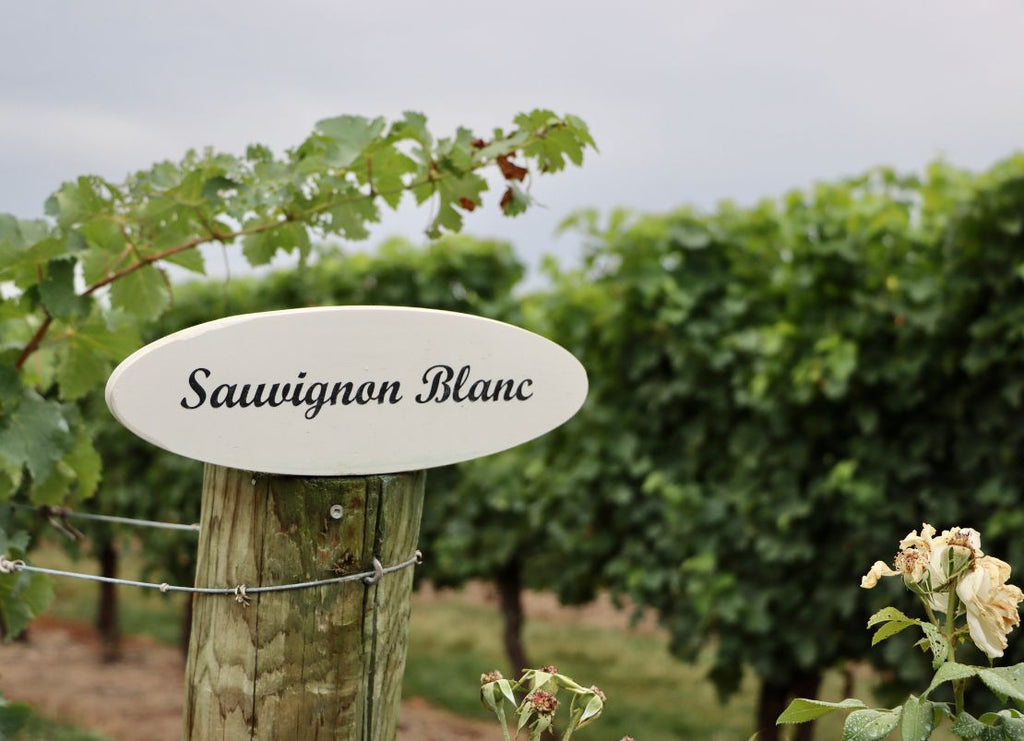
That same attention shows up at the regional level too. Our own bottles trace a real map of his holdings: a 100% Sauvignon Blanc from Bordeaux itself; Cabernet Sauvignon and Merlot from the Languedoc's Pays d'Oc; a Grenache-Carignan-Syrah blend from the Terrasses du Larzac; a 95% Tannat from Madiran, one of southwest France's most powerful and least internationally known appellations; two Tuscan reds built on Sangiovese; a 100% Carménère from Chile's Central Valley; and a 100% Malbec from Mendoza, Argentina.
Why a Diversified Producer Is Worth Trusting
A single, fixed point of view — what Burgundy's small growers represent, for instance — is one legitimate way to make wine. Magrez represents the opposite philosophy: that rigorous, consistent winemaking practice, applied across wildly different terroirs and grape varieties, can produce real quality at every price point and every origin, not just at the flagship estates that get all the attention.
For a buyer, that consistency is useful in a very practical way. If you've tried one Bernard Magrez wine and liked the precision of it, the others in his range are a reasonably safe bet to share that same standard, even when the grape, the country, and the price point are completely different.
Frequently Asked Questions
What four Grand Cru Classé estates does Bernard Magrez own? Château Pape Clément (Graves), Château La Tour Carnet (Haut-Médoc), Château Fombrauge (Saint-Émilion), and Clos Haut-Peyraguey (Sauternes) — he is the only person to own four at once.
How many wine estates does Bernard Magrez own in total? More than forty, across nine countries including France, Italy, Spain, Chile, and Argentina.
Is Bernard Magrez wine good quality at every price point? The estates apply consistent technical standards — including drone monitoring and an authentication seal system — across both the flagship Grand Cru properties and the broader international portfolio.
Discover the full Bernard Magrez range →
You might also like: [BM 58 White] · [Premiere Madiran 2019] · [Mon Plaisir 2018]
Related post
06
Oct
01
Oct