
The Christmas Aperitif: What to Serve When You’re Not Drinking Alcohol
Christmas dinner gets most of the attention, but some of the best moments happen before anyone sits down.
Coats are still being taken off. Something is finishing in the oven. Cheese, olives and small plates begin appearing, people gather in the kitchen, and the first bottle is opened while everyone is still standing rather than sitting around the table.
This is the Christmas aperitif, and it presents an interesting question when alcohol is removed. What do you pour when water feels too ordinary, soda is too sweet and a complicated mocktail requires someone to spend the beginning of Christmas behind the bar?
Wine has traditionally solved this problem remarkably well. A bottle can be chilled in advance, opened when the first guest arrives and shared immediately. Alcohol-free wine allows that ritual to remain, but choosing the right style matters.
The Christmas aperitif needs freshness rather than power. It should wake up the palate rather than exhaust it before dinner. That makes sparkling wine, crisp whites and dry rosé much more interesting than simply searching for the most elaborate non-alcoholic Christmas drink.
What exactly is an aperitif?
An aperitif is more than a drink served before dinner. Its role is to begin the occasion and prepare the palate for the food that follows.
Traditionally, that often means freshness, acidity, bubbles, bitterness or a relatively dry profile rather than something heavy and intensely sweet. The purpose is not to make guests feel full before Christmas dinner has even begun.
That principle becomes particularly useful when choosing an alcohol-free aperitif. Without ethanol providing warmth and body, the drink needs other forms of structure. Acidity can provide freshness, carbonation creates physical sensation on the palate, and aromatic grape varieties can give the glass enough personality to remain interesting.
This is one reason wine works so well in this position. We are not simply looking for a drink without alcohol. We are looking for something that performs a specific job at the table.
Why sparkling wine is such a natural place to start
Few drinks announce the beginning of a celebration as naturally as sparkling wine. There is the bottle, the sound of opening it, the first bubbles rising through the glass and the simple ritual of pouring for everyone as they arrive.
None of that depends on alcohol.
There is also a sensory reason sparkling wine works particularly well in the alcohol-free category. Ethanol contributes body and warmth to conventional wine, and removing it changes the texture of the finished drink. Carbon dioxide cannot literally replace alcohol, but bubbles introduce their own tactile sensation while acidity contributes freshness and tension.
This can make alcohol-free sparkling wine feel particularly complete as an aperitif. It doesn't need a large meal to give it context, yet it is structured enough to accompany the small savoury dishes that usually appear before Christmas dinner.
The current Dis&Dis collection gives us sparkling wines from France, Spain and Italy, using grapes including Chardonnay, Sauvignon Blanc, Colombard, Grenache, Glera and traditional Spanish sparkling varieties.
That diversity matters. “Alcohol-free sparkling wine” is not one flavour.
Villa Conchi: a Spanish beginning to Christmas
For a Spanish direction, Villa Conchi 0,0 Sparkling Wine is particularly interesting. The current Dis&Dis specification lists a blend of Xarel·lo, Macabeo, Parellada and Chardonnay, with an alcohol declaration of 0% and a recommended serving temperature of 8–10°C.
Those grape varieties immediately give us a more interesting story than simply saying “non-alcoholic bubbles”. Xarel·lo, Macabeo and Parellada have deep connections with Spanish sparkling-wine culture, while Chardonnay brings an internationally familiar variety into the blend.
The current wine profile describes green apple, citrus and tropical notes and recommends the wine with appetisers, fish and seafood. Those are precisely the kinds of flavours and dishes that make sense before a substantial Christmas dinner.
Serve it chilled as guests arrive, perhaps with olives, salted almonds or seafood canapés. The idea is not to overwhelm anyone before dinner. It is to make the first glass feel unmistakably festive.
Chardonnay gives sparkling wine another personality
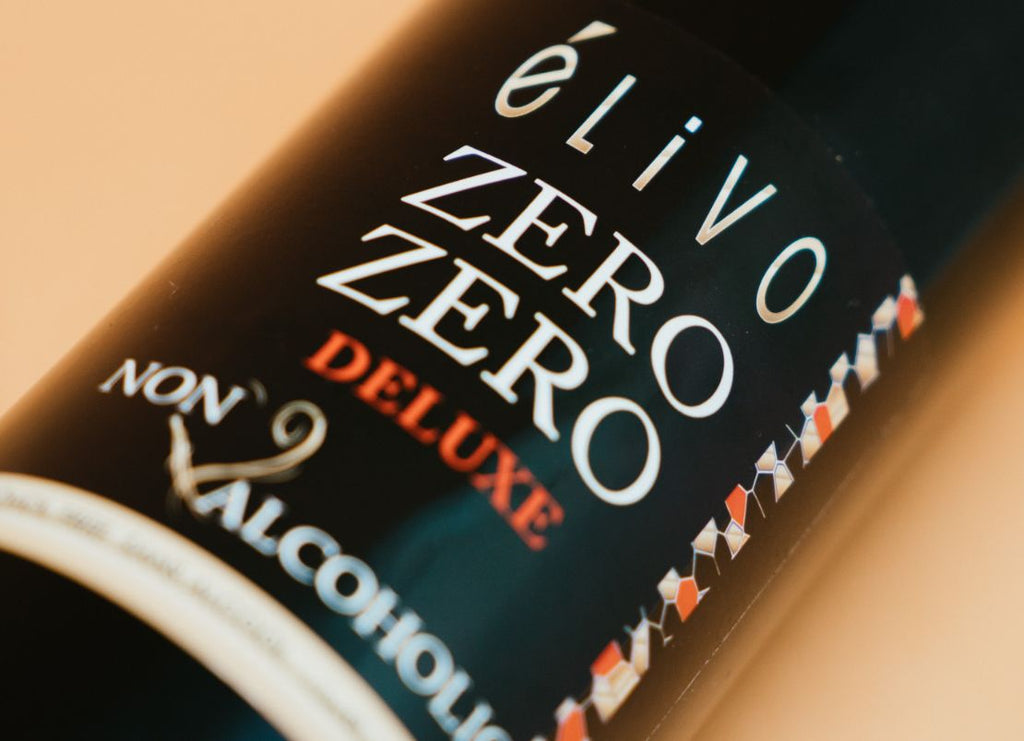
If you want to stay with Spain but move towards a single familiar grape, Elivo Zero Zero Deluxe Sparkling is made from Chardonnay and currently carries a 0% alcohol declaration.
Chardonnay is fascinating because it can express itself in so many different ways depending on climate and winemaking. It is also one of the world's important sparkling-wine grapes, which makes its presence in alcohol-free sparkling wine feel entirely natural rather than invented for the category.
At the Christmas aperitif, Chardonnay-based sparkling wine can work particularly well when the food has a little more richness. Pastry bites, mild cheeses and creamy canapés need freshness, but they can also accommodate more texture than a bowl of simple salted nuts.
This is where thinking about the grape rather than simply the absence of alcohol makes the category much more interesting.
Colombard deserves more attention
Some of the best discoveries in alcohol-free wine come from grapes that consumers may not immediately recognise.
Moderato Cuvée Original Le Pétillant is French, made from Colombard, and currently listed at 0%. The Dis&Dis collection identifies the fruit as coming from Gascony.
Colombard has historically been important in southwestern France and is known for its ability to retain freshness. That makes it an intriguing starting point for an alcohol-free sparkling wine, where acidity becomes especially valuable after ethanol has been removed.
For Christmas, this is exactly the kind of bottle we enjoy introducing. It gives the person drinking alcohol-free wine something to discuss beyond the fact that their glass contains no alcohol.
What grape is it?
Where does it come from?
Why does it work before dinner?
Those are wine questions. And alcohol-free wine becomes far more interesting once we start asking them.
Sauvignon Blanc can move from still wine into bubbles
Sauvignon Blanc is normally associated with still white wine, but the Dis&Dis range also includes a sparkling expression: Nooh Blanc Sparkling, from Château La Coste in Provence. The current collection lists it as 100% Sauvignon Blanc at 0%.
This gives us another useful way to understand sparkling wine. Sauvignon Blanc brings a different aromatic identity from Chardonnay or Colombard, so choosing between these bottles isn't simply a question of which label looks most festive.
For an aperitif involving fresh vegetables, goat's cheese, herbs or lighter seafood bites, Sauvignon Blanc is particularly interesting because freshness is already central to the grape's identity.
This also illustrates why the alcohol-free category is becoming more sophisticated. The question is no longer simply whether somebody wants bubbles. We can start asking what kind of bubbles they want.
Glera without automatically calling it Prosecco
Italy gives us another important aperitif grape: Glera.
The current Dis&Dis collection includes Zero Vegan Alcohol Free Sparkling Wine, made from Glera in Veneto and carrying a 0% alcohol declaration.
Glera is the principal grape associated with Prosecco, but that does not mean every sparkling wine made from Glera should automatically be called Prosecco. Protected wine names depend on more than grape variety alone.
That distinction is useful because alcohol-free wine deserves its own identity. A Glera-based sparkling wine can offer a familiar Italian reference point without pretending to be something it is not.
For a Christmas aperitif, the important thing is what the grape and wine bring to the glass: freshness, bubbles and a style designed to be served chilled and shared.
And sparkling rosé should not be forgotten
Christmas does not require every bottle to be white, gold or red. Sparkling rosé can be one of the most useful aperitif styles because it combines the freshness of sparkling wine with the fruit and subtle structural characteristics associated with rosé.
Baron de Chanteclerc Alcohol Free Sparkling Rosé is French, made from Grenache, and currently listed at 0%. Zero Blush Vegan Alcohol-Free Sparkling Rosé takes another route, using Glera from Veneto and also carrying a 0% declaration.
Those are two pink sparkling wines built from completely different grape traditions. Their shared colour does not make them the same wine.
This is another reason the Christmas aperitif is a useful moment for discovery. Guests can compare styles without committing to an entire dinner pairing, and the host can offer a choice between white and rosé bubbles just as naturally as offering red and white wine later at the table.
Does the Christmas aperitif have to sparkle?
Not at all.
Sparkling wine is convenient because bubbles immediately provide freshness and a sense of occasion, but a crisp still white can be an excellent aperitif too. In fact, a still wine may be preferable when the food is delicate or when guests simply do not enjoy sparkling drinks.
The current Dis&Dis white collection includes varieties such as Melon de Bourgogne, Albariño, Airén, Verdejo, Chardonnay, Riesling, Sauvignon Blanc and Sémillon. That gives the alcohol-free host considerably more choice than the category sometimes receives credit for.
For a Christmas aperitif, I would generally look towards freshness rather than weight. The wine should make the next bite appealing rather than leaving the palate tired before dinner.
That makes acidity one of the most useful characteristics to look for.
A Spanish white can be a wonderful alternative to bubbles
For something different, Cardio Zero Alcohol Free White Wine combines Verdejo and Airén and carries a 0% declaration. The current Dis&Dis listing describes green apple, fennel and mineral characteristics.
That makes it an interesting option for an aperitif based around olives, almonds, vegetables and lighter savoury dishes. Verdejo brings a distinctly Spanish reference point, while Airén gives us another important Spanish variety that is still much less familiar internationally.
Alternatively, Elivo Zero-Zero Deluxe White combines Albariño and Airén at 0%, taking the Spanish aperitif in a different direction again.
The point is not to decide which one is universally better. It is to show that alcohol-free hosting can involve exactly the same kind of curiosity we bring to conventional wine.
What food should you serve with a Christmas aperitif?
The best aperitif food should create appetite rather than replace dinner. Small portions, salt, acidity and savoury flavours usually work better than an enormous pre-dinner buffet.
Olives and salted nuts are almost effortless and work particularly well with fresh sparkling wines. Salt encourages another sip, while carbonation refreshes the palate between bites.
Seafood is another natural direction. Oysters, prawns, smoked salmon and small fish-based canapés can work beautifully with sparkling wine or fresh still whites, particularly when acidity is prominent.
Cheese can work too, but choose portions carefully. Fresh goat's cheese, mild creamy cheeses and small cheese pastries can be excellent before dinner, while an enormous board of mature cheese may be better saved until later.
Vegetable canapés, mushrooms, savoury pastries and crostini also give you enormous freedom. The aperitif does not need to be elaborate. It simply needs enough flavour to make the first glass more interesting.
Why very sweet drinks can be difficult before Christmas dinner
Christmas already contains plenty of sweetness. There are chocolates on tables, sweet glazes in the kitchen, desserts waiting for later and perhaps cranberry or fruit-based flavours appearing throughout the meal.
Starting with a very sweet drink can tire the palate before dinner begins.
That doesn't mean an aperitif must contain absolutely no residual sugar. Sweetness is perceived in relation to acidity, carbonation, temperature and the food alongside it. A wine with sufficient acidity may remain balanced even when some residual sugar is present.
But the overall direction should generally be towards freshness.
This is particularly important in alcohol-free wine because sweetness is sometimes used to compensate for body lost during dealcoholization. The result can work when balanced properly, but simply adding more sweetness is not the same thing as creating structure.
Our guide to dry non-alcoholic wine explores this relationship between sugar, fruit and acidity in much greater detail.
Fruitiness is not the same thing as sweetness
A sparkling wine can smell of apple, peach, citrus or berries without being sweet. Those words describe aromas and flavour associations; they do not tell us the amount of sugar perceived on the palate.
This distinction matters when choosing an aperitif because consumers often reject a wine described as “fruity” when what they actually want to avoid is sweetness.
Acidity is part of the answer. A wine with bright acidity can taste fresh and energetic even when its aromas are strongly fruit-driven. Carbonation can reinforce that impression in sparkling wine.
So don't choose your Christmas aperitif simply by avoiding fruit descriptions. Look at the complete style of the wine.
Alcohol-free wine or Christmas mocktails?
There is room for both.
A well-made Christmas mocktail can be wonderful. Apple, cranberry, citrus, rosemary, ginger and winter spices give a host enormous room for creativity, and a beautifully garnished drink can immediately create a festive atmosphere.
But mocktails and wine do not perform exactly the same job.
Many mocktails are built around fruit juice, syrup or other sweet ingredients. That can make them enjoyable on their own but more difficult with savoury food. A wine built around acidity, grape character and fermentation can behave differently once cheese, seafood or salty appetisers arrive.
There is also a practical advantage.
A bottle of alcohol-free sparkling wine can be chilled before guests arrive and opened in seconds. A complicated mocktail may require measuring, shaking, garnishing and cleaning while dinner is simultaneously demanding attention in the kitchen.
For a large Christmas gathering, simplicity has value.
You can absolutely prepare a beautiful seasonal mocktail. But you don't need to become the bartender for the entire evening simply because some guests aren't drinking alcohol.
The best alcohol-free aperitif shouldn't need an explanation
There is a subtle difference between offering somebody a drink and making them feel accommodated.
If every conventional bottle is placed in an ice bucket while the alcohol-free option remains in the kitchen, the message is obvious. If everyone receives a wine glass while one guest receives a tumbler of juice, the distinction becomes part of the evening.
There is a better way.
Chill the alcohol-free wine. Put it on the table. Use proper glassware. Tell guests it is Chardonnay, Glera, Sauvignon Blanc, Colombard or Grenache if they ask.
Allow the wine to be interesting for what it is, not merely for what has been removed.
This becomes particularly important at Christmas because hospitality is supposed to make people feel included. A guest shouldn't have to explain why they aren't drinking before receiving something worth drinking.
What if some guests are drinking alcohol?
Then serve both.
An alcohol-free Christmas does not need to become a rule for the entire table simply because one or several guests aren't drinking. Likewise, people choosing alcohol-free wine shouldn't receive a less considered experience because others are drinking conventional wine.
Put both bottles in appropriate places. Use the same quality of glasses. Serve each at the correct temperature.
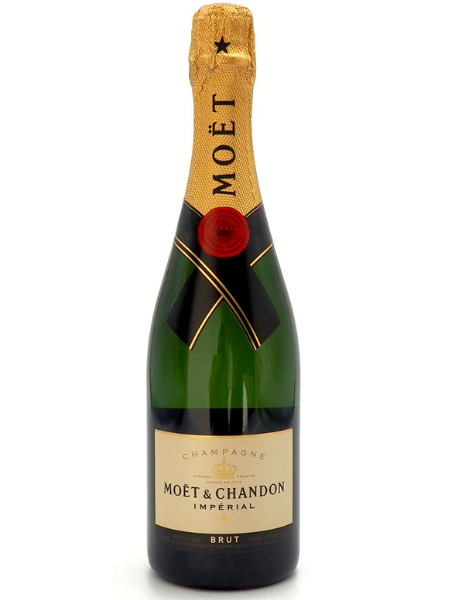
And there is no need to create exact mirror images. If the conventional aperitif is Champagne, the alcohol-free drink does not have to imitate Champagne. It might be Spanish sparkling made from Xarel·lo, Macabeo, Parellada and Chardonnay, French Colombard, Italian Glera or Sauvignon Blanc from Provence.
Choice is more interesting than imitation.
Don't call every sparkling wine Champagne
This is worth mentioning because Christmas advertising is full of loose terminology.
Champagne is a protected wine designation connected to a specific place and production requirements in France. Sparkling wine produced elsewhere should not simply be called Champagne because it has bubbles.
The same principle applies to other protected names.
For alcohol-free consumers, this distinction is actually helpful. Rather than constantly defining bottles by the famous conventional wines they supposedly replace, we can talk about what they genuinely are: French sparkling Chardonnay, Spanish sparkling blends, Italian Glera, sparkling Grenache or Colombard from Gascony.
Alcohol-free wine does not need borrowed prestige if the wine itself has a story worth telling.
How cold should your Christmas aperitif be?
Sparkling wine should generally be served properly chilled. Individual producer recommendations should take priority, particularly when they are available.
Villa Conchi, for example, currently gives an optimal serving temperature of 8–10°C. That is a useful illustration of why simply saying “serve cold” is not always enough.
Temperature changes how we perceive aroma, sweetness and acidity. Serve a wine too warm and it may feel broad or overly sweet. Serve it extremely cold and some of its aromatic character can disappear.
The easiest Christmas-hosting strategy is to chill the bottles in advance and bring them out shortly before serving. If several bottles are being opened over a long aperitif, an ice bucket or wine cooler makes life considerably easier.
What glass should you use?
You do not need special alcohol-free glasses.
Sparkling wine can be served in flutes, tulip-shaped sparkling glasses or appropriate wine glasses depending on the style and your preference. A wider bowl can allow more aromatic expression, while a narrower glass emphasises the visual effect of the bubbles.
Still white and rosé wines can simply be served in normal wine glasses.
The important thing is to give the alcohol-free wine the same attention as the other wine on the table. Proper glassware isn't about pretending the drink contains alcohol. It is about allowing aroma, temperature and texture to be experienced properly.
At Christmas, the ritual matters too.
How much should you buy?
A standard 750 ml bottle generally provides around five to six moderate wine servings, depending on pour size.
For an aperitif, pours can be relatively modest because dinner and additional drinks will follow. If six guests are drinking alcohol-free wine, one bottle may technically provide one glass each, but having a second bottle gives considerably more flexibility.
For a larger Christmas gathering, offering two different styles can be more interesting than simply buying several bottles of the same wine. One white sparkling and one sparkling rosé, for example, allows guests to compare and choose.
If the aperitif is likely to last for several hours, plan accordingly. Nobody wants to discover that the alcohol-free wine has disappeared while the conventional wine is still flowing.
0%, 0.0% and <0.5% still matter
Not every product within the wider alcohol-free category carries exactly the same declaration.
The current Dis&Dis assortment contains wines marked 0%, 0.0% and <0.5%, depending on the individual bottle. Those descriptions should not be silently converted into one another.
For some guests, the distinction may not influence their choice. For others, it may be important.
The host doesn't need to ask why. Simply know what you are serving and leave the bottle visible so people can make their own decision.
The percentage also tells us nothing about which wine is “better”. It is information about alcohol content, not a quality rating.
From aperitif to Christmas dinner
Eventually everyone sits down, and the role of the wine changes.
A sparkling wine that began with olives and nuts may continue perfectly well through a seafood starter. A Chardonnay-based sparkling might move towards richer appetisers, while Sauvignon Blanc or another fresh white can accompany fish and vegetables.
Once roast meat, gravy, mushrooms and richer side dishes arrive, you may decide to move towards red wine. That is where Merlot, Pinot Noir, Syrah, Cabernet Sauvignon and Tempranillo can begin another part of the Christmas story.
But there is no requirement to change simply because dinner has started.
If everyone is enjoying the sparkling wine, keep pouring it.
Wine pairing is supposed to make Christmas more enjoyable, not create another set of rules everyone has to remember.
Frequently asked questions about a non-alcoholic Christmas aperitif
What is a good non-alcoholic aperitif for Christmas?
Alcohol-free sparkling wine is one of the easiest choices because carbonation and acidity create freshness before dinner. Crisp still white wine and dry rosé can also work particularly well with Christmas appetisers.
What alcohol-free sparkling wine can I serve at Christmas?
The Dis&Dis collection includes sparkling wines based on Chardonnay, Sauvignon Blanc, Colombard, Grenache, Glera and Spanish blends including Xarel·lo, Macabeo and Parellada. Choosing by grape and style is more useful than treating all alcohol-free sparkling wines as identical.
What should I serve with an alcohol-free Christmas aperitif?
Olives, salted nuts, seafood, smoked salmon, mild cheeses, vegetable canapés and small savoury pastries are useful options. Keep portions relatively small so the aperitif stimulates appetite rather than replacing Christmas dinner.
Can I serve rosé at Christmas?
Absolutely. Still and sparkling rosé can provide freshness and fruit while working with a broad range of appetisers. Rosé is a wine style, not a season.
Are mocktails better than non-alcoholic wine?
They serve different purposes. Mocktails can be creative and festive, while alcohol-free wine offers wine-like acidity, grape character and a format particularly suited to serving alongside food. There is no reason a Christmas gathering cannot offer both.
Is non-alcoholic sparkling wine the same as sparkling grape juice?
Not necessarily. Some alcohol-free sparkling wines begin as fermented wine and are subsequently dealcoholized, while other non-alcoholic sparkling beverages may be produced differently. Check the individual product rather than assuming all sparkling alcohol-free drinks are made in the same way.
Is every alcohol-free sparkling wine 0.0%?
No. Individual bottles may carry declarations including 0%, 0.0% or <0.5%. Always check the specific product if the precise alcohol declaration matters.
How cold should alcohol-free sparkling wine be?
Follow the individual producer's recommendation where available. As one current example, Villa Conchi recommends 8–10°C.
Can alcohol-free sparkling wine continue into Christmas dinner?
Yes. Sparkling wine can be particularly versatile with seafood, starters, poultry and many vegetable dishes. There is no rule requiring you to stop serving it once everyone sits down.
Christmas begins with the first glass
The Christmas aperitif is a small part of the day, but it says something important about how we host.
It is the moment before the formal meal begins, when everyone is arriving, talking, tasting and settling into the occasion. The drink in someone's hand should contribute to that feeling rather than remind them that they chose not to consume alcohol.
That does not require an elaborate imitation of a cocktail or a bottle trying desperately to pretend it is Champagne.
It might be Chardonnay from Spain. Colombard from Gascony. Sauvignon Blanc from Provence. Glera from Veneto. Grenache in a glass of sparkling rosé. Or Xarel·lo, Macabeo and Parellada introducing somebody to grapes they had never previously considered.
Those are not compromises.
They are choices.
This Christmas, chill the bottle, bring out the proper glasses, put something salty on the table and open the wine when the first guest arrives.
The aperitif can take care of the rest.
At Dis&Dis, that's exactly the kind of discovery we think Christmas should contain.