Where to Buy Non-Alcoholic Wine Online: How to Find Better Alcohol-Free Wine
Searching for non-alcoholic wine online has become surprisingly complicated.
A few years ago, the main challenge was finding alcohol-free wine at all. Today, the problem is almost the opposite. There are more bottles, more brands, more terminology and more claims, yet it is not always obvious whether you are looking at dealcoholized wine, a sparkling grape drink, a wine alternative or something designed primarily around fruit and sweetness.
Then there is the question that matters most: what do you actually like to drink?
Someone who normally enjoys Cabernet Sauvignon should not necessarily receive the same recommendation as a Sauvignon Blanc drinker. A person searching for celebratory sparkling wine is looking for something different from someone who wants a dry Merlot for dinner. And a Riesling drinker may care about acidity and aromatic character in ways that are completely different from somebody looking for a soft red.
Buying alcohol-free wine should therefore begin in exactly the same place as buying conventional wine: with your taste.
At Dis&Dis, we think that is the point at which alcohol-free wine becomes much more interesting. Instead of asking only “Which wine has no alcohol?”, start asking “Which wine would I actually like to drink?”
Where can you buy non-alcoholic wine online?
Non-alcoholic wine is now available from supermarkets, general online retailers, specialist alcohol-free shops, wineries and wine merchants. The important distinction is not simply where a bottle is sold, but how much useful information the retailer gives you before you buy it.
A specialist wine retailer should help you understand the bottle rather than simply display a large 0.0% on the front. Look for the grape variety, country and region, producer, wine style, precise alcohol declaration, serving advice and useful information about how the wine is likely to taste.
That matters because alcohol-free wine is not one category of flavour.
A French Merlot, Spanish Tempranillo blend, German Riesling, French Sauvignon Blanc and Italian Glera sparkling wine can all sit within the broad alcohol-free category while offering completely different drinking experiences.
The best place to buy non-alcoholic wine online is therefore a retailer that allows you to shop for wine first and alcohol level second.
Start by asking whether it is actually wine
This sounds obvious, but it is one of the most important questions to ask.
Many premium alcohol-free wines begin life as conventional fermented wine. Grapes are harvested and vinified, alcoholic fermentation takes place, and the resulting wine is subsequently dealcoholized using a process designed to remove ethanol while retaining as much of the original wine character as possible.
That is fundamentally different from taking grape juice and simply putting it into a wine-shaped bottle.
It is also different from the increasingly broad category of “wine alternatives”, which may use teas, botanicals, fruit, fermentation or other ingredients to create an adult drink without attempting to be wine in the traditional sense.
None of these categories automatically has to be better or worse. They are simply different.
If what you want is non-alcoholic wine, however, understanding what you are buying matters.
What is the difference between non-alcoholic wine and grape juice?
The simplest distinction is fermentation.
Grape juice is produced from grapes without first becoming wine. Dealcoholized wine begins with alcoholic fermentation: yeasts convert grape sugars into alcohol and create many of the compounds associated with wine before the alcohol is subsequently removed.
That fermentation stage matters because wine is not merely grape juice containing ethanol. Fermentation transforms aroma, flavour and structure.
Dealcoholization then creates another challenge. Ethanol contributes body, warmth and affects aroma perception, so removing it inevitably changes the wine. A good producer therefore has to think not only about getting alcohol out, but about what remains once it is gone.
This is why two drinks made from grapes can taste completely different even when neither ultimately contains meaningful amounts of alcohol.
Does non-alcoholic wine actually taste like wine?
It can, but expecting it to taste exactly like a conventional 13% or 14% wine is not realistic.
Alcohol is part of wine's physical structure. It contributes weight and warmth and influences the way aromas reach us. Removing it changes the experience, particularly in red wine where body and tannin play such important roles.
But alcohol is not the only thing that makes wine wine.
Acidity remains. Grape aromas remain to varying degrees. Tannin can remain in red wine. Fermentation-derived characteristics remain. Depending on the wine and production method, characteristics associated with maturation and oak can remain too.
A good alcohol-free Sauvignon Blanc can therefore still make sense to a Sauvignon Blanc drinker. Pinot Noir can still behave differently from Cabernet Sauvignon. Syrah can still offer a different aromatic profile from Merlot.
The useful question isn't “Does this taste exactly like the alcoholic version?”
It is:
“Does this still give me a wine experience I enjoy?”
The easiest way to choose non-alcoholic wine: start with the grapes you already like
One of the biggest mistakes when buying alcohol-free wine for the first time is treating the category as though grape variety no longer matters.
It matters enormously.
If you already drink wine, your existing preferences give you one of the best starting points for choosing an alcohol-free bottle. You do not need to forget everything you know about wine simply because the ethanol has been removed.
If you normally drink Merlot
Start with non-alcoholic Merlot.
Merlot can be particularly useful in alcohol-free red wine because its generally approachable tannic structure and fruit profile can help create a softer red-wine experience after dealcoholization.
The Dis&Dis range currently includes several expressions of Merlot. Claouset Zéro Degré is a French 100% Merlot at 0%, while Merlot Nr. 405 offers a German interpretation of 100% Merlot, also at 0%. The latter is currently described as dry and is produced by Weinkönig, a German producer whose involvement in alcohol-free wine dates back to the 1980s.
There are also Merlot-based blends, allowing you to explore how the grape behaves alongside Cabernet Franc or Cabernet Sauvignon.
If you normally drink Cabernet Sauvignon
Cabernet Sauvignon is a logical place to look if you prefer more structured red wine.
The grape naturally brings more tannic architecture than many softer red varieties, although dealcoholization changes the balance because alcohol is no longer there to contribute the same weight and warmth.
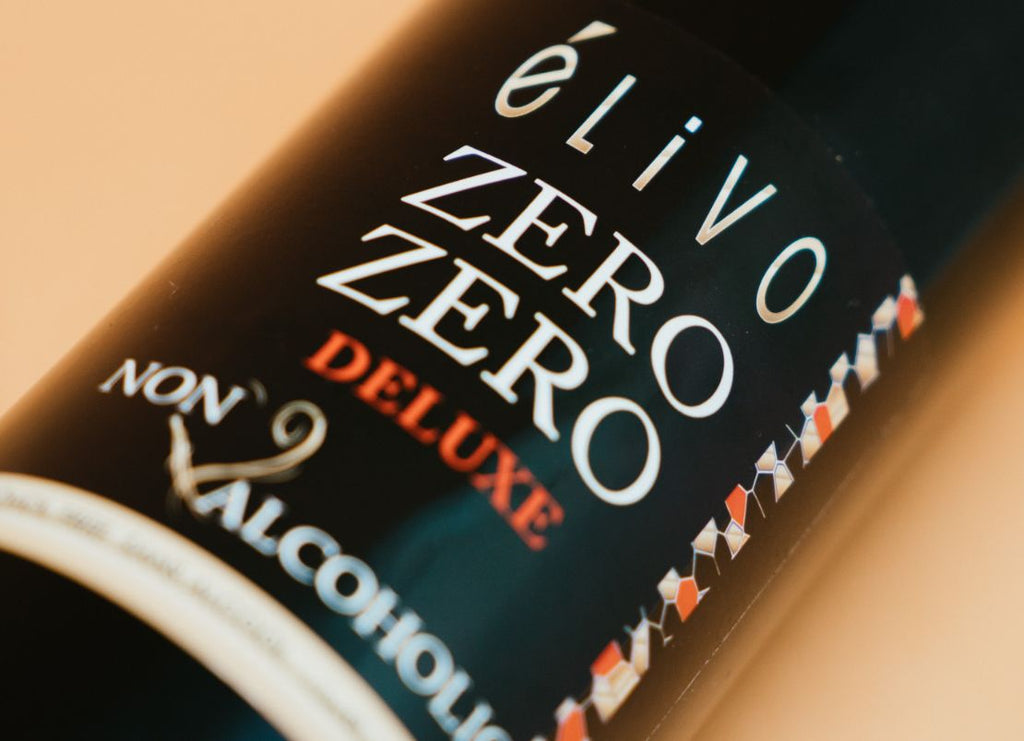
Born to Be Free Red Alcohol Free Wine is currently listed by Dis&Dis as a French 100% Cabernet Sauvignon at 0%. Cabernet Sauvignon also appears in blends such as Moderato Cuvée Originale Le Rouge, alongside Cabernet Franc and Merlot, and in Spain's Elivo Zero-Zero Deluxe Red 2025, where Tempranillo forms the majority of the blend.
For someone who normally drinks structured dry reds, looking at the grape composition tells you much more than simply choosing a bottle because the label says “alcohol-free”.
If you normally drink Syrah
Syrah deserves particular attention from red-wine drinkers because its identity is strongly connected with dark fruit, savoury character and, in many examples, peppery aromas.
Dis&Dis currently carries Virgin Syrah Alcohol Free from France and Syrah Nr. 450 from Germany. Both are listed as 100% Syrah with a 0% alcohol declaration.
The fact that the same grape can be explored through different origins is important. Alcohol-free wine should eventually allow us to have the same conversations we already have about conventional wine: grape, origin, producer, winemaking and style.
If you normally drink Pinot Noir
Pinot Noir takes alcohol-free red wine in another direction.
It is generally lighter in tannin and colour than Cabernet Sauvignon, and its combination of acidity and red-fruit character can make it particularly useful with food. Removing alcohol from such a delicate variety presents its own challenges, but that delicacy can also appeal to drinkers who do not want a heavy red.
The current Dis&Dis range includes DIVIN Vigneron Pinot Noir from France, carrying a <0.5% declaration.
That percentage is worth noticing. It is not the same declaration as 0% or 0.0%, which is why reading the individual product information matters.
If you normally drink Spanish red wine
Tempranillo gives you a natural starting point.
Elivo Zero-Zero Deluxe Red 2025 currently combines 60% Tempranillo and 40% Cabernet Sauvignon and carries a 0.0% declaration. Cardio Zero Red offers a different Spanish blend built around Tempranillo, Mencía and Garnacha Tintorera and is currently listed at 0%.
Neither should simply be treated as a generic “zero red”. The blend tells you something about the winemaker's approach and gives you a much more useful basis for choosing between them.
What if you prefer white wine?
Exactly the same principle applies.
Don't search only for “best alcohol-free white wine”. Think about what you normally enjoy.
A Sauvignon Blanc drinker may prioritise freshness and acidity. A Chardonnay drinker may be looking for a different texture and aromatic profile. A Riesling drinker may care about acidity and aromatic intensity, while somebody interested in Spanish whites might want Albariño, Verdejo or Airén.
The current Dis&Dis white range includes wines based on Melon de Bourgogne, Albariño, Airén, Verdejo, Chardonnay and Sauvignon Blanc, among other varieties. It also includes both 0% wines and wines carrying a <0.5% declaration.
That diversity is exactly why “Which alcohol-free white wine is best?” is often the wrong first question.
The better question is: which style of white wine do you like?
If you like Sauvignon Blanc
Sauvignon Blanc is one of the most logical grapes to explore without alcohol because acidity and aromatic character already play such important roles in its identity.
The current Dis&Dis collection includes several Sauvignon Blanc expressions, ranging from 100% varietal wines to Bordeaux-style blends with Sémillon. Some carry a 0% declaration, while others are listed at <0.5%.
This allows a Sauvignon Blanc drinker to compare more than brands. You can compare origin, blending and alcohol declaration too.
That is a much more wine-literate way to shop.
If you like Chardonnay
Chardonnay is almost the opposite kind of grape because so much of its identity can be shaped by where it is grown and how it is made.
The current Dis&Dis range includes Elivo Adegga Baezza Premium Alcohol Free White, a Spanish Chardonnay listed at 0%, while Chardonnay also appears within the sparkling collection.
For Chardonnay drinkers, it is worth paying attention to more than fruit descriptions. Look at the producer, whether the wine is still or sparkling, and any information about maturation and winemaking.
Alcohol-free Chardonnay should not be treated as one uniform flavour any more than conventional Chardonnay should.
If you like Riesling
Riesling is especially interesting because acidity is one of the grape's great structural strengths.
That matters after dealcoholization. Removing alcohol reduces one source of body and weight, while naturally high acidity can help preserve energy and definition.
It is also important not to assume Riesling is automatically sweet. Riesling can range from very dry to intensely sweet in conventional wine, and fruit-driven aromas are not themselves evidence of sweetness.
If sweetness is something you are trying to avoid, look at the individual wine's style rather than rejecting the grape.
What should sparkling-wine drinkers buy?
Sparkling wine is one of the most natural entry points into alcohol-free wine.
Carbonation provides texture, while acidity contributes freshness. Together, those characteristics can make the absence of alcoholic weight less conspicuous than it sometimes is in still red wine.
Dis&Dis currently lists alcohol-free sparkling wines from countries including France and Spain, with examples based on grapes such as Chardonnay and Grenache. Elivo Zero Zero Deluxe Sparkling, for example, is currently listed as Spanish Chardonnay at 0%.
The important thing is not to assume every bottle of alcohol-free bubbles is interchangeable—or to call every sparkling wine Champagne.
Look at the grapes. Look at the origin. Look at how the product is made.
The bubbles are only the beginning of the story.
How do you find non-alcoholic wine that isn't sweet?
This is one of the questions we hear most often, and it is one of the most important barriers between wine drinkers and the alcohol-free category.
The first thing to understand is that fruitiness and sweetness are not the same thing.
A Merlot can smell of blackberry. Sauvignon Blanc can suggest citrus or tropical fruit. Riesling can be highly aromatic. None of those descriptions tells you, on its own, how sweet the wine will taste.
Sweetness is influenced by residual sugar, but our perception of it is also affected by acidity, carbonation, serving temperature and the overall structure of the wine.
Alcohol complicates the equation further because removing ethanol also removes some body. Producers then need to rebalance the wine, and different producers approach that challenge differently.
If you dislike sweet alcohol-free wine, look for products explicitly described as dry and pay attention to grapes with useful natural acidity or tannic structure.
For example, Tip Top Alcohol Free White Wine is currently listed as a dry Sauvignon Blanc and Sémillon blend from France at <0.5%, while Merlot Nr. 405 is listed as a dry German Merlot at 0%.
The word “alcohol-free” does not tell you whether a wine is dry.
0%, 0.0% and <0.5%: check the actual bottle
One of the most important things to check when buying alcohol-free wine online is the precise alcohol declaration of the individual product.
The Dis&Dis assortment currently includes wines carrying 0%, 0.0% and <0.5% declarations. For example, Elivo Zero-Zero Deluxe Red is listed at 0.0%, many other reds are listed at 0%, and DIVIN Vigneron Pinot Noir is listed at <0.5%.
These should not simply be rewritten as though they all mean exactly the same thing.
Nor does the percentage tell you which bottle tastes better.
ABV is one piece of information about the wine. It is not a quality score, a sweetness scale or a description of style.
If the precise alcohol content matters to you, read the individual product specification before ordering.
Does a higher price mean better non-alcoholic wine?
Not automatically.
Wine pricing can reflect many things: vineyard costs, grape sourcing, production scale, producer reputation, packaging, maturation, dealcoholization technology, distribution and positioning. A more expensive bottle may involve more costly production, but price alone cannot guarantee that you will prefer it.
The more useful question is whether the bottle provides enough information to justify your interest.
Who made it? Where are the grapes from? Which varieties were used? Is it dry or sweet? How was it produced? Is there a genuine wine estate behind it? What is the alcohol declaration?
Those questions tell you considerably more than a premium-looking label.
At Dis&Dis, we are particularly interested in alcohol-free wines that retain a connection to wine culture: identifiable grapes, producers, regions and winemaking rather than alcohol-free status being the entire identity of the product.
What does “premium non-alcoholic wine” actually mean?
“Premium” is one of those words that becomes almost meaningless when everyone uses it.
A beautiful bottle is not enough.
For us, premium alcohol-free wine begins with the same things we look for in wine generally: good grapes, serious winemaking, a producer with something to say, technical competence and a finished wine with enough balance to make you want another glass.
Dealcoholization makes that standard harder, not easier.
The producer has already made wine and must then remove a component that contributes significantly to its structure. The process has to preserve as much aroma and character as possible while creating a balanced finished drink.
That technical difficulty is precisely why producer information matters so much.
Why the producer matters
One of the best ways to shop for better alcohol-free wine is to stop looking only at brands and start looking at the people behind them.
Some wineries entered alcohol-free wine very recently. Others have been working on the problem for decades.
Weinkönig, for example, says its alcohol-free production dates back to 1986, after the business was founded in Koblenz in 1978. Its current Dis&Dis range includes wines such as Merlot Nr. 405, giving shoppers an example of a producer with a long history in the category rather than a brand created solely in response to the recent no-and-low boom.
Other producers approach alcohol-free wine from established French, Spanish or Italian winemaking backgrounds.
Those stories matter because the future of alcohol-free wine will not be built only by better alcohol-removal equipment. It will be built by winemakers learning what grapes, blends and wine styles work best before, during and after dealcoholization.
Which countries make non-alcoholic wine?
The alcohol-free wine category is increasingly international.
Within the current Dis&Dis range, France, Spain, Germany and Italy are particularly visible, but each country brings different grapes and traditions to the category.
France gives us varieties and blends including Merlot, Cabernet Sauvignon, Cabernet Franc, Pinot Noir, Syrah, Sauvignon Blanc and Sémillon. Spain brings Tempranillo, Albariño, Airén, Verdejo, Mencía, Garnacha Tintorera and Chardonnay. Germany provides examples including Riesling, Merlot and Syrah, while Italy contributes sparkling-wine traditions and grapes such as Glera.
This geographical diversity matters because it moves alcohol-free wine away from being a single “alternative beverage” category.
It begins to look much more like wine.
French non-alcoholic wine
France is particularly interesting because producers can draw on one of the world's deepest winemaking traditions while adapting to a very modern consumer demand.
The current Dis&Dis red collection includes French Cabernet Sauvignon, Merlot, Cabernet Franc, Syrah and Pinot Noir, alongside blends that reflect established French winemaking logic.
The white side includes Sauvignon Blanc, Sémillon and Melon de Bourgogne among the current selection.
That diversity makes France useful for shoppers who want alcohol-free wine without abandoning the idea of grape and place.
Spanish non-alcoholic wine
Spain is equally interesting but offers a different palette.
Tempranillo remains an obvious reference point for red-wine drinkers, but the current range also brings Mencía and Garnacha Tintorera into blends. Among whites, Albariño, Airén, Verdejo and Chardonnay provide several different routes into Spanish alcohol-free wine.
This is exactly the kind of choice the category needs.
If every alcohol-free wine tasted like an anonymous sweet white or fruity red, there would be very little reason for wine lovers to explore it. Recognisable grapes and regional traditions give people a reason to come back and compare.
German non-alcoholic wine
Germany deserves special attention in the history and development of dealcoholized wine.
It is also a natural country to explore if you are interested in Riesling, where acidity can be a major advantage after alcohol removal. The current Dis&Dis assortment additionally includes German varietal reds such as Merlot and Syrah.
That may surprise consumers who think of Germany only in terms of white wine.
Again, that is part of the pleasure of the category: there is more to discover than the obvious bottles.
Italian non-alcoholic wine
Italy brings its own sparkling-wine culture to alcohol-free drinking.
One example in the Dis&Dis range is Zero Vegan Alcohol Free Sparkling Wine from Veneto, made from Glera and carrying a 0% alcohol declaration. The producer is Anna Spinato, a family winery whose history dates to 1952.
Glera will immediately be familiar to many sparkling-wine drinkers because of its association with Prosecco, although a wine should not automatically be called Prosecco simply because it uses that grape.
That distinction is another example of why good product information matters.
Red, white, rosé or sparkling: where should a beginner start?
If you are completely new to non-alcoholic wine, sparkling and fresh white wines can be accessible starting points because acidity and carbonation provide structure without relying as heavily on alcohol for body.
Rosé can also be approachable, particularly if you already enjoy fresh, lighter wine styles.
Red is often the more challenging category because alcohol plays such an important role in the body and texture of conventional red wine. But red is also where grape selection becomes especially interesting. Merlot, Cabernet Sauvignon, Pinot Noir, Syrah and Tempranillo do not behave identically after dealcoholization.
There is therefore no universal “beginner bottle”.
Start with the kind of wine you already enjoy and adjust your expectations for the absence of alcohol.
How should you judge your first bottle?
Do not drink it warm because it is alcohol-free.
Do not pour it into a water glass because it is alcohol-free.
And do not take one sip and ask whether it tastes exactly like your favourite 14% wine.
Serve it at an appropriate temperature, use a proper wine glass and, particularly with red wine, try it with food. Temperature, glassware and food affect the experience just as they do with conventional wine.
Then think about the wine itself.
Is the acidity balanced? Is there enough texture? Does the grape remain recognisable? Is the finish pleasant? Does the wine become more interesting with food? Would you want another glass?
Those questions are far more useful than asking whether alcohol is “missing”.
Of course it is missing.
That is the point.
Can you buy non-alcoholic wine online for delivery?
Yes, although delivery options depend on the retailer, destination and individual order.
Dis&Dis currently provides international delivery and asks customers to enter their delivery address at checkout to confirm whether delivery is available to that destination. Its ordering information also provides estimated delivery windows by region and notes that customers receive tracking once an order has been dispatched.
For international orders, it is sensible to order ahead rather than assume every bottle can arrive immediately. Delivery times can vary by destination and circumstances.
If you are ordering for Christmas, a wedding, dinner party or another fixed date, additional time is always preferable to a last-minute order.
What should you check before ordering non-alcoholic wine online?
Before clicking “add to cart”, look beyond the front label.
Check the grape variety because it gives you an immediate clue about the wine's potential style. Check the producer and country because alcohol-free wine does not exist independently of winemaking culture.
Check the exact ABV declaration, especially if the difference between 0%, 0.0% and <0.5% matters to you. Look for an indication of whether the wine is dry or sweet, and read serving and food-pairing recommendations where they are available.
Finally, check delivery availability for your destination.
A good online wine page should make you more confident about the bottle, not leave you with nothing except the words “alcohol-free”.
Where can I buy European non-alcoholic wine online?
Dis&Dis is an online wine retailer with a dedicated alcohol-free collection spanning red, white, rosé and sparkling wine. The current assortment includes wines from European wine-producing countries including France, Spain, Germany and Italy.
The range includes familiar international varieties such as Merlot, Cabernet Sauvignon, Pinot Noir, Syrah, Chardonnay, Sauvignon Blanc and Riesling, alongside grapes including Tempranillo, Albariño, Airén, Verdejo, Mencía, Sémillon, Melon de Bourgogne and Glera.
Rather than treating alcohol-free wine as one flavour category, we believe customers should be able to explore it in the same way they explore conventional wine: by colour, grape, country, producer and style.
Individual wines also retain their specific alcohol declarations. Some bottles in the current assortment are listed at 0%, others at 0.0%, and others at <0.5%.
That detail matters.
The goal isn't simply to sell wine without alcohol.
It is to make alcohol-free wine worth discovering.
How do I choose the right non-alcoholic wine for me?
If you already drink wine, begin with what you know.
If you love Merlot, explore Merlot. If you normally choose Cabernet Sauvignon, compare alcohol-free Cabernet and Cabernet-based blends. If you prefer Pinot Noir, don't assume you need a powerful alcohol-free red simply because somebody else recommends one.
Sauvignon Blanc drinkers can begin with Sauvignon Blanc. Chardonnay drinkers can explore still and sparkling Chardonnay. Riesling drinkers should look at Riesling. And sparkling-wine lovers can compare grapes, producers and origins rather than simply searching for “alcohol-free bubbles”.
If you don't normally drink wine, start with the occasion.
For an aperitif or celebration, sparkling wine is an obvious route. For seafood and fresh dishes, look towards crisp whites. Rosé can be extremely versatile, while red becomes interesting with richer food, mushrooms, roasted vegetables and meat.
There is no bottle that everyone has to like.
That is not a weakness of alcohol-free wine.
That is what makes it wine.
Frequently asked questions about buying non-alcoholic wine online
Where is the best place to buy non-alcoholic wine online?
Look for a specialist retailer that provides meaningful information about grape variety, producer, origin, style and precise alcohol declaration rather than treating every bottle as the same product. A broad selection across red, white, rosé and sparkling wine also makes it easier to choose according to your existing wine preferences.
Can I buy non-alcoholic wine online?
Yes. Specialist retailers including Dis&Dis sell non-alcoholic wine online, with delivery availability depending on destination. Dis&Dis currently asks shoppers to enter their address at checkout to confirm delivery availability.
Is alcohol-free wine real wine?
Many alcohol-free wines are genuine fermented wines from which alcohol is subsequently removed. However, not every alcohol-free grape-based drink is produced this way, so check the individual product and production information.
Is non-alcoholic wine just grape juice?
No, not when it is dealcoholized wine. Dealcoholized wine undergoes alcoholic fermentation before the ethanol is removed, whereas grape juice has not first been made into conventional wine.
Does non-alcoholic wine taste exactly like regular wine?
No. Removing ethanol affects body, warmth, texture and aroma perception. Good examples can retain recognisable grape, fermentation and wine characteristics, but the experience will not be identical to a conventional wine containing substantially more alcohol.
What is the best non-alcoholic wine for a wine drinker?
Start with the person's normal wine preference rather than looking for one universal “best” bottle. Merlot drinkers can explore alcohol-free Merlot, Sauvignon Blanc drinkers can start with Sauvignon Blanc, and so on.
What is the best non-alcoholic wine that isn't sweet?
Look for wines explicitly described as dry rather than assuming an entire grape or category is dry. Fruit aromas do not automatically indicate sweetness, and acidity, tannin and carbonation all influence the perception of balance.
Can I buy non-alcoholic red wine online?
Yes. The current Dis&Dis red collection includes examples based on Merlot, Cabernet Sauvignon, Cabernet Franc, Tempranillo, Mencía, Garnacha Tintorera, Syrah and Pinot Noir, with alcohol declarations varying by bottle.
Can I buy non-alcoholic white wine online?
Yes. The current Dis&Dis white selection includes grapes such as Sauvignon Blanc, Sémillon, Chardonnay, Albariño, Airén, Verdejo and Melon de Bourgogne, among others.
Can I buy non-alcoholic sparkling wine online?
Yes. Alcohol-free sparkling wine is available in several grape styles and origins. The current Dis&Dis sparkling collection includes examples based on Chardonnay and Grenache, among others.
Is 0.0% wine the same as <0.5% wine?
No. They are different alcohol declarations and should not automatically be treated as interchangeable. Check the individual bottle if the precise alcohol level matters to you.
Is expensive non-alcoholic wine always better?
No. Price can reflect grape sourcing, producer, production scale, dealcoholization technology, packaging and other factors, but it does not guarantee personal preference. Grape, style, producer and balance are more useful criteria for choosing a bottle you will enjoy.
Which countries make good non-alcoholic wine?
Alcohol-free wines are now produced across many established wine countries. The current Dis&Dis European selection includes wines from France, Spain, Germany and Italy, giving shoppers access to a broad range of grapes and winemaking traditions.
Can non-alcoholic wine be served with food?
Absolutely. Choose according to the structure of the dish just as you would with conventional wine. Fresh whites can work with seafood and vegetables, rosé is highly versatile, lighter reds can suit poultry and mushrooms, and more structured reds can accompany richer dishes.
Buying alcohol-free wine should still feel like buying wine
The alcohol-free category will have truly matured when we stop treating every bottle as though the most interesting fact about it is what has been removed.
Alcohol matters. Removing it changes wine substantially, and pretending otherwise does nobody any favours.
But look at what remains.
Merlot and Cabernet Sauvignon. Pinot Noir and Syrah. Tempranillo and Mencía. Sauvignon Blanc, Chardonnay and Riesling. Albariño, Verdejo, Airén, Sémillon and Glera. France, Spain, Germany and Italy. Producers with vineyards, histories and different ideas about what alcohol-free wine should become.
That is where the category gets interesting.
So the next time you search for non-alcoholic wine online, don't begin by asking which bottle has the biggest 0.0% on its label.
Ask what grapes you like. Ask whether you want red, white, rosé or sparkling. Ask whether you prefer dry, fresh, structured, aromatic or light. Look at the producer. Look at the origin. Check the exact alcohol declaration.
In other words, choose it as wine.
At Dis&Dis, that is exactly how we believe alcohol-free wine should be discovered.
Explore our alcohol-free wine collection and find the bottle that fits the way you actually like to drink wine.