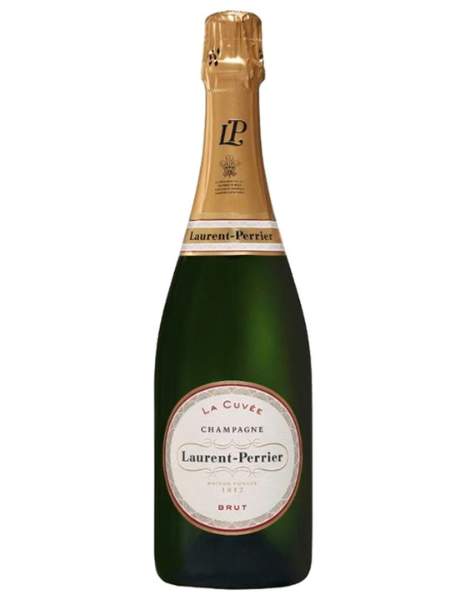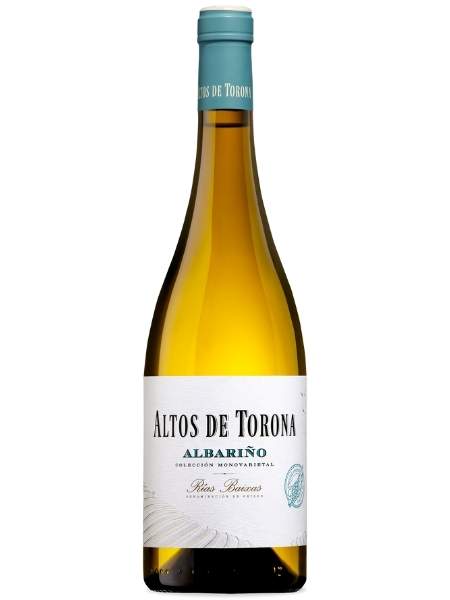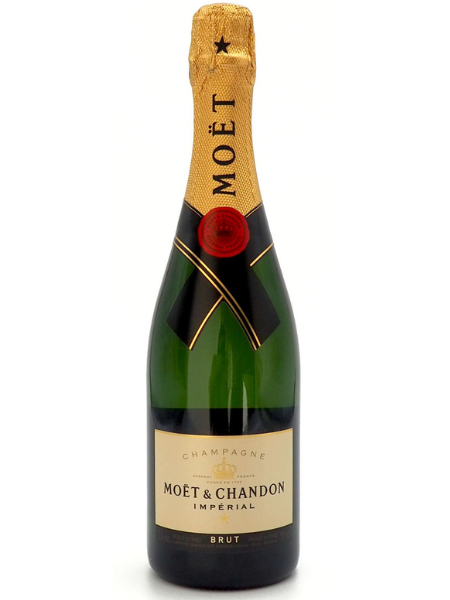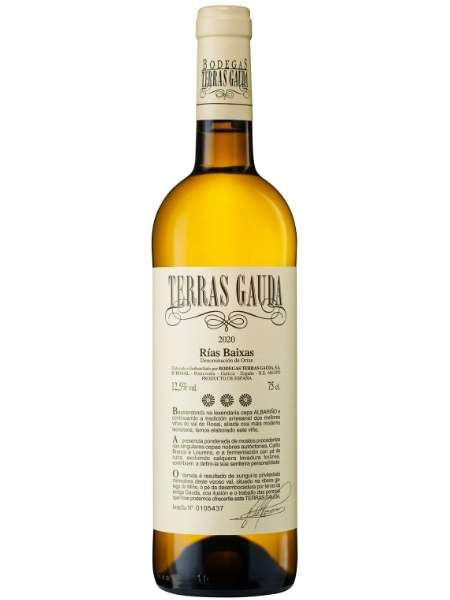

Alcohol-Free Wine vs Traditional Wine: A Complete Comparison
Is alcohol-free wine actually wine? And does it taste anything like the real thing? These are the two questions we hear most at Dis&Dis — a store that takes both categories equally seriously. Here's the honest answer.
At a Glance: Key Differences
| Feature | Traditional Wine | Alcohol-Free Wine |
|---|---|---|
| Alcohol content | 11–15% ABV | 0.0–0.5% ABV |
| Calories per glass (150ml) | 120–160 kcal | 20–60 kcal |
| Production process | Fermentation only | Fermentation + alcohol removal |
| Aging potential | Years to decades | Best consumed young (1–2 yrs) |
| Tannin structure | Full | Reduced (especially in reds) |
| Price range (quality bottles) | €8–€500+ | €8–€130 |
| Sulphite levels | Higher | Lower (often naturally) |
| Suitable during pregnancy | No | Consult your doctor (0.5% ABV versions: no) |
How Alcohol-Free Wine Is Made
Traditional wine becomes alcohol-free through one of three removal methods after fermentation:
1. Vacuum Distillation The wine is heated under reduced pressure, causing alcohol to evaporate at lower temperatures (~30°C instead of 78°C). This preserves more aroma compounds than traditional distillation. Most premium alcohol-free wines use this method.
2. Spinning Cone Column (SCC) A centrifuge separates the wine into components. Alcohol is removed from the volatile fraction, then recombined. Produces the most flavour-faithful results — used by the best producers.
3. Reverse Osmosis Wine is pushed through a membrane that separates water and alcohol from flavour compounds. Alcohol is then removed from that fraction before recombination. Common in larger-scale production.
What You Actually Lose (and Don't)
The honest trade-off:
-
Body and mouthfeel: Alcohol contributes viscosity. Most dealcoholised wines feel thinner, especially reds. Modern producers compensate with grape-forward winemaking, but the difference is real.
-
Aromatics: The spinning cone method preserves these well. Whites and rosés lose less than reds.
-
Structure (reds): Tannins remain, but without alcohol, the perception of astringency changes. Some find dealcoholised reds more astringent; some find them softer.
- What you keep: Polyphenols, antioxidants (resveratrol), terroir character in well-made wines, food pairing logic, the ritual of wine.
Who Chooses Alcohol-Free Wine, and Why
- Pregnant or breastfeeding (note: 0.0% ABV products only — "low alcohol" ≤0.5% still contains trace alcohol)
- Drivers and those on call
- Health-conscious drinkers reducing weekly units
- Sober-curious consumers exploring the category
- Religious observance (Islam permits some 0.0% wines — verify with your religious authority)
- Athletes and those on specific medication
The Bottom Line
Alcohol-free wine is not a replacement for traditional wine. It is a separate, evolving category with its own quality spectrum. The best examples — made with high-quality fruit and the spinning cone method — are genuinely pleasurable. The worst are grape juice with pretensions.
At Dis&Dis, we apply the same selection criteria to both categories. We don't list an alcohol-free wine unless we'd recommend it on its own merits.
Related post
06
Oct
01
Oct