
What Is Chablis? Burgundy's Coldest, Most Misunderstood White
Somewhere along the way, Chablis became a synonym for cheap white wine. In markets across the English-speaking world through the 1970s and 1980s, the name was borrowed and diluted until it meant almost nothing — a generic label applied to any pale, sharp white regardless of where it came from or how it was made.
The real Chablis has nothing to do with any of that. It comes from a single appellation in northern Burgundy, made exclusively from Chardonnay, shaped by one of the most distinctive soils in French winemaking, and capable of producing a white wine so different from every other expression of the same grape that tasting it for the first time can genuinely feel like meeting a variety you've never encountered before.
The Coldest Vineyard in Burgundy
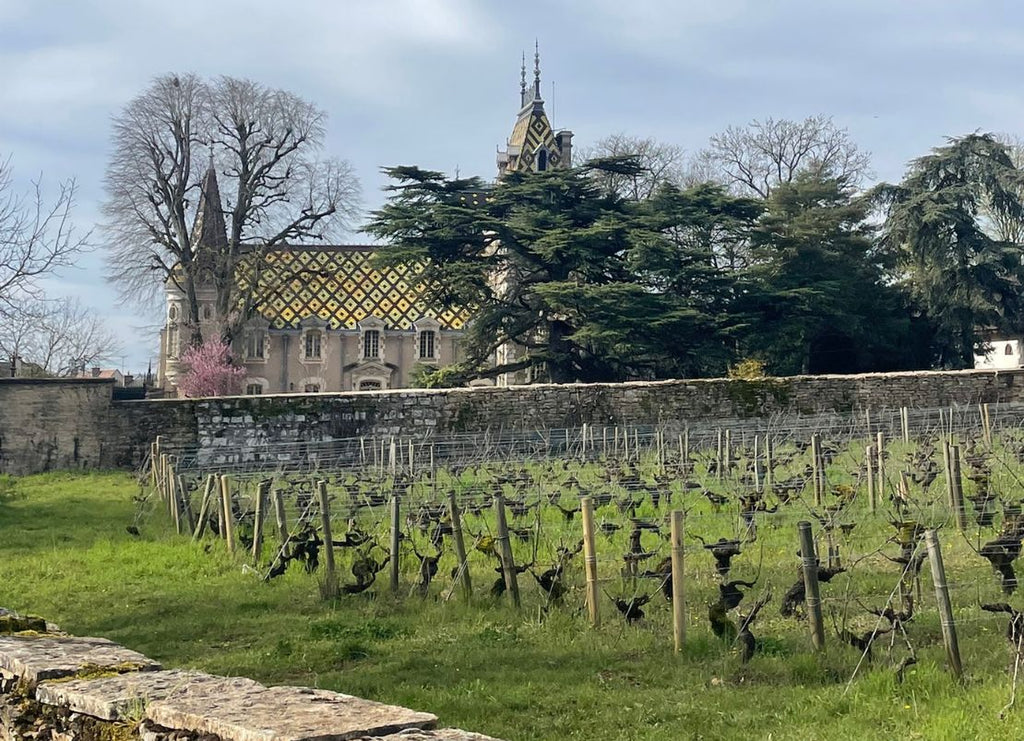
Chablis sits about 180 kilometres north of Beaune, the heart of Burgundy's Côte d'Or, and it feels like a different country. The Côte d'Or is sheltered, warm enough to ripen Pinot Noir reliably across most vintages, its south-facing slopes protecting growers from the worst of the cold. Chablis has no such shelter. The vineyards face north and northeast, spring frosts are a recurring threat, the growing season is shorter, and the Chardonnay that grows here spends a significantly longer time in a cooler environment than it would anywhere further south.
The result is a grape that develops very differently. Rather than accumulating the generous sugars that produce the ripe, tropical, buttery styles associated with warmer Chardonnay regions, the Chablis grape stays lean, high in acidity, and mineral — a wine shaped more by what it doesn't have than by what it does.
Kimmeridgian Limestone: The Soil That Defines Everything
The soil underneath Chablis is not just unusual. It's the specific geological reason the appellation exists where it does and not somewhere else.
The best vineyards sit on Kimmeridgian limestone — a specific type of chalky, fossil-rich rock formed from the shells and remains of ancient oysters that lived in a shallow inland sea covering this part of France roughly 150 million years ago. That fossil history is not winemaking mythology. It's the reason Chablis has a distinctive saline, almost iodine edge that serious tasters can identify even in a blind lineup — a mineral quality that no amount of winemaking technique can replicate in a vineyard with different soil beneath it.
The phrase "it tastes like the sea" is applied to Chablis more often than to almost any other wine, and Kimmeridgian limestone is the direct reason why.
Four Tiers, One Region
Chablis is classified into four quality tiers, each reflecting the position and orientation of the vineyard plot.
Petit Chablis is made from vineyards on the plateau and lower slopes, where the Kimmeridgian limestone gives way to different soil. Good for everyday drinking, less mineral than the wines above it.
Chablis is the appellation's workhorse tier — the vineyards on the proper Kimmeridgian slopes, where the characteristic minerality is fully expressed. This is where most of the appellation's quality-to-price ratio lives.
Chablis Premier Cru comes from 40 named vineyard sites on the best slopes. More complexity, more concentration, more ageing potential.
Chablis Grand Cru is a single hillside above the town of Chablis itself, divided into seven named plots, and represents the appellation's absolute ceiling — wines capable of ageing for decades.
Jean-Marc Brocard: The Biodynamic Case for Terroir
Our Chablis comes from Jean-Marc Brocard, a domaine that has been farming in the appellation for decades and that began converting its vineyards to organic and biodynamic practices in 1997 — at a time when that choice in Chablis was genuinely unusual, in a region where yields are already precarious and the frost risk makes every intervention a calculated risk.
The decision to farm biodynamically in Chablis is a specific statement about terroir. Biodynamic farming prioritises the health of the soil above all else, believing that a living, complex soil microbiome expresses itself directly in the wine. In Kimmeridgian limestone, where the entire argument for Chablis rests on what the soil beneath the vine communicates to the glass, that philosophy is not incidental — it's the point.
Today the domaine is run by Julien Brocard, the next generation of a family that has spent nearly three decades proving that the appellation's most distinctive mineral character is preserved, not diminished, by farming that respects what the ground is trying to say.
The wine in our collection is hand-harvested and aged in stainless steel for six to eight months — a deliberate choice to protect acidity and preserve the signature citrus and stone fruit character without the oak influence that would soften and warm it. On the nose: lemon, green apple, a mineral edge that sits somewhere between chalk and sea air. On the palate: dry, precise, with the kind of persistent acidity that makes it one of the most food-friendly whites we carry.
Why Chablis Pairs Differently From Other White Wines
The acidity and minerality that define Chablis make it a more versatile food wine than most whites. The classic pairing is oysters — logical given the fossil oyster shells in the soil, though the connection is geological coincidence rather than design. Beyond oysters: shellfish of any kind, raw fish, sushi, smoked salmon, light goat cheese, and any seafood dish where a richer, oakier Chardonnay would feel heavy.
The one pairing to avoid: anything sweet or richly sauced. Chablis needs food that respects its dryness rather than competing with it.
Frequently Asked Questions
Is Chablis a Chardonnay? Yes — Chablis is made exclusively from Chardonnay grapes, but the cold climate and Kimmeridgian limestone soil produce a style so different from other Chardonnays that it's often unrecognisable as the same variety.
Why does Chablis taste mineral? The Kimmeridgian limestone soil — formed from fossilised oyster shells 150 million years ago — is the primary reason for Chablis's distinctive saline, chalky mineral character.
Is Chablis oaked? Most Chablis is unoaked or very lightly oaked, particularly at the standard and Premier Cru level. The appellation's identity is built on freshness and minerality, which oak ageing tends to soften.
What is the difference between Petit Chablis, Chablis, Premier Cru, and Grand Cru? The four tiers reflect vineyard position and soil quality. Petit Chablis is made from the plateau; Chablis from the Kimmeridgian slopes; Premier Cru from 40 named sites; Grand Cru from a single hillside above the town, divided into seven plots.
Related post
06
Oct
01
Oct