
Ribera del Duero vs Rioja: Spain's Greatest Wine Rivalry, Settled
They're made from the same grape. They're grown in the same country. They're both aged in oak, both classified by the same system of Joven, Crianza, Reserva, and Gran Reserva. And yet a Ribera del Duero and a Rioja can taste so completely different from each other that someone who loves one might barely recognise the other as coming from the same vine.
The rivalry between these two regions is the longest-running argument in Spanish wine. Here's what it's actually about — and how to decide which one belongs in your glass.
The Same Grape, Two Different Characters
Tempranillo is Spain's flagship red grape, and it's the foundation of both regions. But Tempranillo is not a fixed thing. It responds so dramatically to where it grows that winemakers in each region don't even call it by the same name: in Rioja it's Tempranillo; in Ribera del Duero it's Tinta del País, or sometimes Tinto Fino. The name difference is not just local tradition — it signals a genuine stylistic divergence that begins in the vineyard and finishes in the glass.
Why the Wines Actually Taste Different
Altitude and temperature are where the story starts. Rioja sits between 300 and 700 metres above sea level along the Ebro River, with the Sierra Cantabria mountains to the north providing shelter and a relatively moderate, Mediterranean-influenced climate in its warmer subzones. The result is a region that tends to produce wines with ripe, generous fruit, rounded tannins, and the vanilla warmth that long oak ageing traditionally imparts.
Ribera del Duero is harsher. The vineyards sit on a high plateau at 700 to 900 metres above sea level, where the Duero River runs through one of Spain's most extreme wine-growing environments: temperatures can swing 20°C between day and night during the growing season, winters are brutal, and the altitude compresses the ripening window into a short, intense period. That drama in the vineyard produces a different kind of wine — darker in colour, more concentrated, with tighter tannins and a structure built for ageing rather than early approachability.
The oak philosophy has historically separated the two regions as much as the terroir. Rioja built its reputation on long ageing in American oak, which imparts the signature coconut, vanilla, and dill notes that define the classic style. Ribera del Duero came of age later and more internationally — French oak is standard here, giving wines a tighter grain, more cedar and spice, and less of the sweet vanilla warmth that Rioja is known for.
Rioja: The Classification That Built an Industry
Rioja was Spain's first wine region to receive DOCa status — the highest quality classification in the country — in 1991. That classification brought with it the aging framework that has defined Rioja internationally.
Joven is released young, without oak or with very little. Crianza requires at least 12 months in oak and 12 in bottle. Reserva demands 12 months in oak and two years total ageing. Gran Reserva, the pinnacle, requires 24 months in oak and 36 in bottle — wines built for the cellar.
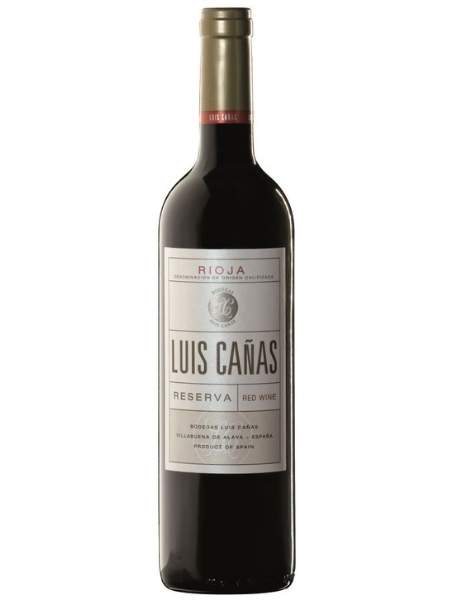
From our own Rioja collection: Muga Crianza is one of the most recognised expressions of the classic style, with 93 Parker points and the kind of ripe red fruit, vanilla, and smooth tannins that made Rioja famous. Luis Cañas Reserva takes that a step further — 95% Tempranillo from 40 to 50-year-old vines, 18 months in French and American oak, a wine that shows why the Reserva tier earns its place. At the top of the range, Señorío San Vicente 2017 is a single-vineyard Rioja from Maturana Tinta — a Rioja-native variety rescued from near extinction and planted nowhere else — earning the kind of scores from Parker and James Suckling that place it among the most serious wines the region produces.
Ribera del Duero: The Challenger Region That Became a Classic
Ribera del Duero only received its own DO in 1982 — remarkably recent for a region that had been making wine since Roman times. Its rise since then has been extraordinary: from a marginal, locally consumed wine to one of the most internationally recognised Spanish appellations in four decades.
The region's reputation was built partly on altitude and concentration, partly on a generation of ambitious winemakers who arrived in the 1980s and 1990s determined to challenge Rioja on its own terms — and ended up making something different enough to deserve its own category entirely.
From our Ribera collection: Pruno 2019 by Finca Villacreces is one of the most internationally sold Spanish reds for good reason — every vintage consistently delivers concentration, dark fruit, and structure at a price that makes it both a discovery and a gateway into the region. Vizcarra Senda del Oro earned 90 Parker points on its own merits: 50 hectares of Tempranillo in the heart of the appellation, a winery that vinifies entirely by gravity. At the furthest end of the range, Finca Cascorrales 2015 represents something more specific: 951 bottles from century-old vines at 900 metres in the historic village of La Aguilera, made by Toni Sarrión — the winemaker behind Bodegas Mustiguillo and one of Spain's most respected voices in premium terroir wine. 91 Parker points. Irreplaceable by definition.
The Practical Guide: Which One Do You Actually Want?
Choose Rioja if: you want approachability alongside complexity, wines that reward early drinking without sacrificing depth, a classic style with the vanilla warmth of American oak, or a bottle that works as well on a Tuesday evening as it does at a dinner table.
Choose Ribera del Duero if: you want concentration and intensity, wines with serious ageing potential, a darker, more structured profile, or a bottle that stands up to roast lamb, slow-cooked meat, or a long winter table.
The real answer: keep both. They aren't competing answers to the same question. They're two different conversations that happen to be conducted in the same language.
Frequently Asked Questions
Is Ribera del Duero better than Rioja? Neither is objectively better — they are stylistically different wines made from the same grape under radically different growing conditions. Rioja tends toward approachability and aromatic warmth; Ribera del Duero toward concentration and structure.
What is the difference between Tempranillo in Rioja and Ribera del Duero? In Rioja, Tempranillo typically produces wines with ripe red fruit, vanilla from American oak ageing, and rounded tannins. In Ribera del Duero (where it's called Tinta del País), altitude and extreme temperature variation produce darker, more concentrated wines with tighter structure.
Which Spanish wine is best for ageing — Rioja or Ribera del Duero? Both age well at the Reserva and Gran Reserva tier, but Ribera del Duero's high-altitude concentration and tighter tannin structure gives it a particular reputation for long-term ageing potential.
What food pairs best with Rioja? Roast lamb, tapas, chorizo, and aged cheeses are the classic Rioja pairings. What food pairs best with Ribera del Duero? Roast suckling pig, slow-cooked lamb, and strong cheeses — foods that match the wine's concentration and structure.
You might also like: [Finca Cascorrales 2015] · [Vizcarra Senda del Oro 2019] · [Luis Cañas Reserva 2016] · [Muga Crianza] · [Señorío San Vicente 2017]
Related post
06
Oct
01
Oct