
Beyond Albariño: Galicia's Native White Wines
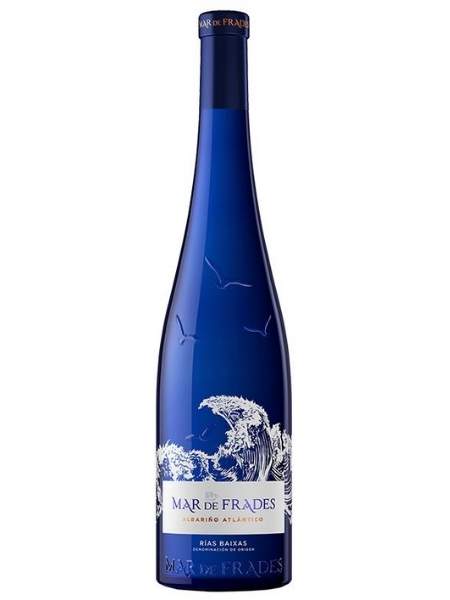
If you have ever drunk a good Albariño — the crisp, saline, stone-fruit white that made Galicia famous — you will know the particular satisfaction of a wine that tastes like the place it comes from. The rias, the Atlantic, the granite, the perpetual drizzle. There is nowhere else in the world that makes a wine quite like it.
But Albariño is not Galicia. It is one variety, from one specific zone of a wine region so vast and so geographically varied that a single grape cannot possibly tell the whole story. Galicia has dozens of native white varieties. Most of them are essentially unknown outside the region. Several of them produce wines of genuine complexity and individuality — wines that taste, in their own way, just as precisely of where they come from.
We carry what we believe is the deepest Galician white wine collection in European ecommerce. Not because we set out to build something encyclopaedic, but because every time we went looking for what was genuinely extraordinary in Galicia, we kept finding bottles that had no business being as interesting as they are, made from grapes most people have never heard of.
This is an introduction to the ones that matter most.
Albariño is not Galicia. It is one variety, from one zone — the door to a room the world has barely entered.
First, understand the land
Galicia sits in the extreme northwest corner of Spain, above Portugal and pressed against the Atlantic. It is not obviously Spanish wine country in the way that Rioja or Ribera del Duero are — the landscape is green and rainy, more Celtic in character than Castilian, shaped by estuaries called rias that carve deep into the coast.
The soils are predominantly granite, which drains well and gives the wines a mineral precision that is almost geological in character. But Galicia is not homogenous. The rias of Rías Baixas, where Albariño reigns, are Atlantic and coastal and maritime. Moving inland to Ribeira Sacra, you find steep slate terraces above river gorges. In Monterrei, near the Portuguese border, the climate turns more continental. In Valdeorras, the soils shift and the temperature swings become more extreme.
Each of these places suits different grapes. And Galicia has been growing different grapes in each of them for centuries.
The varieties you should know
— Godello · Valdeorras · Ribeira Sacra · Bierzo
If Albariño deserves its fame, Godello deserves considerably more than it currently has. This is Galicia's great white grape for wine lovers who want something more complex, more structured, more age-worthy than Albariño's immediate charm.
Godello nearly disappeared entirely in the 1970s and 1980s when it was almost entirely replaced by higher-yielding but less interesting varieties. Its rescue is largely credited to a handful of winemakers in Valdeorras — particularly in the Valdeorras DO — who recognised what was being lost and replanted aggressively. Today it is established enough that it is no longer at risk, but it is still nowhere near the recognition it deserves.
At its best, Godello produces wines of extraordinary depth — rich without being heavy, with stone fruit and mineral precision and the ability to age in bottle for a decade or more. It is the Galician white to open if you want to understand why people get obsessive about this region.
In our collection, Godello appears across several denominations. The Valdeorras expressions are the most classically structured. The Bierzo versions — just across the border into Castilla y León — show a slightly more aromatic character. All of them are worth more attention than they currently receive.
Shop Godello wines from our Godello collection →
— Treixadura · Ribeiro
The Ribeiro DO, just inland from Rías Baixas, is the historical centre of Galician wine — it was producing and exporting wine centuries before Albariño became fashionable. The dominant variety here is Treixadura, a grape with a remarkably aromatic profile: floral, with white peach and a herbal freshness that is entirely its own.
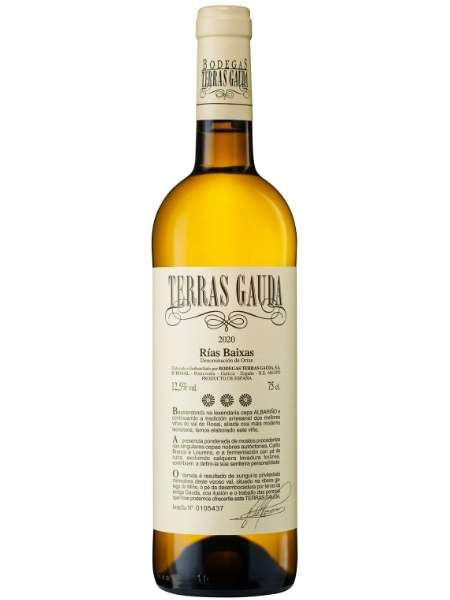
Treixadura is almost always blended in Ribeiro — the local tradition is to combine it with other native varieties (Loureira, Godello, Torrontés Gallego, Caíño Blanco) to make complex, layered whites that show what Galicia can do with its full palette of varieties rather than just one. A good Ribeiro blend is one of the most interesting white wines in Spain and costs a fraction of what comparable complexity would cost from Burgundy or Alsace.
The wines have a texture that is unusual — not exactly creamy, not mineral in the granite sense of Albariño, but something in between. The aromatics are the thing: a good Treixadura-dominant Ribeiro fills the room in a way that is difficult to describe without sounding excessive.
A good Ribeiro blend costs a fraction of what comparable complexity costs from Burgundy. The world has not caught up yet.
— Caíño Blanco · Rías Baixas · Ribeiro
Caíño Blanco is a variety of genuine rarity. It is one of the oldest documented native grapes in Galicia — historical references to it go back centuries — but it was so comprehensively replaced in the 20th century that it essentially vanished from commercial production. Its survival is largely due to the same smallholding culture that preserved so many other Galician varieties: old farmers who never saw any reason to pull up what was growing perfectly well, regardless of what the market wanted.
The wines it produces are unlike anything else in Galicia. Where Albariño gives you citrus and Atlantic salinity, and Godello gives you stone fruit and structure, Caíño Blanco gives you something more austere and mineral — low alcohol (typically around 11-12%), high acidity, with a herbal and almost savoury quality that makes it one of the best food wines in the region. It is extraordinary with anything from the sea: percebes, navajas, the extraordinary shellfish that the rias produce.
It is not a grape for everyone. It asks something of the drinker. But if you are serious about Galicia and serious about native varieties, Caíño Blanco is the discovery that makes the others seem conventional.
— Loureira · Rías Baixas · Ribeiro
Loureira — sometimes called Loureiro when it appears across the border in Portugal's Vinho Verde region — is the most perfumed of Galicia's native whites. The name comes from the laurel plant, and the connection is real: the grape has a distinctive bay leaf and citrus blossom aroma that is unmistakable once you know it.
Like Treixadura, Loureira is most often found as a blending component rather than a single varietal wine. It adds aromatic lift to Ribeiro blends and to certain Rías Baixas wines that use it alongside Albariño. Single varietal examples exist but are rare — and when you find one, the aromatic intensity is remarkable. This is not a subtle wine. It announces itself.
In the Vinho Verde tradition just over the Portuguese border, the equivalent grape — Loureiro — is one of the primary varieties and appears more commonly as a single varietal. The Galician tradition is different but the family resemblance is clear.
Shop Loureiro wines →
— Albariño itself — where to go beyond the obvious
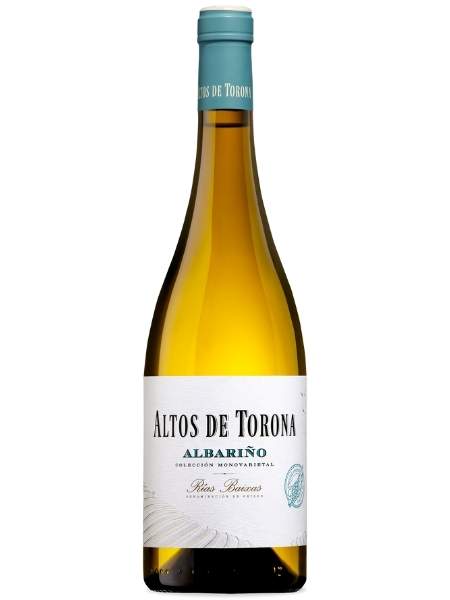
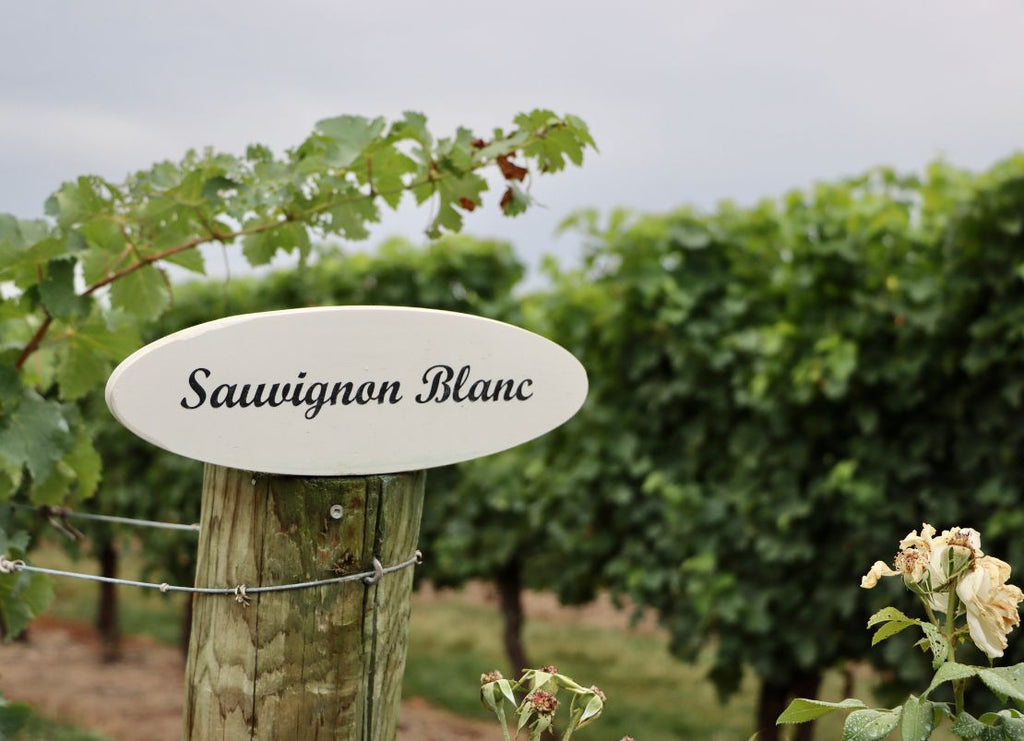
None of this is to dismiss Albariño. It is a great grape, and the best expressions of it — from the rias of O Salnés, from Rías Baixas producers who take the terroir seriously and resist the temptation to over-produce — are among the finest white wines in Spain.
But even within Albariño, there is a world beyond the entry-level, slightly sweet, commercially optimised versions that the variety's success has spawned. Old vine Albariño from granitic soils produces wines of entirely different weight and complexity. Albariño aged in large format old oak develops a textural dimension that surprises people who think they know the variety.
In our collection, we carry Albariño across the range — from the clean, immediate, seafood-perfect versions to wines that ask to be taken more seriously and aged for a few years. The variety is broad enough that you can spend a long time exploring it without ever getting bored.
Why Galicia's whites deserve more attention than they get
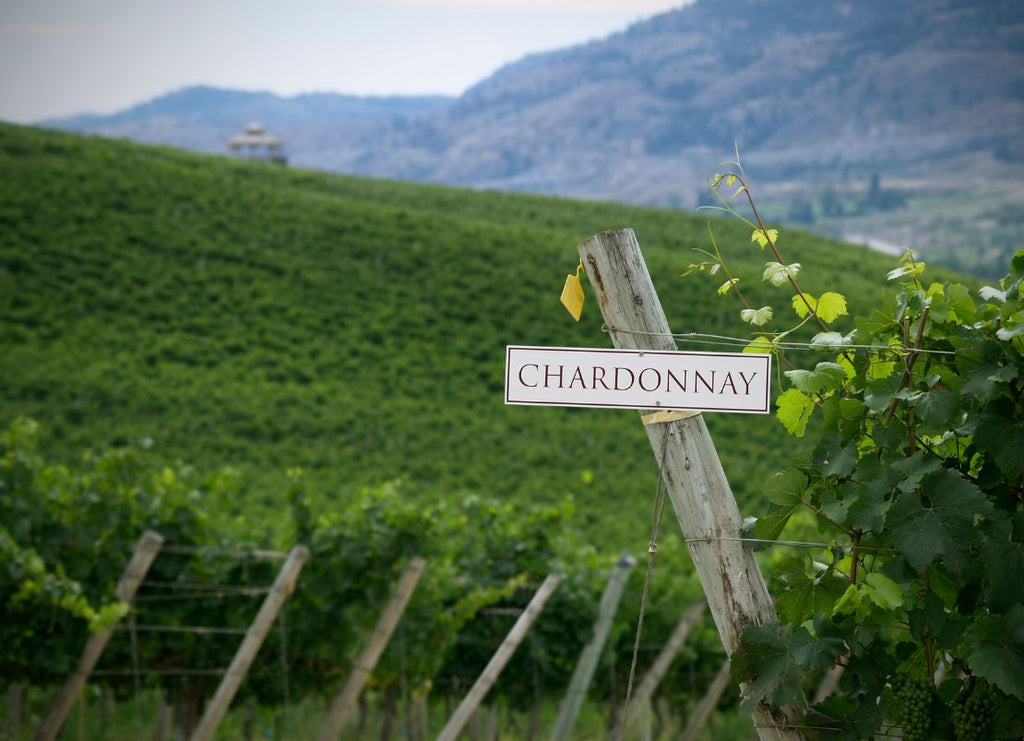
There is a useful comparison to be made here. Burgundy gets enormous attention for its indigenous varieties — Chardonnay and Pinot Noir — because the region spent centuries communicating why those grapes in those soils produce something irreplaceable. Galicia has the same argument to make about its indigenous varieties, but has not yet made it consistently or loudly enough for the international market to fully register.
The wines are there. The argument is there. The geography is extraordinary and well-documented. What has been missing is a coherent editorial voice that treats Galicia's full range of native whites with the seriousness they deserve rather than defaulting to Albariño as a shorthand for the whole region.
We are attempting, with this collection, to be that voice for the part of the market we reach. The wines we carry from Galicia go considerably beyond what you will find in most online wine stores — not because we are trying to be unusual, but because when we looked honestly at what Galicia was producing across its full range of native varieties, we found things that were too extraordinary to leave out.
Galicia has the same argument Burgundy makes about its indigenous varieties. It just hasn't made it loudly enough yet.
What to open, and what to eat
Galician whites are, almost without exception, wines built for food. The high acidity, the mineral precision, the relatively modest alcohol levels — these are not wines designed to be drunk contemplatively on their own (though the best Godello and old-vine Albariño absolutely reward that treatment). They are wines designed to be opened at a table with something from the sea, or from the land, in front of them.
Albariño: percebes, grilled sardines, razor clams, lightly dressed ceviche, oysters. Anything from the Atlantic coast.
Godello: grilled fish, white asparagus, lightly oaked Godello with roast chicken or white-fleshed river fish. The more structured examples hold up to cream-based sauces.
Treixadura / Ribeiro blend: the classic pairing is pulpo á feira — octopus with olive oil and pimentón. Also exceptional with empanadas, salt cod preparations, or any of the Galician cured meats.
Caíño Blanco: this is the wine for a long lunch of percebes, navajas, berberechos — the kind of Galician shellfish feast that the variety was designed to accompany. High acid, low alcohol, extraordinary with shellfish.
Loureira: aromatic enough to hold its own alongside fragrant dishes. Galician-style fish with herbs, or anything with a citrus component.
How to start exploring
If you already know and love Albariño, the natural next step is Godello — it scratches a similar itch for mineral precision and food-friendliness but adds complexity and ageing potential that most Albariño does not have. From there, a Treixadura-dominant Ribeiro blend gives you the blending tradition and the aromatic dimension.
Caíño Blanco is for when you are ready to ask a wine a question rather than just have it answer you immediately. It rewards attention. It rewards the right food. It is not a wine for an absent-minded Tuesday evening. It is a wine for a meal you are taking seriously.
We have put together the collection specifically to allow this kind of progression. Start where you are comfortable, go where the wines lead you. That is what discovery means.
Explore the full Galician Wines collection at disndis.com
Browse by variety: Albariño · Godello · Treixadura · Caíño Blanco · Loureiro
Written by the Dis&Dis editorial team · May 2026 · The Discovery Files
Related reading: The Grapes That Almost Disappeared · Ancient Vines Collection · What Is Godello? Spain's Greatest White Secret
Related post
06
Oct
01
Oct