
Plan de Dieu: The Southern Rhône Wine That Punches Above Its Appellation
Most wine regions name themselves after geography — a river, a hill, a village. The Southern Rhône has one terroir that named itself after something else entirely. Plan de Dieu means God's Plain, and it is either the most confident or the most humble name in French wine, depending on how you read it — either the plain that belongs to God, or the plain so extraordinary that only God could have designed it.
Either way, it has produced a wine worth understanding.
What Is Plan de Dieu
Plan de Dieu is a Côtes du Rhône Villages appellation — a step above the broad regional Côtes du Rhône designation, applying to a specific cluster of villages in the Southern Rhône that have demonstrated a consistent ability to produce wines of higher quality and character than the regional floor requires.
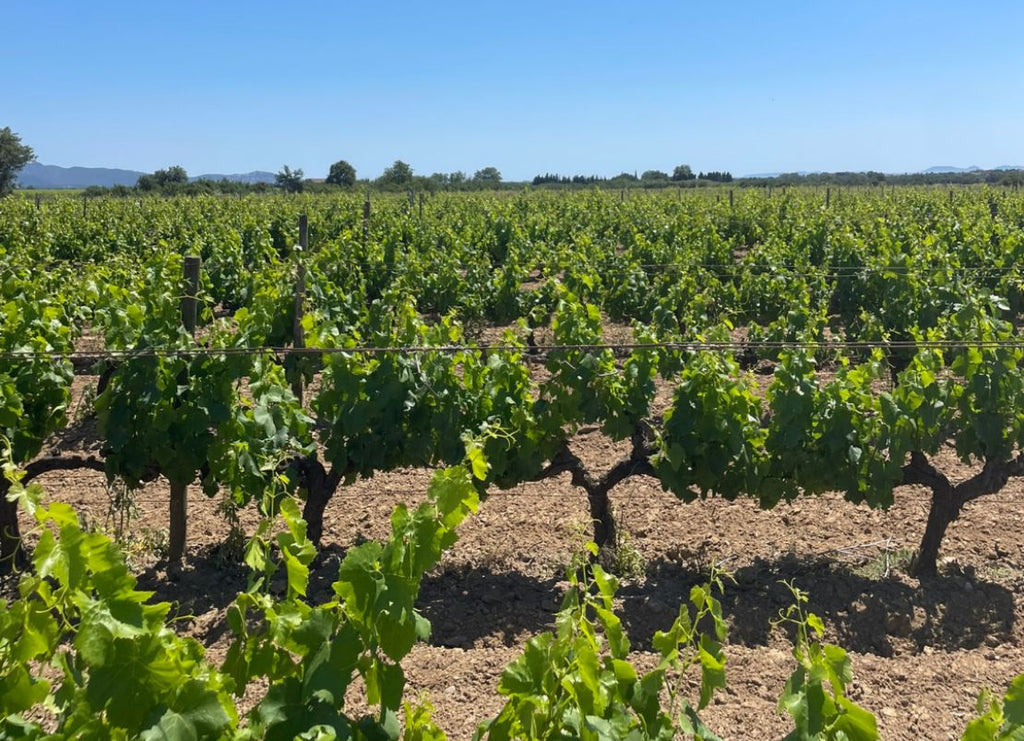
The plateau itself sits northeast of the famous Châteauneuf-du-Pape, a few kilometres removed from the most celebrated and most expensive appellation in the Southern Rhône. The soils are clay and sand — different from the famous galets roulés, the large rounded river stones that cover the Châteauneuf-du-Pape plateau — but sharing the same Mediterranean climate, the same ferocious Provençal sun, and the same Grenache vines that define the entire Southern Rhône's character.
What Plan de Dieu lacks in appellation prestige, it compensates for in terroir honesty: wines from this plateau taste like exactly where they come from, with nothing added to make them seem like something they're not.
Why the Name Exists
The name predates the wine's reputation by centuries. The Plan de Dieu plateau was historically considered both unusually fertile and unusually difficult — a landscape that produced abundantly in good years and punished any inattention in difficult ones. The farmers who worked it over generations apparently concluded that only divine intervention fully explained either outcome.
Whether the name was gratitude or resignation is lost to history. What survived is a word — Dieu — on the label of a wine that, for all its appellation modesty, delivers a warmth and generosity that requires no explanation.
The Grape Behind the Wine
Grenache is the engine of the Southern Rhône, and it is the engine of Plan de Dieu. In this climate, on clay and sand soils, it accumulates sugar with a consistency that produces wines with naturally high alcohol — our bottle reaches 15% ABV, which in a lesser wine would read as heat and imbalance, and which here reads as the Mediterranean expressing itself with complete sincerity.
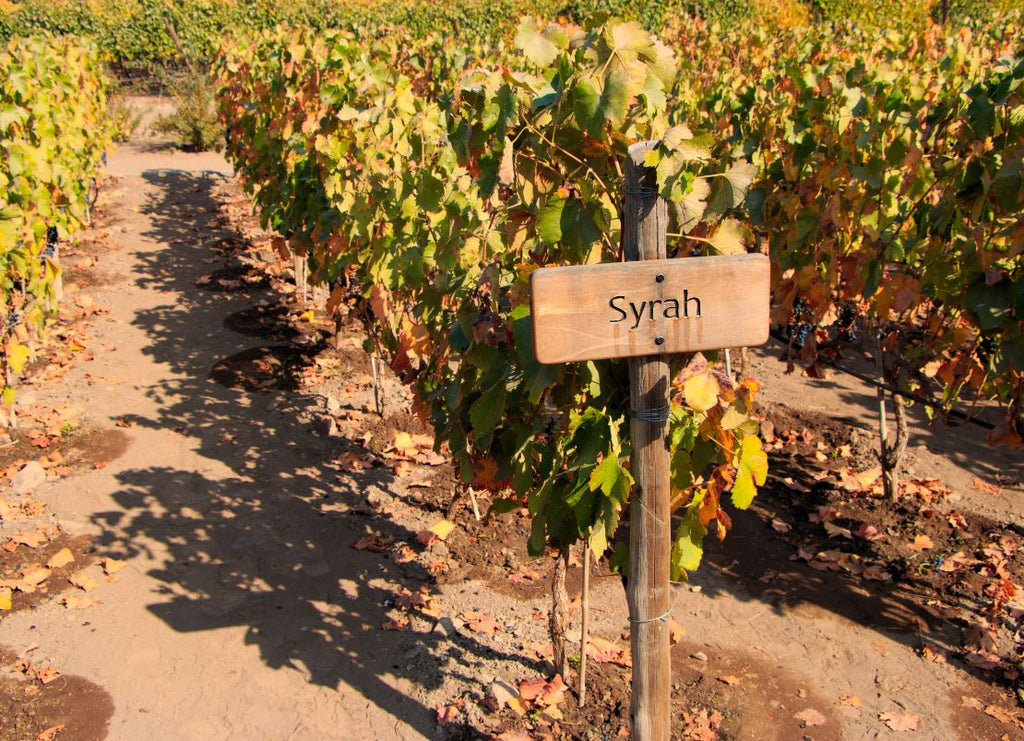
Syrah is the structural partner. Where Grenache is round, generous, and immediate, Syrah provides the dark spice, the backbone, and the depth that keep the wine from simply collapsing into warmth. The two varieties have been blended across the Southern Rhône for generations because they are, between them, a complete argument: Grenache provides the soul, Syrah provides the architecture.
How This Wine Is Made
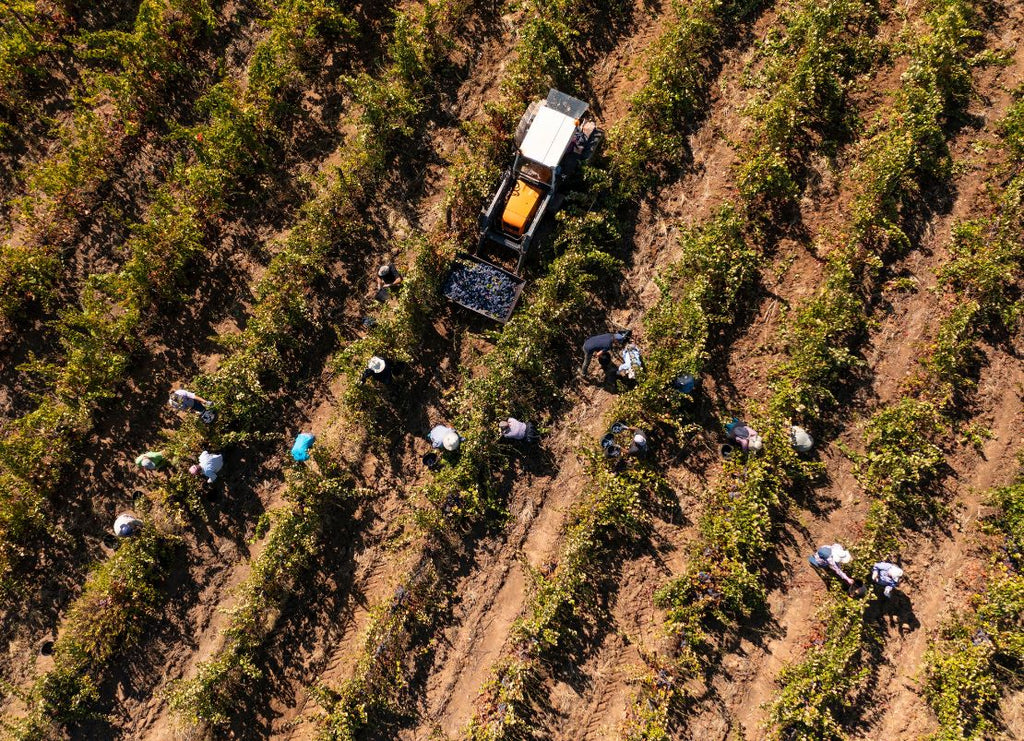
Plan de Dieu Rouge 2020 is harvested at peak ripeness — a deliberate choice that preserves the full concentration of fruit the clay and sand soils build into the grape across the growing season. From there: a slow, low-temperature maceration that extracts colour and flavour gently, without forcing tannins that would harden the wine's natural generosity, followed by temperature-controlled vinification in tank.
No oak. This is a wine that makes its case entirely through fruit and terroir rather than through the vanilla warmth and structural complexity that barrel ageing would add. The choice is significant: oak would have softened the edges and made the wine easier to describe as polished or refined. Without it, what you taste is exactly what the plateau produced. That kind of transparency in winemaking either works or it doesn't — here, it works.
Bernard Magrez and the Rhône
Plan de Dieu Rouge 2020 is made under the Bernard Magrez umbrella — the same winemaker whose name appears across more than forty estates in nine countries, whose commitment to quality at every price point is the thread connecting a portfolio that runs from Grand Cru Classé Bordeaux to accessible Languedoc blends. His Rhône wines follow the same principle as everything else in the range: the standards of serious winemaking applied to terroirs that the wider market hasn't fully noticed yet.
Plan de Dieu is precisely that kind of terroir.
What the Wine Tastes Like
Deep ruby red, warm and intense in the glass. On the nose, immediately generous: black fruit, dark cherry, a hint of garrigue — the wild rosemary and thyme of the Provençal countryside that the vineyards grow alongside and that find their way into the wine whether the winemaker intended it or not. On the palate, full and beautifully balanced, with the round, ripe tannins that Grenache produces in warm years and a finish that lingers with the quiet persistence of a wine that has nothing to prove.
Serve at 16°C — slightly below room temperature — to keep the warmth of the alcohol from dominating the fruit.
What to Eat With It
This is a wine built for the table rather than for contemplation. Red meat is the obvious pairing — the tannins and the fruit both open against lamb, beef, and slow-cooked dishes. The Southern Rhône's own cuisine is the natural reference: daube provençale, herb-roasted lamb, grilled merguez, and anything that carries the rosemary, thyme, and garlic of the Provençal kitchen.
It is also, despite its 15% ABV, a wine that handles spiced food better than most lighter reds — the fruit generosity absorbs heat in a way that a more austere wine cannot.
Plan de Dieu vs Châteauneuf-du-Pape
The comparison is worth making directly because it is the question the appellation implicitly answers every vintage. Châteauneuf-du-Pape and Plan de Dieu share the same climate, the same dominant grape variety, and the same Southern Rhône winemaking philosophy. The differences are in soil, in strict appellation rules governing yield and grape selection, and in the centuries of reputation that Châteauneuf-du-Pape has accumulated and that Plan de Dieu, as a village designation, has not.
What Plan de Dieu offers in return is access — to the same soul, the same warmth, the same Grenache and garrigue character, at a price that makes Tuesday evening a reasonable occasion rather than a special one. For a buyer who has tried Châteauneuf-du-Pape and wants more of that experience at a different frequency, Plan de Dieu is the most honest answer the Southern Rhône provides.
Frequently Asked Questions
What does Plan de Dieu mean? God's Plain — a historic name given to the plateau northeast of Châteauneuf-du-Pape in the Southern Rhône, reflecting the fertility and unpredictability of the land that local farmers experienced over centuries.
What appellation is Plan de Dieu? Côtes du Rhône Villages — a step above the broad regional Côtes du Rhône designation, applying to specific villages that have demonstrated consistently higher quality.
How does Plan de Dieu compare to Châteauneuf-du-Pape? Both share the same dominant grape variety (Grenache), the same Southern Rhône climate, and a similar warm, generous wine style. Châteauneuf-du-Pape has stricter rules, more prestigious soils, and a centuries-long reputation; Plan de Dieu offers comparable character at a more accessible price.
Why is Plan de Dieu 15% ABV? The combination of clay and sand soils, the Southern Rhône's Mediterranean climate, and Grenache's natural tendency to accumulate sugar under consistent sun produces wines with naturally high alcohol. At this quality level, the fruit concentration and balance carry the alcohol without it reading as heat.
Discover Plan de Dieu Rouge 2020 → [https://disndis.com/products/plan-de-dieu-red-wine-2020]
You might also like: [Colombo Les Abeilles 2019] · [Mont-Redon Côtes du Rhône Réserve 2020] · [Domaine Saint Préfert Clos Beatus Ille Organic 2020]
Related post
24
Sep